2025 Mental Filmness Film Festival Coverage Part One
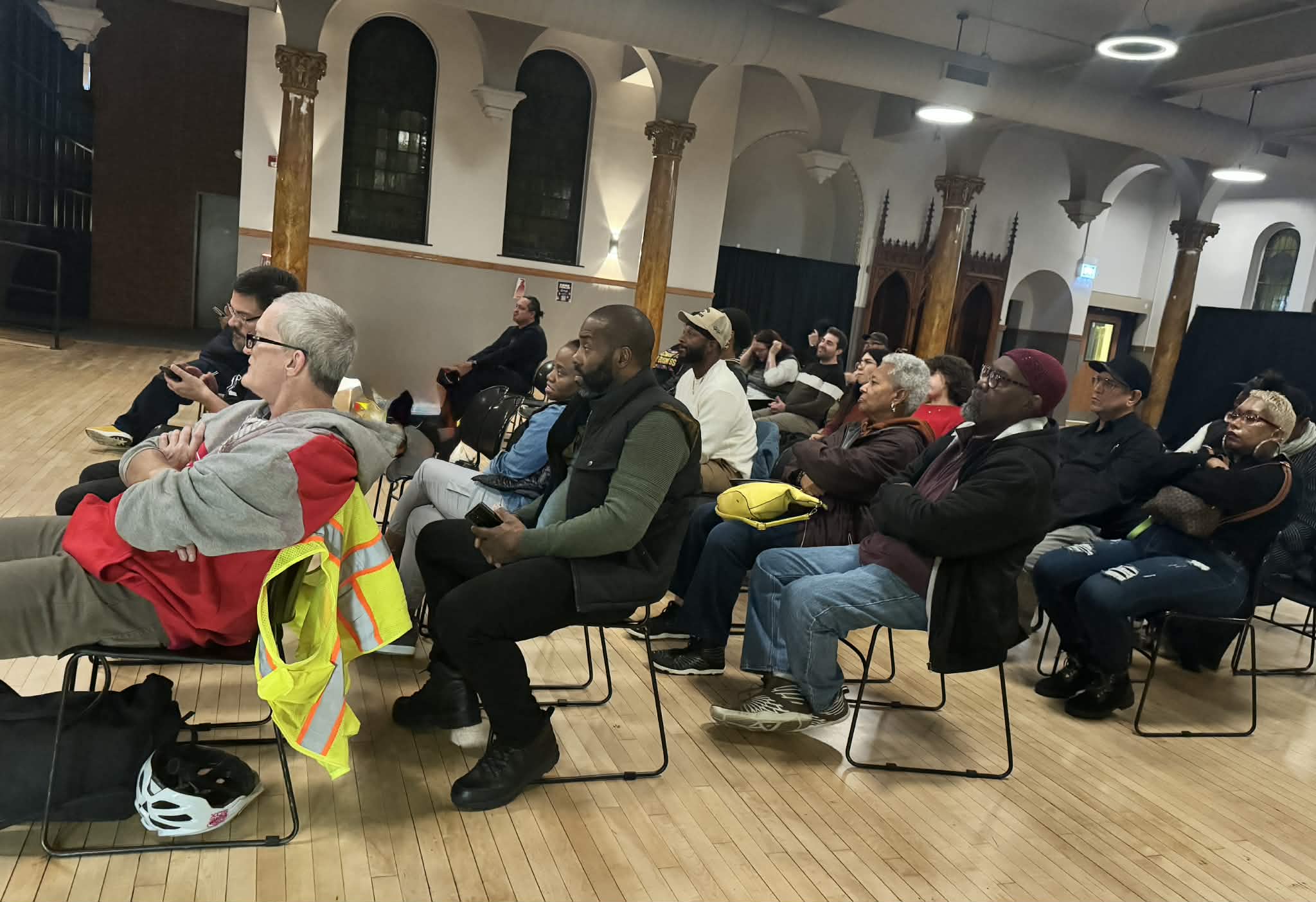
Mental Filmness Film Festival 2025 is now underway. As stated in my last post, the live event is definitely to be commended and celebrated. I’m going to review a few titles playing via streaming that I recommend as well as a couple of others I saw on the big screen there. If you want to watch some of these I’m covering, then best get over here for the next month or so and check out this excellent program: https://watch.eventive.org/mentalfilmness2025
Also be sure to check out this Letterboxd list I put together of some of the titles that have played since the very beginning of the festival too! Now onto reviews!
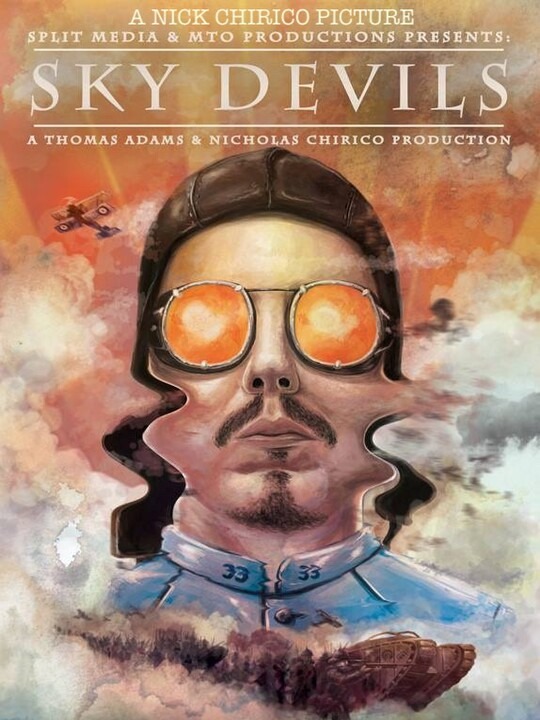
Sky Devils (dir. Nick Chirico)
There are films that comfort us with clarity, and then there are films that confront us with the uncomfortable truth that war—and the trauma it leaves behind—defies comprehension. Nick Chirico’s Sky Devils belongs defiantly in the latter category. This is not a film you watch so much as absorb and take in, and eventually—perhaps over time—begin to understand. It is a war story that also plays as an unsettling mood piece that I found both compelling and baffling.
Sky Devils follows a shell-shocked fighter ace haunted by paranoid visions that a World War is coming. These aren’t mere nightmares—they’re prophecies wrapped in trauma, visions that drive him to contemplate the possibility that humanity is doomed to repeat cycles of violence, trapped like a clock that keeps ticking no matter how many times we try to destroy it?
This is ambitious material, and Chirico—a wide-eyed and wildly sincere artist whose work contains peculiarity and sincerity sometimes within the same frame—doesn’t shy away from the philosophical and psychological weight of these questions. Instead, he leans into them with a go-for-broke approach that throws narrative cohesion to the wind in favor of something more visceral, more truthful to the fractured psyche of a man destroyed by war and anxiety.
At one point, a character decries to another, “you’re not real,” before cutting to actual footage of planes flying, engaged in battle. This juxtaposition—between the surreal internal landscape of trauma and the documentary reality of aerial combat—creates a disorienting effect that mirrors the protagonist’s fractured mental state. This is an experience created in the vein of being unable to comprehend global conflict, something that still holds true and resonates today.
The urgency of the work recalls Kevin MacDonald mixed with a Guy Maddin approach to its presentation (think The Forbidden Room only without the silent film elements). It ponders the difference between the truth absorbed up close and the horrors of war and paranoia, which is viewed from a distance. It’s an arresting, nightmarish experience—rude and abrasive though not irrational, since being engaged in battle creates a myriad of uncertainty in different ways.
One of the film’s most powerful recurring motifs involves clocks - winding, unwinding. We see images of clocks being stabbed, murdered, beaten to a pulp. “Burn and murder all of the clocks!” the film seems to scream. But in the end, the clock keeps going, ticking, leading to more conflict—whether via a war on a global scale or internally within the individual human spirit.
The protagonist’s attempt to change history, to prevent World War II before it happens, is ultimately a futile gesture against time itself. We are all trapped in its forward march, unable to escape the cycles of violence and trauma that define human existence. Ultimately, Sky Devils leaves us with the haunting suggestion that perhaps fate is inevitable, that perhaps we are doomed to repeat our mistakes no matter how clearly we see them coming.
Sky Devils is not an easy film. It’s deliberately messy, experimental, and challenging. It’s not something you can parse or process in one digestible meal. The narrative convention that most audiences expect from their cinema is largely absent here, sacrificed in favor of emotional truth and surrealist imagery. This is a visual mishmash that demands patience, attention, and a willingness to sit with discomfort. At the same time, the climax of the film is something to behold - those planes are real, and the aerial footage is incredibly well-executed.
Conflict is not easy to digest - for either the individual or the world at large. Trauma is not neat and tidy. PTSD doesn’t follow a three-act structure. By refusing to make this film accessible in conventional ways, Chirico forces us to experience something closer to the actual psychological reality of his protagonist—the confusion, the paranoia, the inability to distinguish between what’s real and what’s imagined. It’s a challenging work of art and one that you won’t soon be able to shake once the closing credits commence.
Tales of Harsh Gruder (dirs. J. Paul Preseault, John Otterbacher)
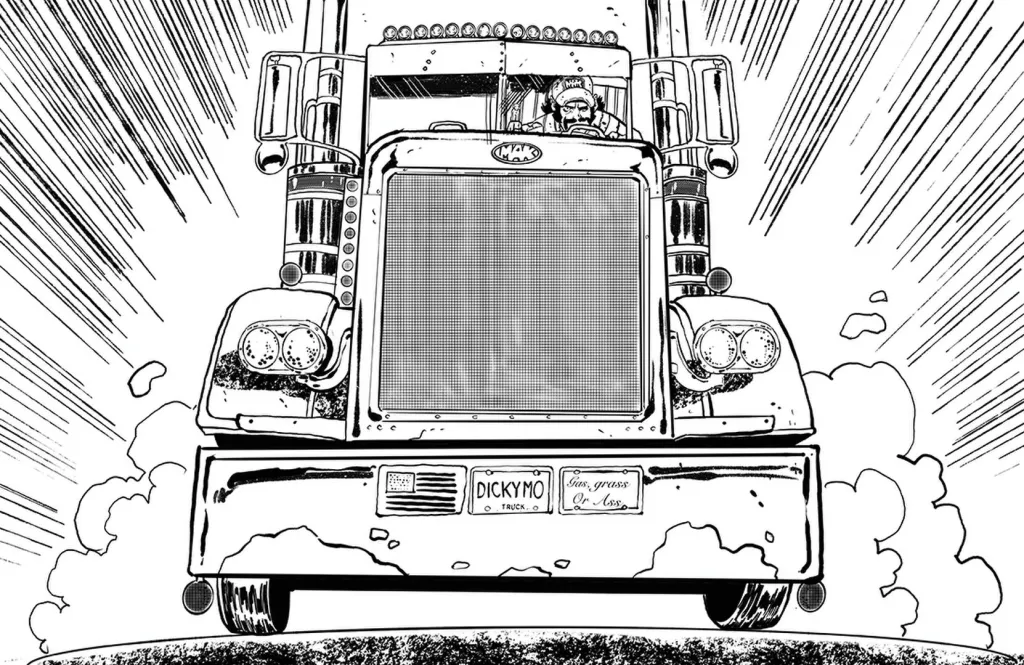
A devastating bromance disguised as a night of psychedelic absurdity, Tales of Harsh Gruder is a stunning short film that sneaks up on you with its emotional wallop. Directors J Paul Preseault and John Otterbacher have crafted something rare: a film that manages to be simultaneously funny, visually inventive, and deeply moving in its exploration of friendship, addiction, and mental health.
The premise is deceptively simple: an old friend drops by unexpectedly, interrupting what turns out to be a very “dark moment,” and the two spend the night rehashing old stories while making new memories. What unfolds is a celebration of Gen-X friendship, complete with kitchen dancing to punk rock (shoutout to Fugazi), pre-dawn walks, and the kind of deep conversations about nothing and everything that only lifelong friends can have. The duo co-write tales of their fictional character Harsh Gruder, brought to life through striking animated sequences by renowned comic book artist Tim Seeley.
This is a film born from personal loss—a tribute to Preseault’s friend Rob, who took his own life in 2017. The breadcrumbs are there throughout, subtle contrasts in character behavior and contemplative moments that lead to a conclusive twist that brings home the devastating reality and the emptiness it leaves behind in those who struggle to cope with the loss of someone close. Despite my quibble of there being one too many cutaways to dancing, it doesn’t take away from what is otherwise a really powerful experience especially once the film practically becomes completely silent in the final act.
Shot beautifully by veteran Chicago DP Christopher Rejano and featuring a superb performance by Bobby Rafferty, Tales of Harsh Gruder is the kind of film that demands to be seen. It’s a work that can’t be understood purely intellectually—it must be experienced with an open heart. It will leave you thinking about the friends in your own life and the ways they might be struggling invisibly, reminding us to cherish every second we share with those we love.
Stay (blijf) (dir. Nick Ceulemans)
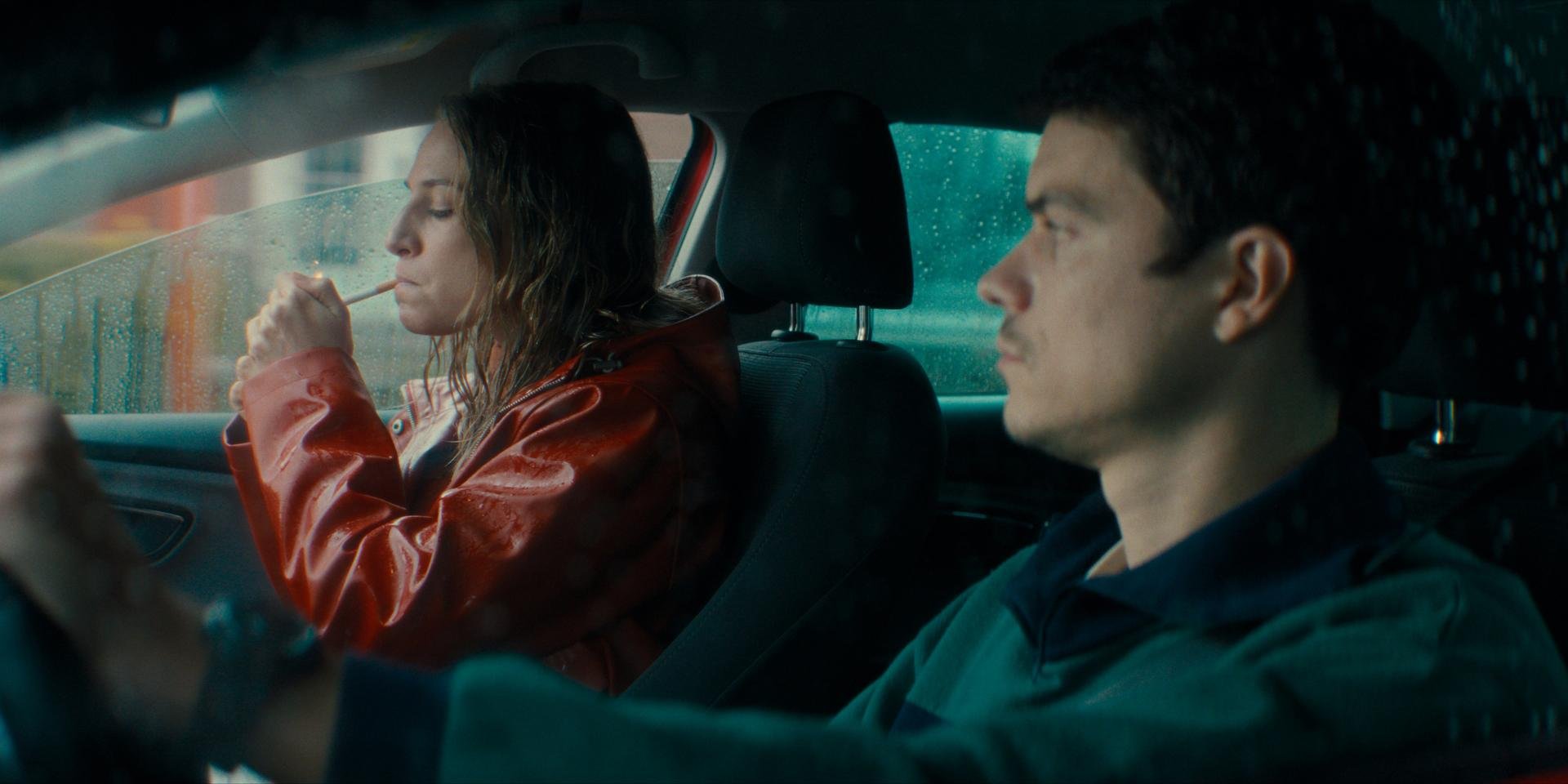
Nick Ceulemans’ poignant 14-minute drama Stay (blijf) is a raw, intimate portrait of love tested by mental instability that’s available to view virtually right now. The film follows a fragile young man (Vincent Van Sande) as he fights both alongside and against his partner (Tine Roggeman), who is struggling with an undefined psychological condition.
Ceulemans’ previous work, the one-minute short Quarantine Lover, won second place in Raindance Festival’s 2021 lockdown competition, but Stay represents a significant leap forward in both scope and emotional depth. The film explores how mental health issues don’t just affect the person experiencing them—they reverberate through every interpersonal interaction, especially among those who struggle to communicate truth, forcing partners to navigate the treacherous terrain between compassionate support and a need for self-preservation.
The performances by Roggeman and Van Sande are remarkably naturalistic, capturing the exhaustion and frustration that accompany long-term caregiving and fear of the unknown. Ceulemans avoids melodrama, instead presenting moments of tension and tenderness with equal weight. The result is a film that feels authentic—any couple who has struggled with illness, whether mental or physical, will find uncomfortable familiarity in these characters’ journey. What emerges is a deeply human story about the impossible choices we face when someone we love is suffering before our very eyes.
Stay serves an important function beyond its artistic merits. Through skilled practice and awareness of our emotional and bodily states, we can improve our understanding of ourselves and others—a message this film embodies in its very structure. This is a short, sweet showcase of Ceulemans’ ability to translate difficult emotional terrain into a compelling relationship drama, and a reminder that sometimes the hardest part of love is knowing when to stay and when to let go even when it’s difficult to know what is best when dealing with a crisis.
Final Fight: When the Trauma of War Comes Home (dir. Frances Causey)
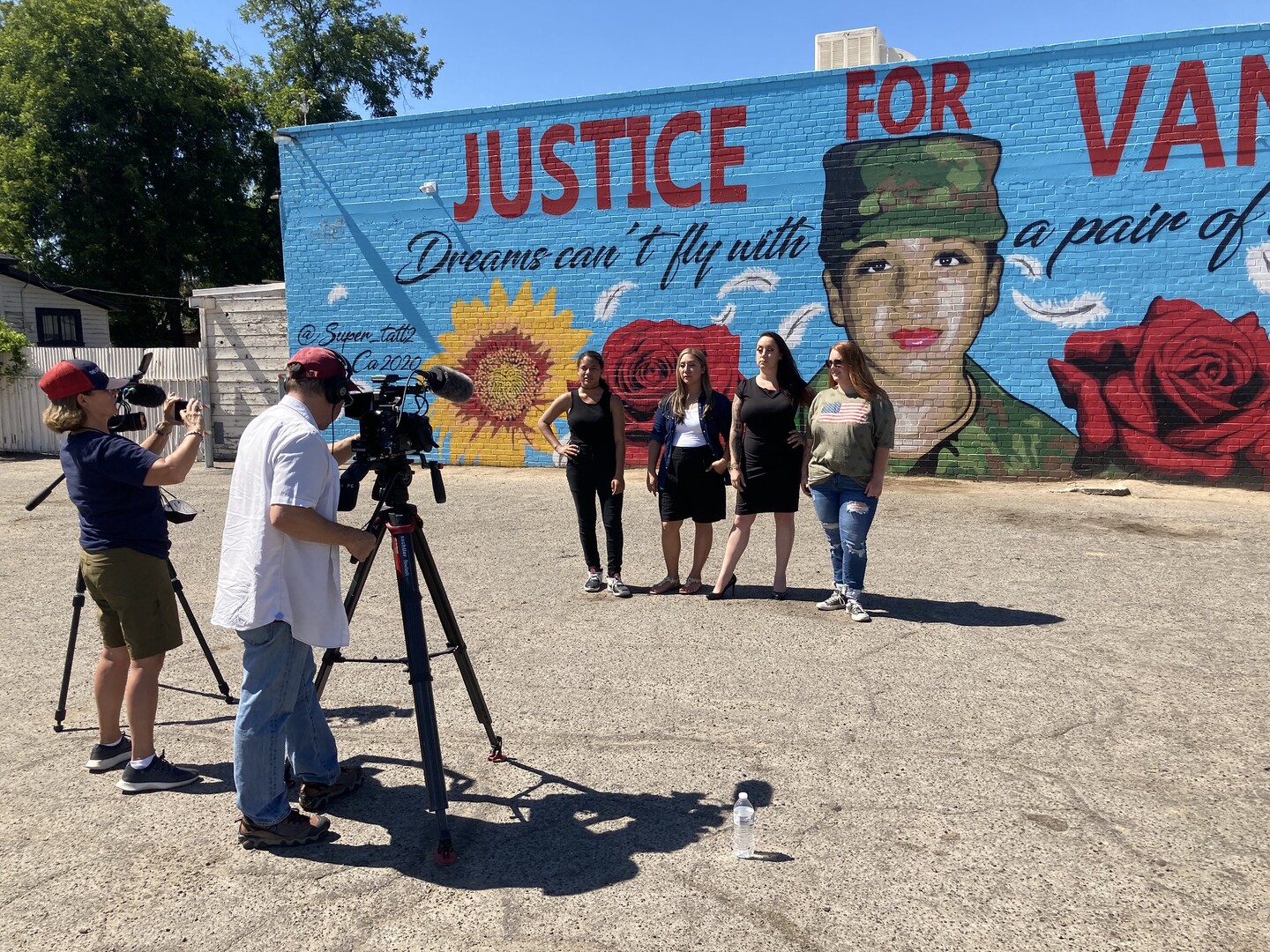
Emmy winner Frances Causey delivers an exceptionally crafted, vital documentary that confronts a staggering reality: over the last 20 years, the United States has lost almost five times as many active service members and veterans to suicide than have been lost in all Global War on Terrorism operations.
Final Fight goes deeper than any narrative of this kind to date in exploring the root causes of this tragic epidemic, recalling the work of Amy Berg when it comes to bringing to light an important, but harrowing subject surrounding abuse that goes unchecked. Simply due to the fact that the powers that be wanting to bury any instance of it for fear of blemishing their reputation.
Causey profiles a diverse group of veterans struggling with military sexual assault-related PTSD, revealing not only their personal journeys through trauma but also the systemic failures that have allowed this crisis to flourish. The film strikes a perfect balance between compassion, understanding, and a compelling call to action, never diminishing the courage and unabashed humanity of its subjects. Leading experts in brain science and PTS therapy offer both clear explanations of the physiology and psychology behind trauma, as well as hope and practical solutions for struggling veterans and the families who love them.
Though it’s mainly filtered through talking head interviews and firsthand accounts through a traditional style and structure, this is still a potent, powerful experience that sheds more awareness. These voices deserve to be heard here.
Final Fight is particularly powerful is its ability to speak effectively to two distinct audiences: military veterans, who will feel seen and recognized, while civilians will finally begin to understand what the military people in their communities go through when they experience trauma in service and struggle to reintegrate into society. Tightly crafted, emotionally vulnerable and powerful in every way, this is a brutally honest look, highlighting an important topic that needs to be talked about far more than it has been in the past.
Dried Flowers (dir. Foustene Fortenbach)
There are many titles that resonate me throughout this festival, but ones involving loss always take precedence. The impeccable Dried Flowers is a heartbreaking short film that transforms personal tragedy into a therapeutic form of expression. Director Foustene Fortenbach draws from her own experience of losing her college roommate, Jocelyn, to suicide in 2014, crafting a deeply raw, empathic story about grief, guilt, and the long road to healing.
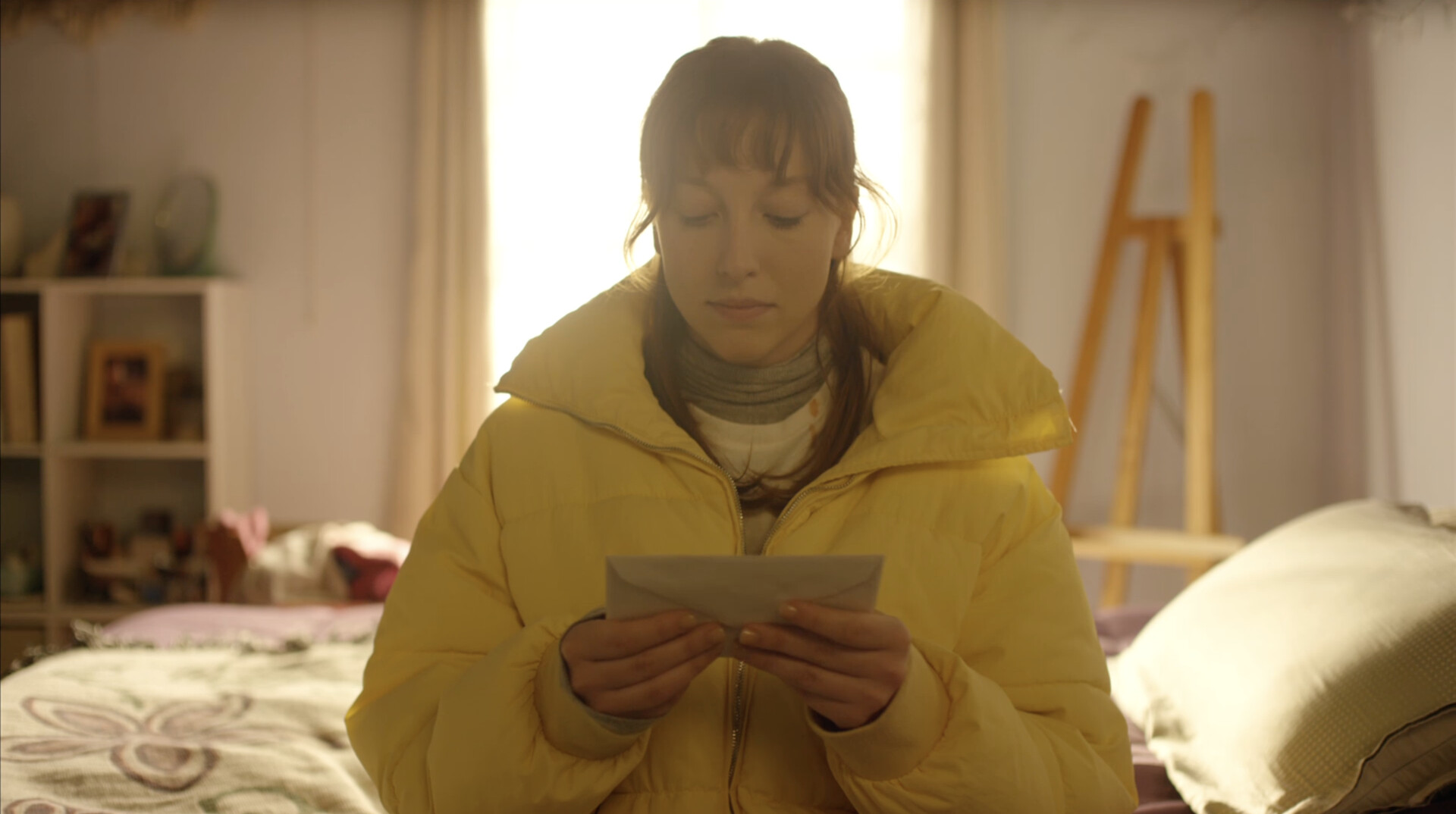
Laney, a young woman who has spent two years avoiding a crucial conversation with her late roommate Kat’s mother, Meredith. Haunted by the fear that she may have been responsible for Kat’s death, Laney finally travels to collect a letter Kat left behind—a journey that becomes both reckoning and release.
What makes Dried Flowers so affecting is Fortenbach’s delicate balance of tones. She brings moments of dark comedy and absurdity to an otherwise devastating subject, making the film more approachable without diminishing its emotional weight. The opening nightmare sequence—featuring a darkly comedic campus death tour—sets this tone perfectly, while quieter moments allow space for genuine reflection on loss and processing everything that’s occurred.
Fortenbach waited eight years to tell this story, and that patience shows in every frame. This isn’t exploitation of tragedy; it’s the final conversation she never got to have with her friend. The culmination - something any one can relate to - looking at old photos and a note of affirmation left inside of a greeting card. It’s a beautiful resolution and like a lot of films exploring what happens when we lose someone, it hits home without being maudlin or obvious in the way its executed.
By sharing her experience, this filmmaker destigmatizes discussions around suicide, suicidal ideation, and the grieving process—creating the film she wishes had existed when she needed it most. Now others can find it when they need it too. Dried Flowers is a testament to cinema as catharsis, both for those who make it and those who want to experience a story like this.
More reviews to come including Forever Dying which I also highly recommend!