The Year In Film: 2025 So Far

Prelude: It’s been a rather interesting first half of 2025. A year of high highs, low lows; a roller coaster that is both pleasurable and scary. I know that metaphor has become a cliche but it’s apt. At times, I felt like things were getting better and that I could handle everything, there’s always a sharp turn to navigate. And you have to react accordingly and ensure you scream at the appropriate volume.
We all have people in our lives that make things complicated or challenging and I realized that one that’s been closest to me really has affected things to the point of wanting to shut down. But the right response: accept you can’t change said person while focus on ensuring that you don’t follow the same path so you don’t end up getting as lost.
With all that being said, I haven’t been watching as many new films as I normally would. There are good reasons for this, soon to be revealed. Yet, let’s face it, I have a hard time investing my energies into new releases due to the fact that I can’t muster up much interest in comic book stories, reboots or sequels. So the titles you see below are definitely under the radar. One in particular, has yet to get a proper release and strangely enough, it’s my favorite so far mostly for personal reasons and a couple of the stories relayed into this experimental documentary.
The podcast: I will say Director’s Club will be changing its podcast format again - there’s a spin-off music-centric version of the show coming in the early fall called B-Side Me in which my fiancée Sharon and I will discuss one particular artist (the way we would with a filmmaker) and reveal a well-known song that we like (the A-side) and then one of that same artists’ lesser-known songs (the B-side). Of course, there will be general opinions about the band/artist throughout too.
Director’s Club will still have director-centric movie episodes but will follow a similar structure. The guest/co-host will present a film from their work that they think most people know about and would generate great discussion (the A-side), then a lesser known title that the guest thinks you should seek out (the B-side).
The show originally started out focusing on two films anyway, which due to my schedule and needs, is how it’s going to be once again. There’s no restriction on the guest talking about other titles from a director’s filmography but they just can’t be the main focus of the show. Obviously, when you discuss a director like David Lynch, all of his work comes up in context when talking about one title.
Perhaps it’s all coming full circle with that approach to the show. Even when talking about film and music, there’s no limit on how the conversation will evolve, so it’s not like there are restrictions to where we can’t discuss other work within talking about a specific favorite/choice for the show.
I don’t recommend going back to listening to older episodes of Director’s Club a dozen years ago, but there was something fun about the John Landis discussion when we chose to talk about a film that works with An American Werewolf in London and a film that we hoped would be a quality B-side of sorts with Innocent Blood. A lot can still come up in the midst of reviewing two films or two songs.
The next episode will be another tradition only this time, we have some make-up homework to do for July. Dan and I accidentally skipped over one “music year in review” episode with the year 1999, so I’ve asked him and Jay to return for the music year in review conversation and we’ll reveal our ten favorite records of 1999. I’ll also be sure to create a full archive here of those music years in review too. Without further ado, let’s get to the subject at hand: my favorites of the year so far, along with a review of what I think is at the top of my list. Movies will be featured in this post, music of 2025 will come up with the next podcast episode.
Passengers (2025) (dir. Thomas Mazziott)
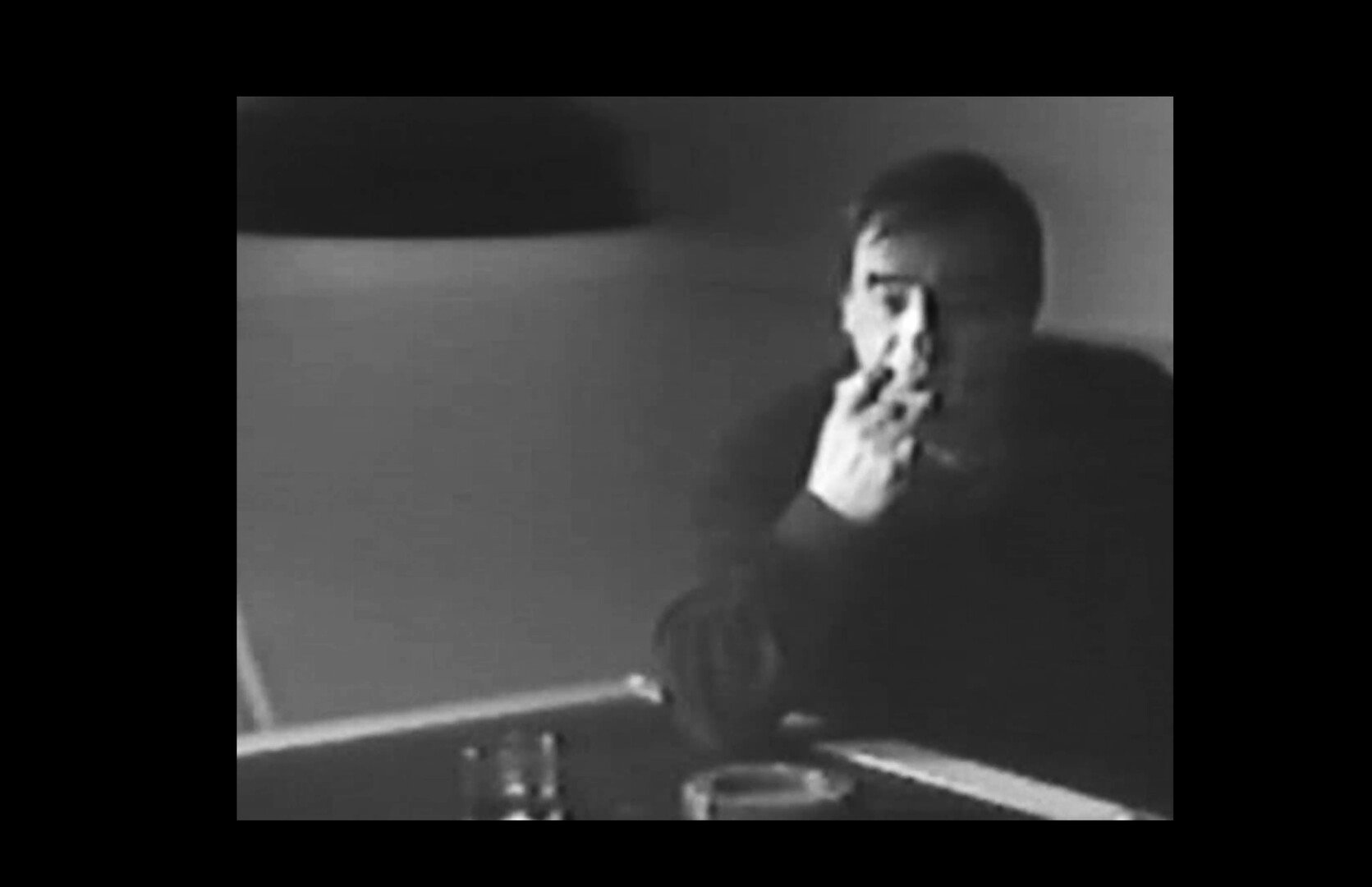
At a time when authenticity feels manufactured and every moment is curated for digital consumption, Thomas Mazziotti's The Passengers arrives as something rare: a documentary that captures unfiltered human truth without artifice. This experimental film, assembled from interviews conducted in 1992 and sealed away for over three decades, offers viewers something far more valuable than nostalgia—it provides a mirror to examine how little we've changed as a society.
What we watch unfold are edited segments of locked away footage from the 1990s featuring raw, emotional confessions from a group of disillusioned New Yorkers. As the world faces new challenges, their voices feel more relevant than ever and a couple of these interviews really hit home for me within recent challenges and even ones involving the aforementioned toxic person in my life.
In 1992, Mazziotti placed an advertisement in The Village Voice asking New Yorkers to share their stories of love, life, and happiness. The timing was significant: John Gotti had just been convicted of murder, Arthur Ashe had publicly revealed his AIDS diagnosis, the Rodney King riots had torn through Los Angeles, and Johnny Carson was preparing for his final Tonight Show appearance. It was a moment of cultural upheaval, a nation grappling with questions of justice, mortality, and identity that feel as familiar as today.
What emerged from those interviews was footage so raw and immediate that Mazziotti made the extraordinary decision to lock it away in a time capsule, only to be opened decades later. The result, edited by Jerome Heaven and finally released in 2025, is a 71-minute meditation on the human condition that feels both deeply rooted in its specific historical moment and timeless.
The film's power lies in its restraint. There is no narrator guiding us through the material, no talking heads providing context, no archival footage to remind us of the era's major events. Instead, Mazziotti and Heaven allow their subjects to speak directly to the camera—and by extension, to us—in long, unbroken takes that feel more like intimate conversations than formal interviews. The grainy 16mm and VHS footage, shot in stark black and white with shadowy lighting that often obscures faces, creates an atmosphere of confession and vulnerability that draws viewers into each speaker's private world.
Christopher Todd emerges as one of the film's most compelling figures, a young man wrestling with what he describes as his light and dark sides. Initially appearing somewhat unhinged, Todd's charismatic presence and philosophical bent make his slow-burn character arc one of the documentary's most rewarding elements. His discussions of manipulation, self-awareness, and the pleasure of provocation reveal a complex individual grappling with questions of identity and morality that feel remarkably contemporary.
The film's roster includes a Holocaust survivor sharing wisdom about resilience, a gay man grieving friends lost to AIDS, a woman confronting workplace sexism, and an Italian man breaking down over his father's emotional absence. Each story is deeply personal yet undeniably universal, creating a tapestry of human experience that transcends its specific historical moment. These aren't performances or carefully crafted narratives—they're genuine revelations from people who never expected their words to become historical artifacts.
The Passengers embraces its imperfections in ways that enhance rather than distract from its emotional impact. The grainy textures and occasional flickers give the footage a tactile quality, like discovering an old handwritten letter that has been weathered by time. The decision to present everything in black and white strips away distractions and pulls viewers closer to the subjects, creating an intimacy that color footage might have diluted.
The sparse piano score, rather than manipulating emotion, serves to accent and underscore the natural rhythms of conversation. At times the music feels uneasy, mirroring the tension in a speaker's words. Other moments find it softening the atmosphere, inviting introspection rather than demanding it. It’s jarring and unexpected at times, but if you can acclimate to it, you’ll be rewarded.
What makes The Passengers particularly powerful is how it functions as both historical document and contemporary mirror. The issues these New Yorkers discuss—systemic injustice, police corruption, the ongoing persecution of marginalized communities, struggles with connection and authenticity—remain painfully relevant today. That interviews conducted thirty years ago still feel urgent and immediate speaks to both the persistence of certain social problems and the timeless nature of human struggle.
The documentary's title, explained within the film itself through one particularly thoughtful interview, speaks to the transient nature of urban life—we're all passengers on this journey, carrying our stories with us whether anyone asks to hear them or not. This metaphor gains additional weight when considered alongside the film's own journey from 1992 to 2025, itself traveling through time to reach an audience that could never have been imagined when it was first shot.
From a technical standpoint, the decision to preserve the original footage's imperfections proves inspired. The low-resolution imagery, grainy textures, and occasionally poor audio quality don't detract from the viewing experience—they enhance it. These technical limitations force viewers to lean in, to pay closer attention, to work slightly harder to connect with the subjects. This effort creates a more intimate viewing experience than pristine digital footage might have provided. At times I even thought of the aesthetical choice behind the film Nadja which was shot on the lowest-grain, low-quality video imaginable back in the 90s.
The Passengers is not without its challenges. The experimental nature of the project means it won't appeal to viewers seeking traditional documentary storytelling and it might come off as repetitive for those not on board this ride. The lack of context or explanation for the historical moment being captured might frustrate some audiences who haven’t resesarched the setting.
The documentary also raises questions about consent and the ethics of time-capsule filmmaking. These subjects agreed to be interviewed in 1992, but they couldn't have anticipated that their words would be preserved and presented to audiences thirty years later. While there's no indication that any subject would object to their inclusion, the temporal distance between filming and release creates an interesting ethical dimension that it’s addressed.
Despite that, the straighforward approach and the unususal score peppered throughout, it still showcases the art of active listening, serving as a reminder that every person we pass on the street carries a complex inner life filled with stories, struggles, and dreams that we'll never fully know. These interviews remind us of the power of simply acknowledging one another, of creating a space for authentic expression, of recognizing the extraordinary within the ordinary.
The Passengers stands as one of the year's most important works of art, not because it breaks new ground in filmmaking technique but because it does something far more valuable: it reminds us of our shared humanity. In a time when division and disconnection seem to dominate public discourse, Mazziotti's time capsule offers evidence that people have always struggled with similar questions, faced similar challenges, and sought similar connections.
As the final interview fades and the subway steers towards darkness, The Passengers leaves viewers with a profound sense of both longing for connection and the hope we feel once we do, making it my favorite film of the year so far. There’s a geniune feeling of melancholy for the passage of time and the stories we'll never hear and aspirations for the possibility of genuine connection in an increasingly disconnected world.
The Passengers is for anyone interested in experimental filmmaking, New York City history, or simply the enduring power of interpersonal storytelling. It reminds us that sometimes the most profound truths emerge not from grand gestures or dramatic events, but from quiet moments of honest conversation between strangers. In preserving these voices from the past, Mazziotti and Heaven have created something timeless—a reminder that we are all passengers on this journey, and our stories matter more than we might realize.
Other Films I’ve Loved This Year So Far:
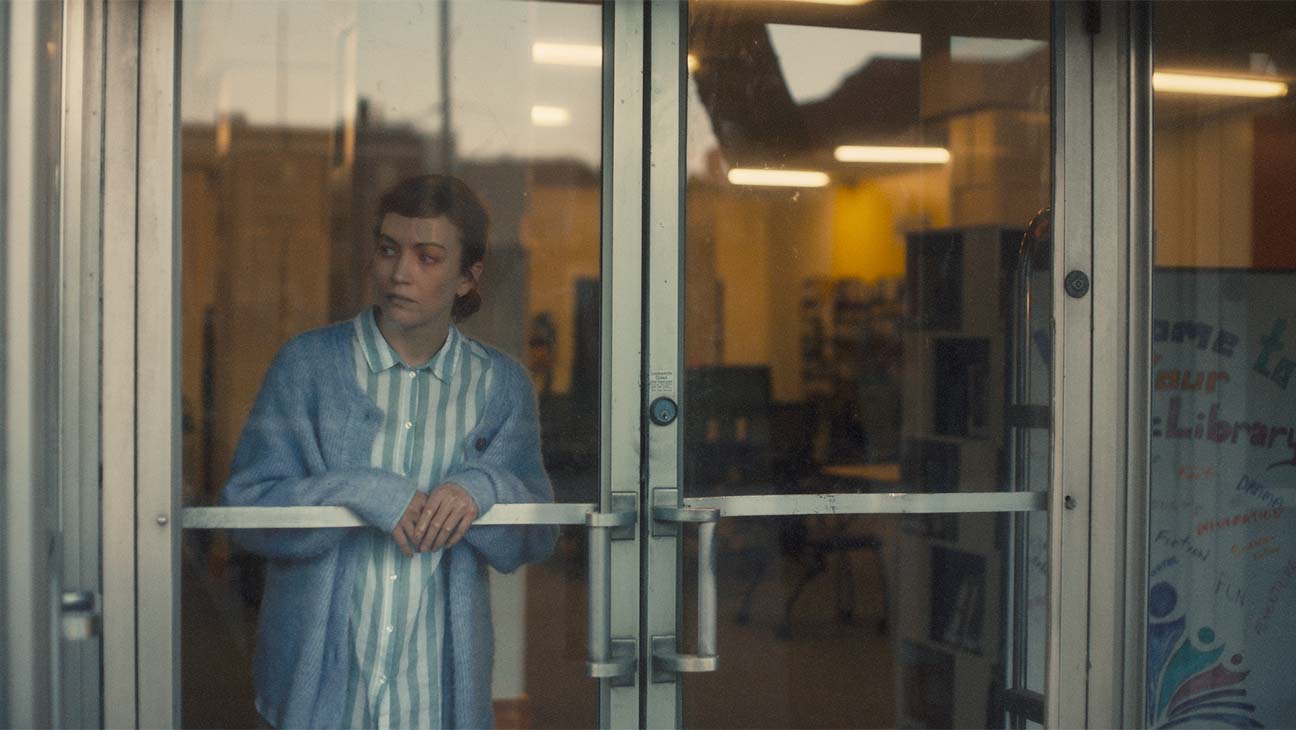
Darkest Miriam (2025) (dir. Naomi Jaye)
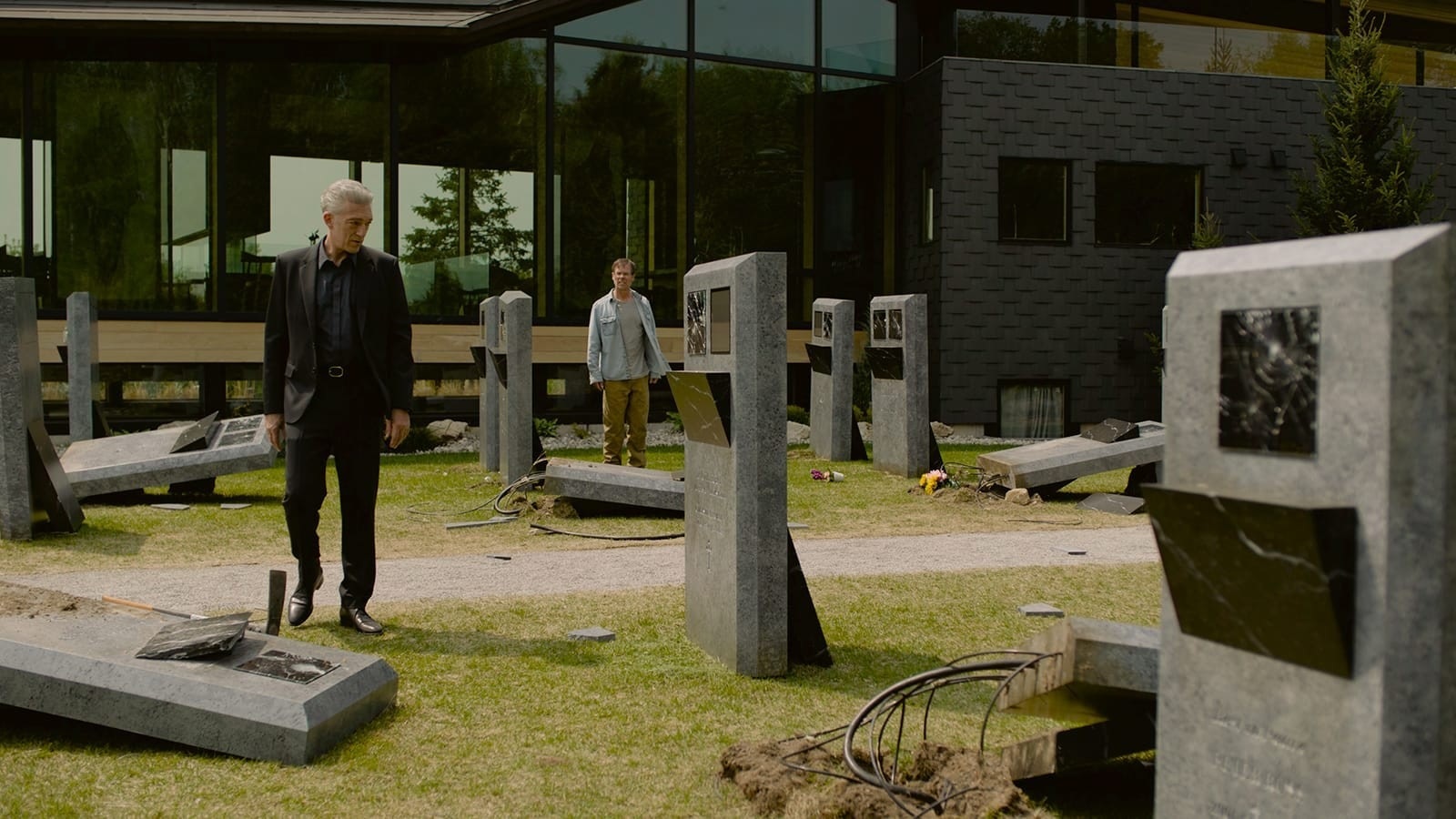
The Shrouds (2025) (dir. David Cronenberg)
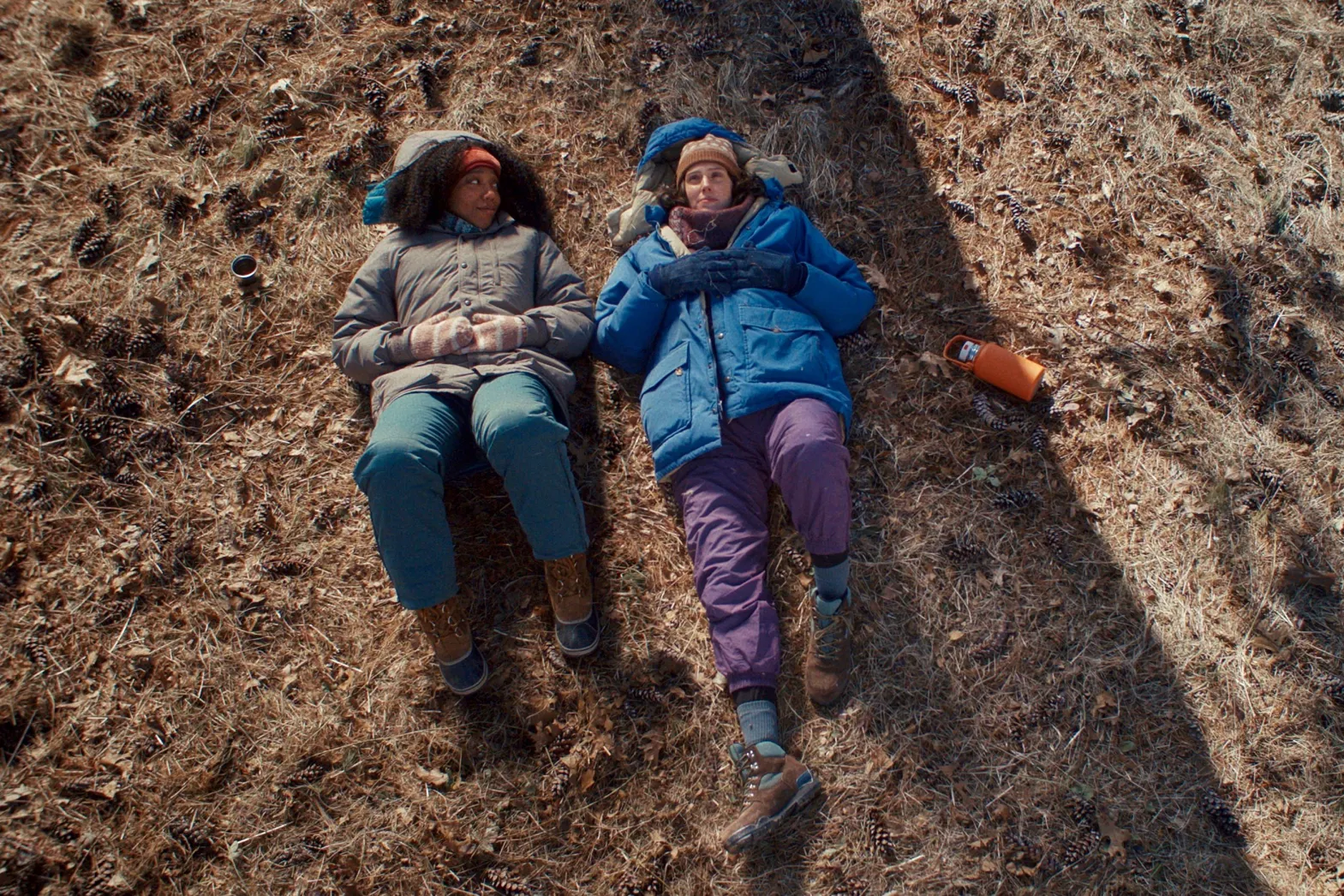
Sorry Baby (2025) (dir. Eva Victor)
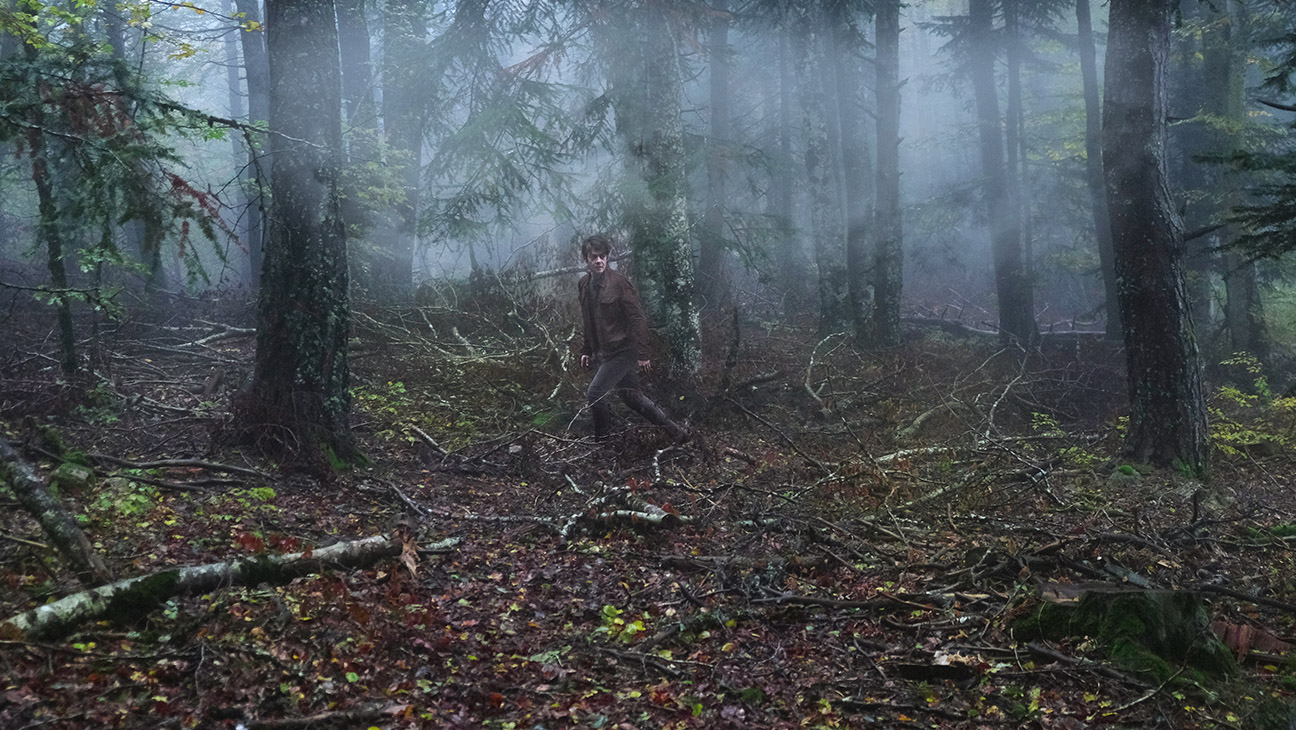
Misericordia (2025) (dir. Alain Guiraudie)
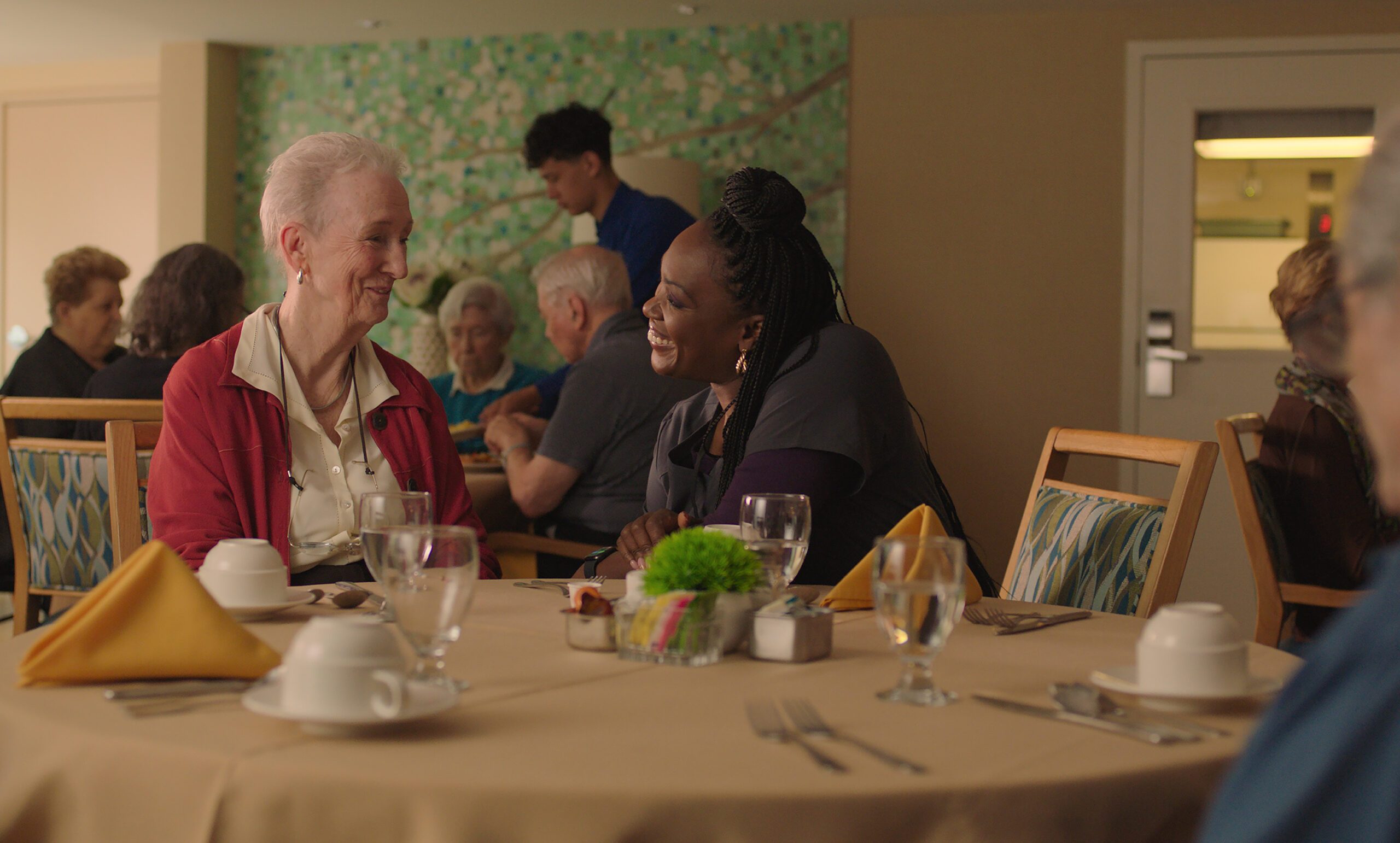
Familiar Touch (2025) (dir. Sarah Friedland)
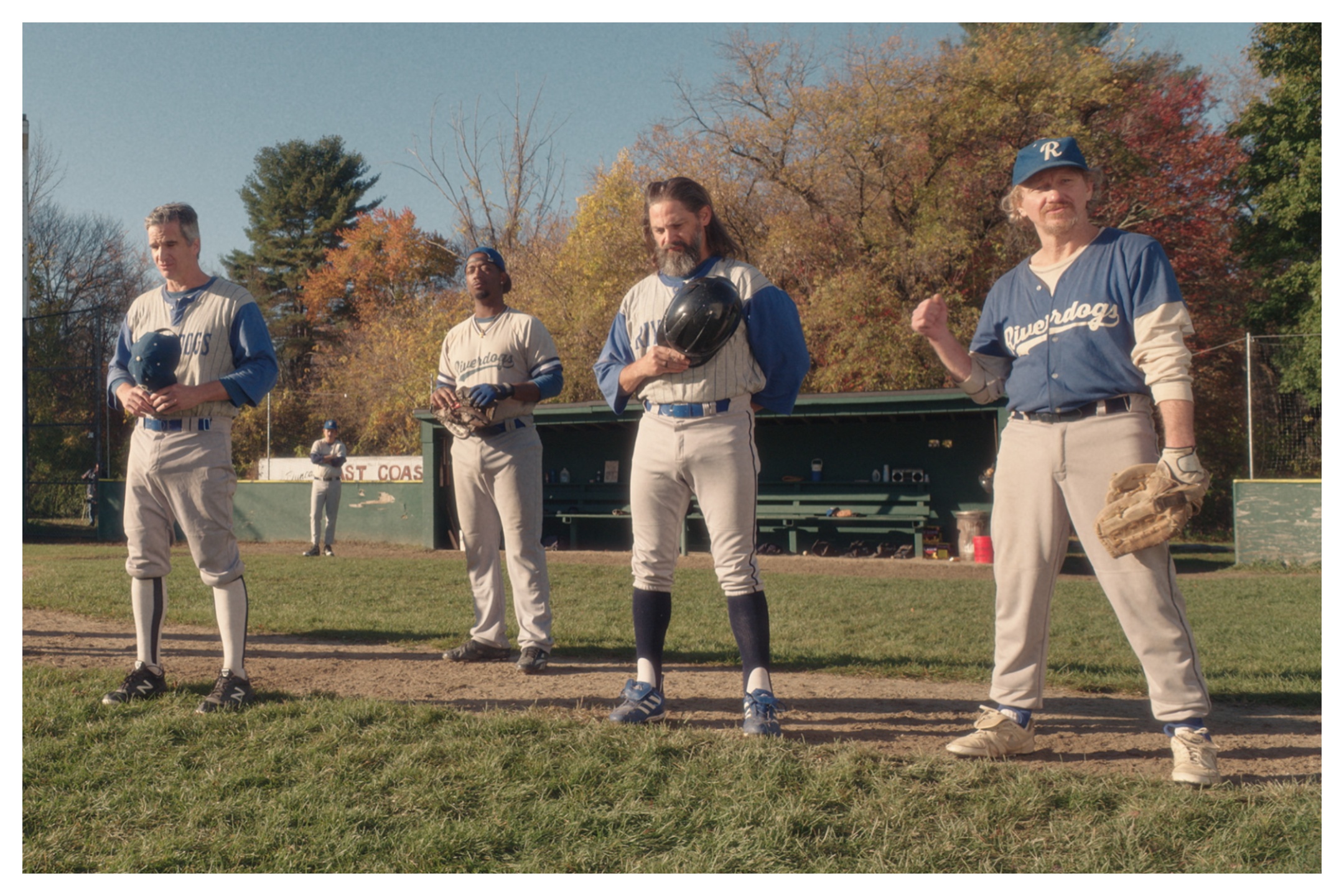
Eephus (2025) (dir. Carson Lund)
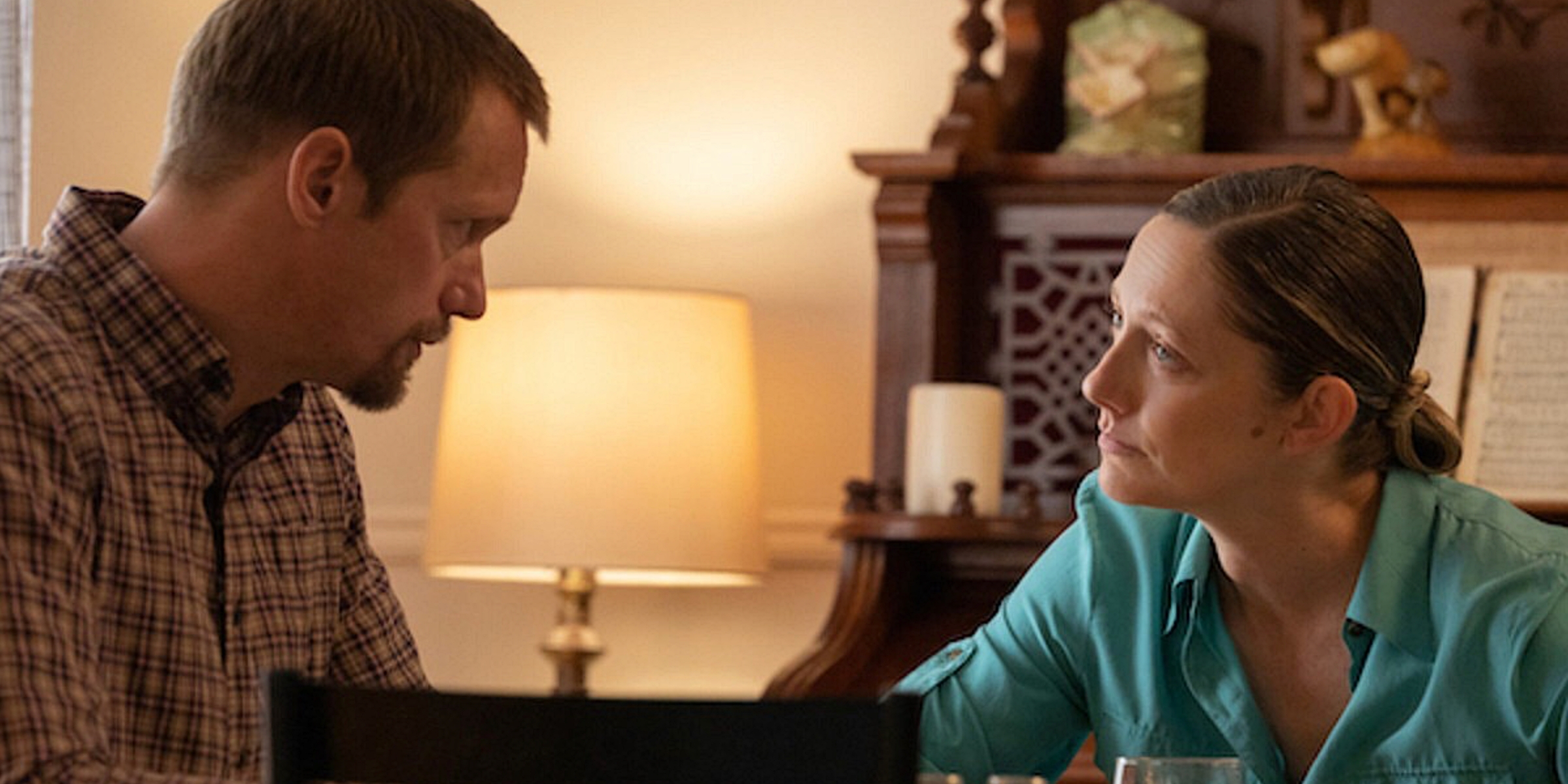
Eric LaRue (2025) (dir. Michael Shannon)
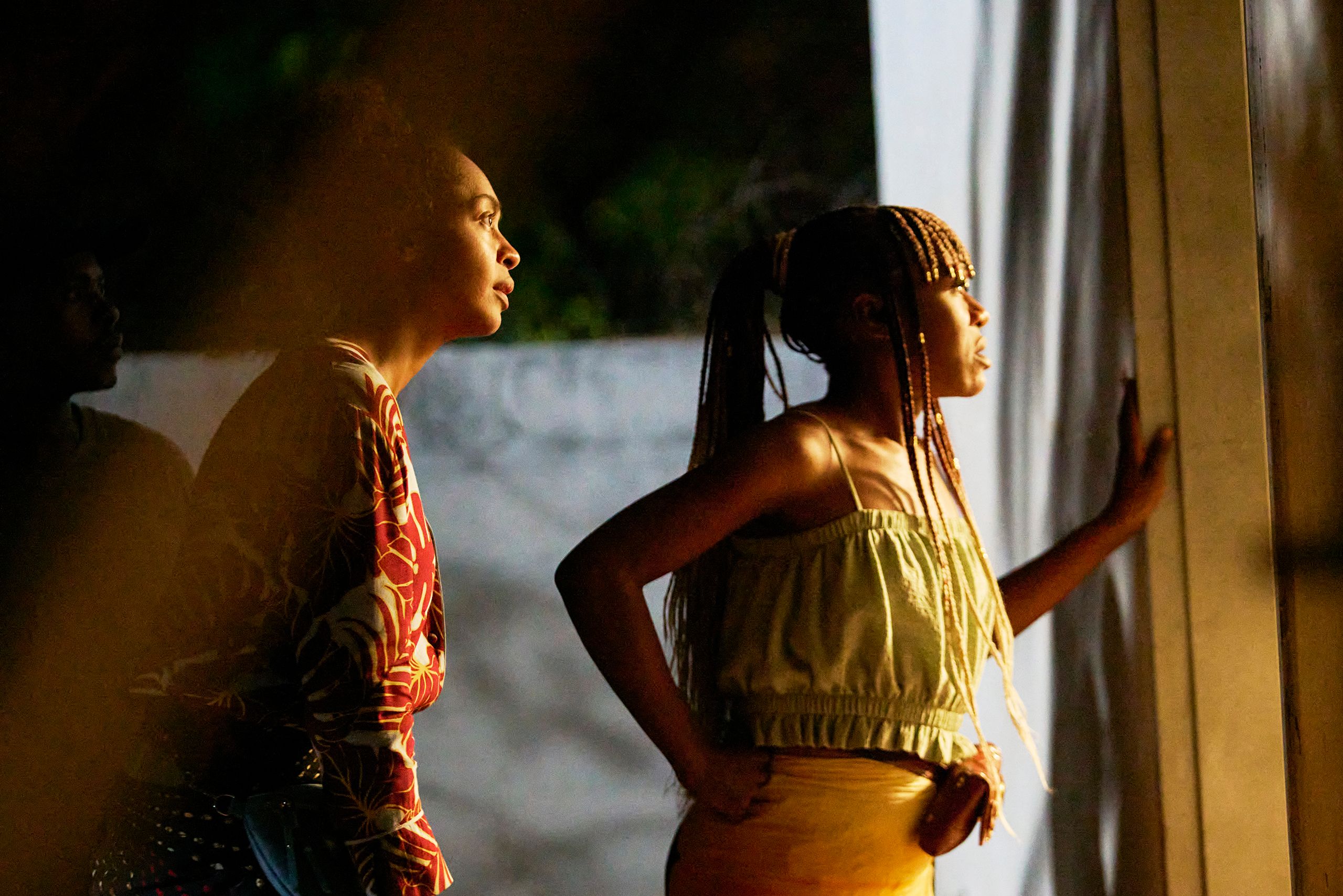
On Becoming a Guinea Fowl (2025) (dir. Rungano Nyoni)
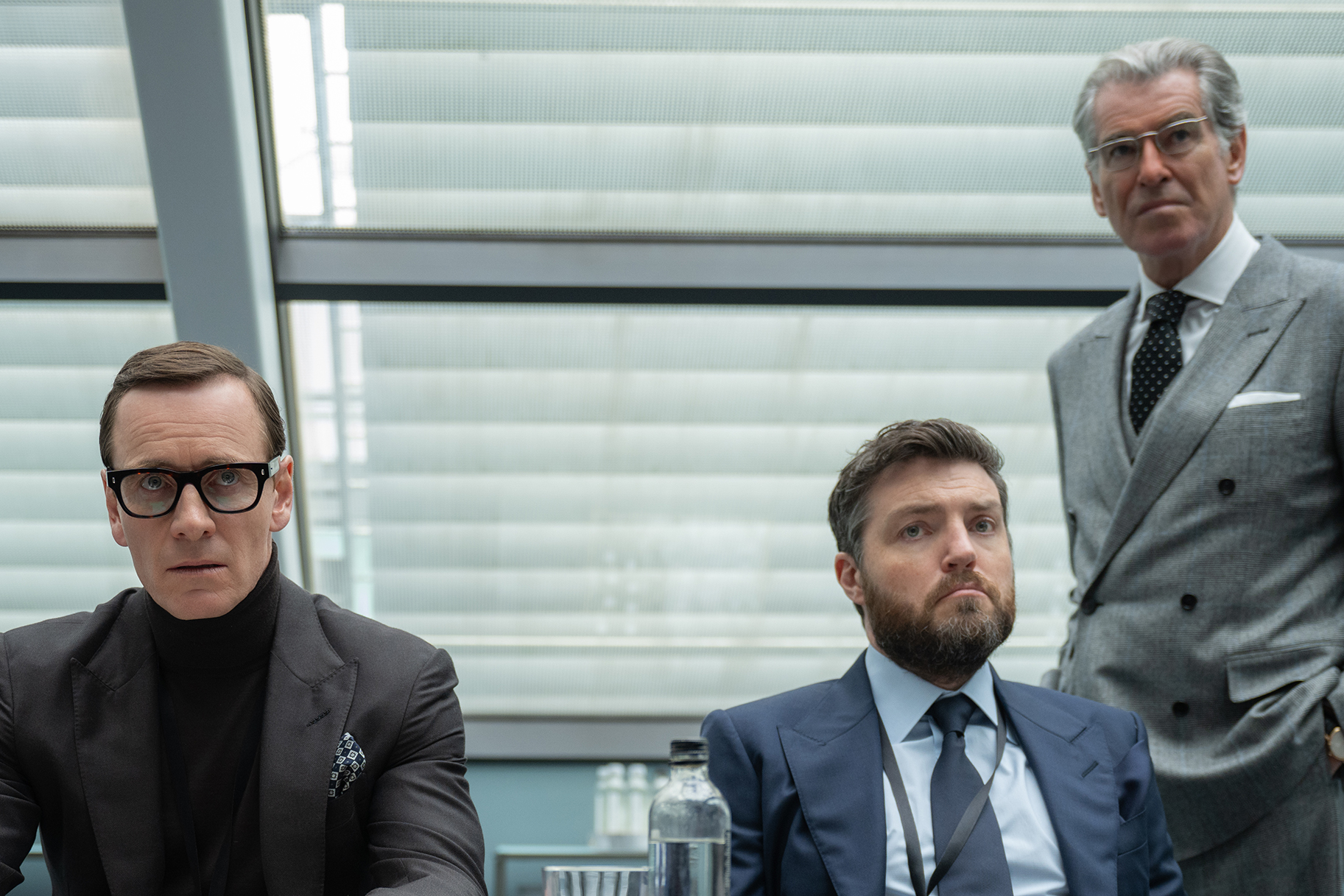
Black Bag (2025) (dir. Steven Soderbergh)
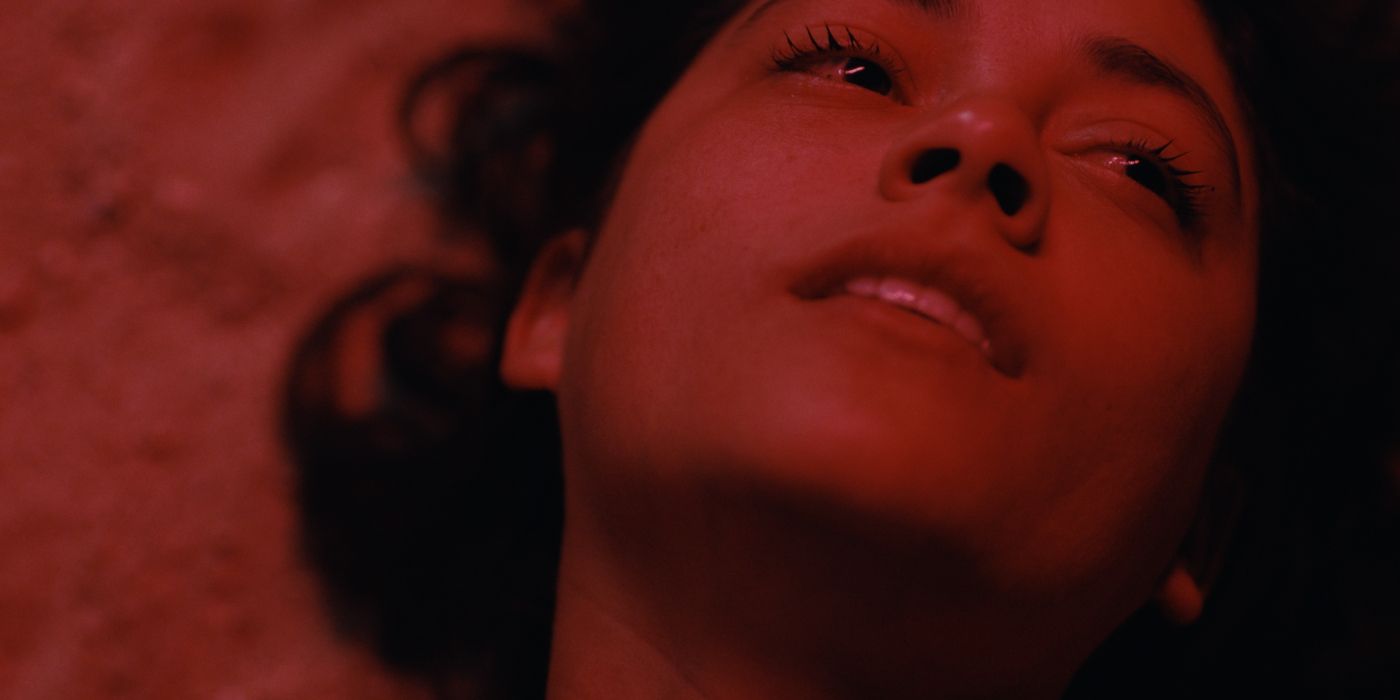
The Dead Thing (2025) (dir. Elric Kane)
P.S - I still have a lot to catch up with. I did really like Sinners too, but not as much as everyone else and there is a lot to look forward to the rest of the year. Stay tuned in a few days for a new music-centric podcast episode as well as a list of my favorite records of the year so far. Lots to say, write and record in the coming months and so grateful for your kind support and patience this summer!