Entropic Brain Hypothesis
Actually I’m sure I’ll have more to say about dementia in the future but for now…
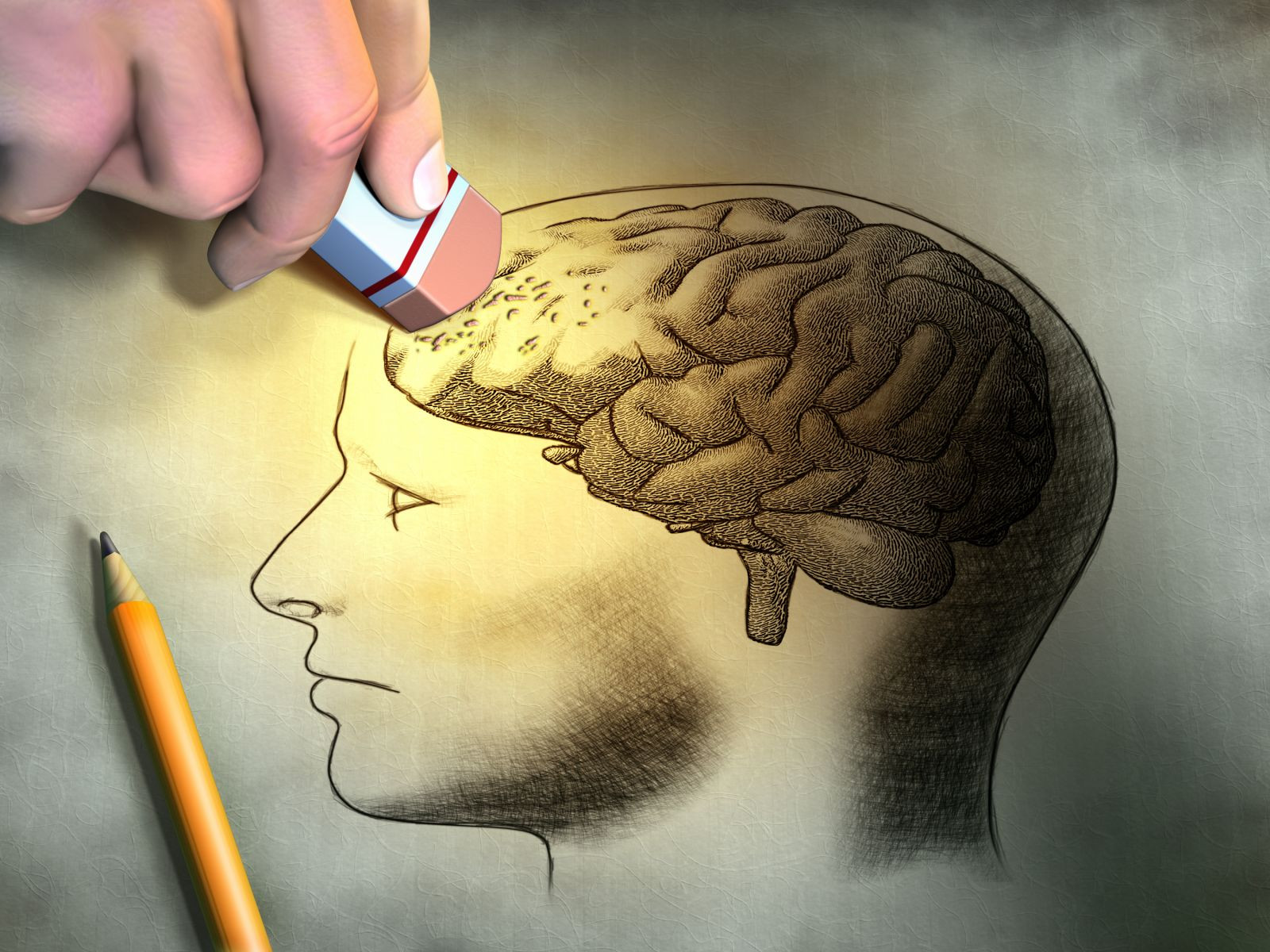
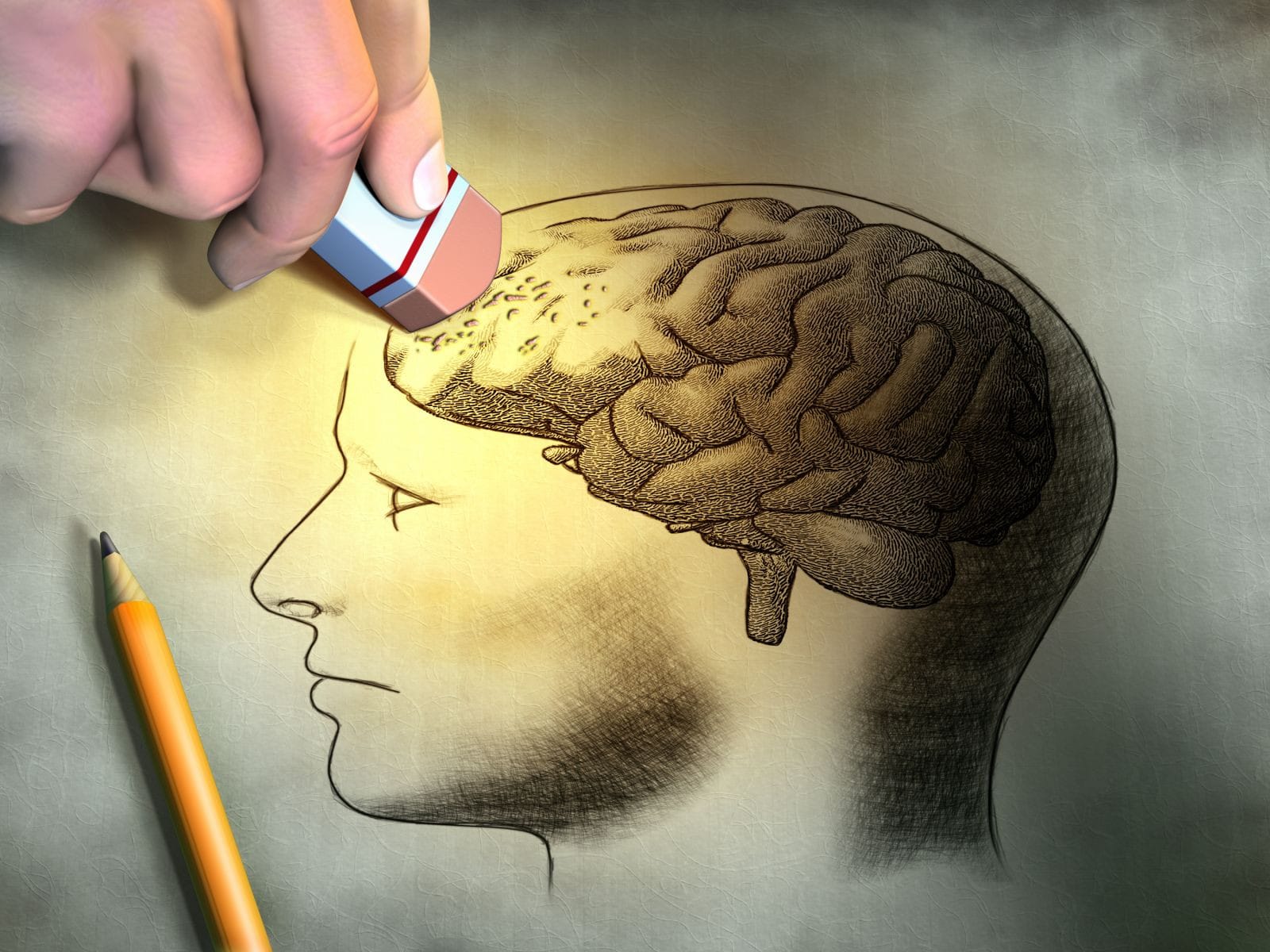
Brain entropy measures the irregularity or unpredictability of brain activity. Unpredictability is what I’ve been experiencing for the past couple of months. I hate it. But maybe it’s a lack of control too. I can’t control what’s happening. All I can do is try to make sure that my mom is supported. By others who can handle it. I honestly don’t know if I’m wired to handle more for awhile. I can elaborate.
Since my father died, my mom has had a hard time with emotional independence. She seeks validation from me and me alone. It is a true definition of co-dependence and since my father died back in 2001, she hasn’t always felt like my mom. 24 years later, I have come to the conclusion that nine phone calls a day, texts begging me to call her (while at work) or right before my eyes saying, “You’re the only reason I’m alive” that she is borderline addicted to me.
She doesn't know what to do with herself and has a lot of trouble making decisions and feeling comfortable in her own life. She is not reading books, doing crossword puzzles, making any effort to find hobbies or even enjoy TV anymore. She also is starting to struggle with self care, like eating properly. She began spending money on things she doesn’t need or impulsively calling my sister several times a day as well.
At first, I thought, is my mom jealous of the fact that I have found a life partner? So she’s trying to sabotage it by demanding so much of me? In a way, I think that’s what she hoped for because it happened two decades ago when I was engaged way back then. I never thought of my mom as being a contributing factor to that relationship not working out, but I’ve been re-framing a lot of the past due to an incredibly tumultuous, challenging present tense.
I know that sometimes people just need to talk, and I do listen, but with her it is not a normal exchange. Sometimes she is just irritable, demanding and needs to unload on someone and other times she spends a lot of time talking about how pathetic life is. It's hard to navigate the truth, the manipulation and the drama.
It's all about guilt, unresolved childhood trauma and internalized chaos. She hasn’t exercised (due to physical ailments), cooked her own food, talked to a therapist honestly or even taken medications regularly. Dissent and discontent and disillusioned with time, place and memory. Dementia has now only heightened every one of her worst characteristics and behaviors.
Before they were reasonably tolerable, I could leave her behind at home without too much guilt. Now her actions, her words, her lack of self-awareness has grown intolerable and sometimes panic-inducing. Perhaps for a half hour a day, she feels a sense of calm acceptance only for that “facade” to drop within the span of an hour and the anger returns and emerges, Hulk-style.
She wants to put everyone in their place and be bossy. She wants help, but only on her terms. She wants to control your response to her and control everyone within reach. Of course, it makes sense since this is how it’s always been. I was once able to shake it off when she would repeatedly ask me to sweep the floor, clean the car windows, and call her nearly every other day, sometimes multiple times. Then something happened.
She began to get far more critical, judgmental, belligerent and demanding of my time and energy. Yes of course, she would provide me with some groceries and a little bit of gas money for my visit but over the past few years, I started to feel unsafe, anxious and depleted. Perhaps her worst tendencies to manipulate, lie, criticize and demonize others were becoming more and more at the center of her interactions. It didn’t matter if it was vascular dementia (which it is), what she was doing was hurtful, abusive… causing damage to those around her.

There’s so much more to the story of my mother that I know I will tell one day. Most of it is not pleasant or full of happy memories. For some time, I have often thought, “well it’s good that we get along,” but that was me normalizing her tendency to idolize me while putting everyone else down. The waitress, the nurse, the doctor, the family member, the neighbor. It didn’t matter.
Everyone was terrible, awful, wrong, uncaring. Particularly my aunt and my sister because they had their lives together. They laugh, they experience joy, good health and socializing. My mom hasn’t been able to outside of an odd fixation on a saintly housekeeper who went out of her way.
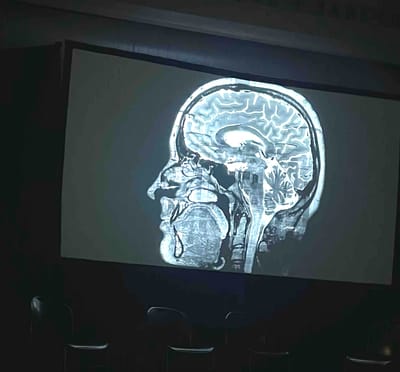
Me? I was her sunshine, her only sunshine. And that’s not getting along or having a healthy relationship. That is toxic co-dependence to an unhealthy degree. By simply getting whatever food she wanted and sitting to watch a movie with her, you wouldn’t think so. But it was enabling after a while, particularly recently after she had fallen on a couple of occasions as well as visiting her twice on a Sunday to where her mood changed so rapidly, I knew something wasn’t right. I had to call my sister. We had to take her to the ER for an MRI and well, now there’s so much more to say, to write, to process.
My mother is disappearing, bit by bit, synapse by synapse, like some cosmic joke played by the universe's cruelest comedian. The punchline? Pretending this slow-motion apocalypse happening in a suburban condo is normal, where wallpaper has little flowers and the fridge hums with a lack of food and hoards of random handbags, toiletries, things she can’t afford.
Time is a flat circle, or maybe a twisted Klein bottle—folding in on itself until you can't tell inside from outside, past from present, mother from stranger. Vonnegut’s creation of the Tralfamadorians did not perceive time as a linear progression "like beads on a string." Instead, they see all moments—past, present, and future—simultaneously, as a single, static entity. I honestly don’t know what to think and say and feel when I’m around my mother now.
There is no response or reply that is pleasing. It’s met with contradiction, defiance, defensiveness and a lack of compassion. My sister mentioned to her how a close family member has Parkinson’s. My mom’s immediate response: “What does that have to do with me? That has nothing to do with me!”
Everything has to be about her. It always has. But it’s worse. Any other person would express sympathy, compassion, sadness. Today, my mom wanted fast food, more money, more things that she doesn’t need and of course: my undivided attention and a promise that I would visit her more because that’s what’s keeping her alive.
Here's the thing about dementia—it's not just one person disappearing. It's an entire conspiracy of forgetting, a vast network of neural pathways shutting down like some synaptic power grid. First, recent short-term memories fade. Then medium-term ones flicker out. Eventually, even ancient memories, those supposedly permanent installations in the brain's basement, start to short-circuit but they’re accessible. My mother has been bringing up names from the past that I haven’t thought of in years and even recalled a random phone number that she hasn’t called in years.
What’s truly awful is hearing her scream and cry out my name while also walking with my sister. She wasn’t calling out both of our names. She was only calling out for me to stay, come back. That to me was one of a few breaking points I experienced. If I just sit and listen to all her negative energy like a therapist the way I have for a long time, it’s basically more enabling, a vicious cycle. An object of permanence. I may be sitting there, but she doesn’t see the real me that’s in pain from listening. I’m there, but I’m not.
The codependency, that terrible dance of dysfunction that defined us for decades, has become something incomprehensible. She still wants to care for everyone, but she's forgotten who I am in a sense. She sees me as her son that should be taking care of her, visiting, validating, calling, providing because “she provided for me and changed my diapers.”
The experience of all this has lacked a lot of logical sense because dementia doesn’t make sense - it is not allowing you to control your thoughts, your words, your actions. It’s an altered reality. Our conversations spiral into repetitive phrases of anger for her to spit out. At this point, trying to have a normal human conversation or even trying to relate on the simplest of levels with her is like watching someone try to perform surgery with mittens on or conduct an orchestra while the musicians all play different songs in different keys. Try not to misplace the keys all the while.
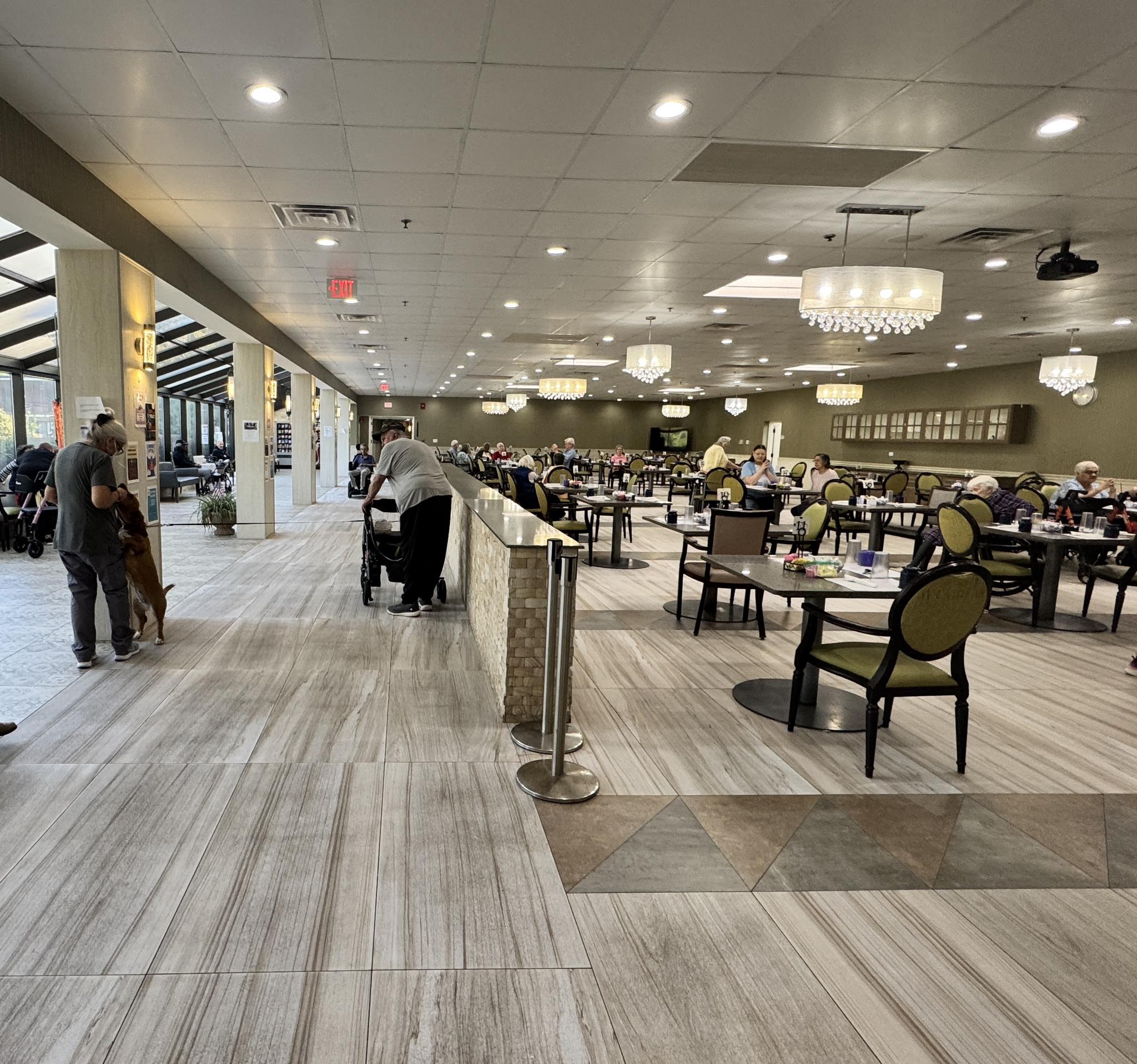
The medical establishment that also wants all her money, that vast bureaucratic machine designed to process human suffering into billable hours, has its own language for what's happening to my mother: "Mild cognitive impairment," "Moderate atrophy," "Sundowning," "Catastrophic reactions." They have pills for some, strategies for managing the rest. They talk about "behavioral interventions" and "environmental modifications" as if my mother is a malfunctioning appliance needing adjustments. In some regards, they’re right. It just hurts. But the people there at her new home, they have strong hearts. They care. They don’t want negative energy to infect everyone. My mom is a carrier of it. I want her to be stabilized, calm, regulated and experiencing joy again.
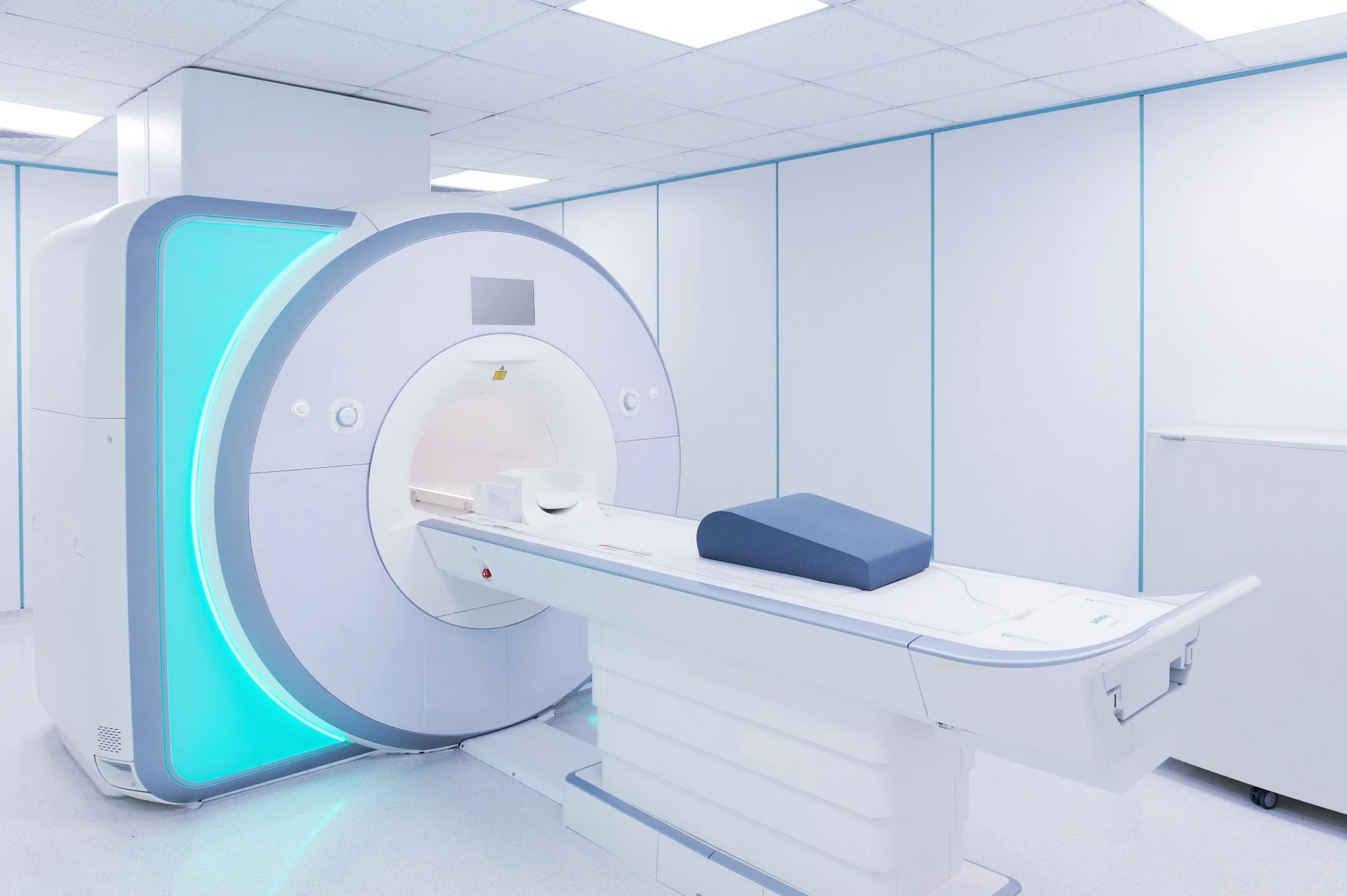
Watching someone you love disappear is like being trapped in a Philip K. Dick novel where reality keeps shifting and you're never sure which version of your mother you're going to encounter on any given day. Will she be the woman who raised two children and could take you to dinner and a movie to escape reality for a while? Or will she be the confused, judgmental stranger who thinks you're trying to hurt her when you're only trying to help? Honestly, she’s always been clingy, but this clinginess, with the amplifier set to 11.
The other day—or maybe it was last month, time being what it is when you're living in dementia-land—she looked at me and said, "Thank you. I appreciate everything that you do. I love you more than you’ll ever know." For a moment, the fog cleared for a half hour, but then the weather changed. The fog rolls back in, and she is gone again, replaced by this anxious, awkward stranger who speaks with paranoia, insults and disdain for family members in her life (most of them women) who have been trying to help. She has no idea how much I want to yell at her for not recognizing or appreciating all that my sister has done and will continue to do. She’s supporting me more in a sense, yes, but she’s gone above and beyond for her.
The cruelest part isn't the forgetting—it's the remembering. She remembers abuse, neglect, the lack of visits from others or those from the past who wronged her. I've been sitting here writing this unfiltered for about an hour trying to make sense of the past two days - on one hand, the move for her went great, on the other, she’s not great. Far from it. She may be getting worse.
- "Validate, join, and distract. Refocus. Redirect."
- "Don't argue with delusions. Say yes. Make the visits shorter if necessary."
- "It's the disease talking, not your loved one. Just say okay, move on.”
- “She doesn’t realize what she’s saying, doesn’t mean it or has no control.”
As if there's a clear line between disease and person, as if my mother is separate from the prefrontal cortex eroding inside of an exhausted, fractured brain.
But here's the thing about entropy—and dementia is entropy in its purest form, the breakdown of order into chaos—it's not just destructive. It's also, strangely, creative. My mother's brain, unable to process reality, creates new ones. Apparently, a doctor was pleasuring herself in front of her. Also, the residents at her new home all say, “They hate it here.” My aunt who she hasn’t talked to in years also said, “You better watch out. Your kids are trying to take your life away.”
These aren’t mere distortions —they're stories her brain constructs to make sense of a world that's lost its logic. There’s no control, so she’s writing her idea of what control can be. Reality used to be a friend of hers. Maybe that's what we're all doing, caught in the pull of a disappearing mind: building stories to find meaning, loving someone who may not remember our names but still recognizes love. The brain is thinking of ending but not quite yet.
There’s still some suffering left but perhaps, moments of pleasure and connection can be found - with the right combination of support, meds, therapy, socializing, outdoor/indoor activities. This is where hope can play a huge factor. It’s there, but not presently, at least for me. I want to feel hope for her, but I can’t. At least not right now. In the thick of it. In the midst of a dramatic change.
So now then? We'll be left with memories of her memories, stories about her stories, our love for someone who forgot how to love us back but, in rare clear moments, saw the love in us to provide stability for the remaining years of her life. My sister and I can focus on the photos, some of the words she wrote from way back or even that time she took me to see Cobra (complete with a scene where our lead character cuts pizza with a pair of scissors) even though it was Rated R and I was 7. She knew I loved Stallone; she wanted me to be happy.
Maybe that's enough: knowing we loved and were loved, even when memory fails, while the self and consciousness dissolves into dust, all that's left is a fading sediment saying, "I can always feel and see the love in you. It was there. It is there. Even if I’m not there anymore." If all we have is now, my mom’s needs don’t reflect my own. She keeps saying, “wait and see til this happens to you.” Honestly, I’m curious to find out. Have I done the right thing to my body and mind or is it inevitable to experience some severe cognitive decline to where I’ll only want a gas station danish and my phone to call people every single day.
In some kind of twisted version of efficiency, there's a kind of melancholic mercy. She's simply who she is now, in this moment, deserving of care from professionals and respect without the burden of comparison to a former self. Then again, I think of so many things she’s said and done as “covertly” abusive over time. But that shouldn’t be her legacy. Other than raising two children who became empathic and giving, I’m not sure what her legacy is.
How to love the person in front of us without mourning the person who's gone. I’m in mourning of the fact that my mom has never felt fully present to be a mother who put me above herself. Does dementia create more selfishness or is it just exposing her true self that I’ve always been in denial about (or normalized?). Perhaps none of what I’m writing matters but it’s out and maybe it helps to make sense of what’s become senseless random chaos thanks to poor health and a brain that may be slowly fading.
She vents to me because she can’t sit down at a computer desk to type out thoughts like this. I feel bad she never discovered podcasting, music composition, or any number of outlets. Instead, it’s always been the damn phone. Instead of picking up a talent or a skill, she picked up the phone to call me at the most inopportune times including when I would tell her that I have a “very busy day at work” or with “my partner.” That didn’t matter.
At the same time, there is a feeling of tremendous loss. For her independence, stability, resilience and empathy. She may say things like “how are you?” But she’s not listening. She’s waiting to talk about herself and what she wants. The professionals and incredibly compassionate caretakers at her new home have already figured this out—it's a combination of survival mechanisms, a hope for control; short-term needs mixed with long-term memories.
Philosophers and neuroscientists can debate whether the self is an illusion or if consciousness emerges from neural patterns or a homunculus. But watching someone's identity unravel shows how much we rely on stories about ourselves, held together by a narrative - whether it’s fact or fiction, manipulation or an altered perception. At this point, I know it’s dementia causing a lot of the worst to occur, but she hasn’t been the best person to me for a long time and realizing that is probably what is making my heart race and my eyes water more.
Without memory, my mother is fragments: she makes eggs but forgets to buy groceries. She recognizes love in a voice but not the face. She lives fully in each moment but can't weave them into a coherent, consistent self.
Maybe identity is more fragile and malleable than we thought. Maybe we're all improvising our way through life, and dementia removes the script, leaving raw, unfiltered humanity. A desire to satiate something immediate. Craving fast gratification and more and more and more and more stuff in hopes it will fill the void. What's left isn't less real—just different, like a song of joy now in a minor key, recognizable but transformed into something heartbreaking and terrifying.
May we all get better sleep, better food, supportive people, lots of compassion and warmth throughout the duration of our lives. If only my mom could’ve found what my sister and I have found - my sister’s determination, strength and ability to push through and with me - the ability to ask for help (physically and mentally), ensure that I have hobbies and supportive peers and ways to handle stress better than lashing out at others. Mom, may you find peace late in life. But I can’t be the one to provide it as much as I did. It’s time to try on your own with some help of those surrounding you, as scary as it must feel right now. I’m scared too. At least we can agree and recognize that together and hope things change to where I will be able to visit and sit with you, even just for an hour.