New Movie Reviews (July 2025)
Magnetosphere (dir. Nicola Rose)
"If you want my opinion, no one is normal. Normal is way overrated."
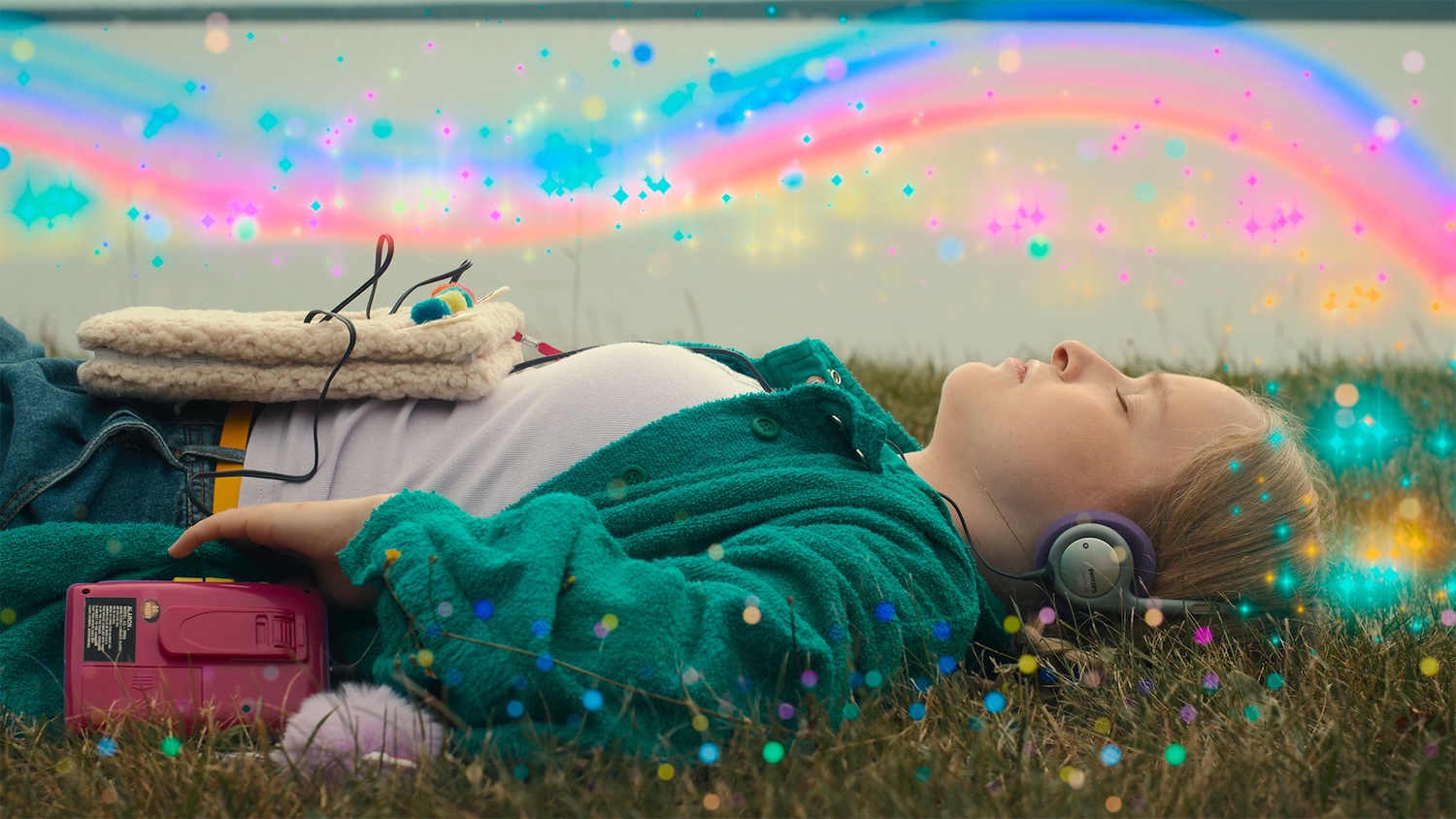
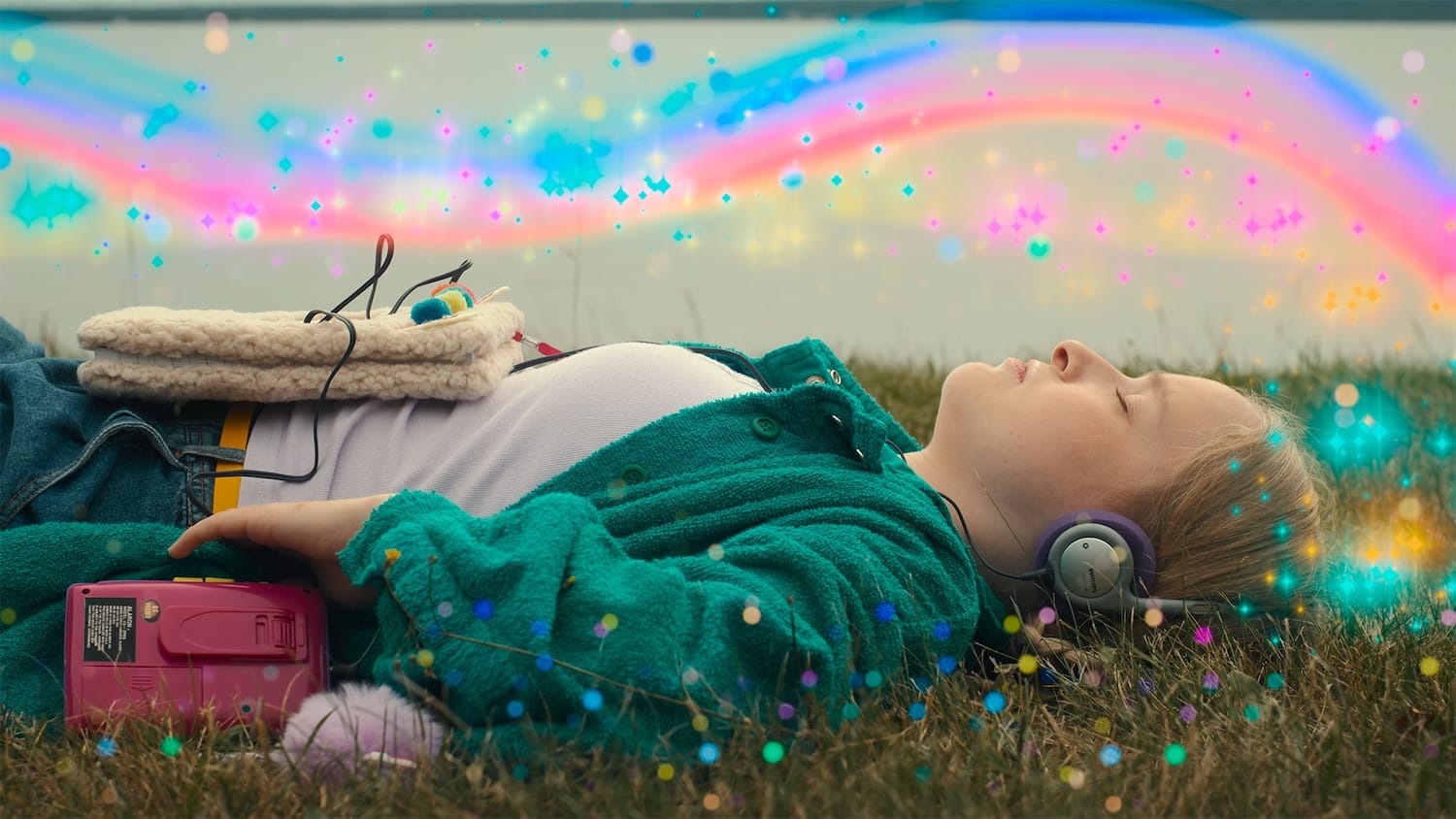
Writer-director Nicola Rose crafts a tender, visually creative coming-of-age story that finds profound beauty in the experience of being different. Thirteen-year-old Maggie (Shayelin Martin, in a wonderfully naturalistic performance) navigates an adolescent minefield of a new school, first crushes, being called "fish face" and struggling with self-doubt, but with the added layer of synesthesia—a neurological condition that allows her to see sounds and hear colors. Rather than treating this as a gimmick, Rose uses Maggie's unique perception as both a window into her inner world and a metaphor for being a teen whose identity hasn’t solidified yet. Even if you don't share the condition that Maggie has, you'll still be able to connect to her particular struggle and the trepidation she experiences being among peers.
Set against the backdrop of 1997 and the passing of the Hale-Bopp comet, the film follows Maggie as her family relocates to a new town where her father (Patrick McKenna) becomes involved in a local Gilbert and Sullivan production. The domestic chaos that ensues—including a mysteriously placed toilet in the living room and the arrival of an eccentric handyman named Gil (a cartoonishly silly Colin Mochrie)—provides both comedic relief and a framework for exploring how families adapt to the unexpected especially when it seems to be challenging at first.
Bringing to mind Bo Burnham's Eighth Grade at times, what makes Magnetosphere special is Rose's delicate balance of the profound and the playful. The film's visual representation of synesthesia is both beautiful and full of color as one would expect, showing us not just the wonder of Maggie's perception but also its isolating effects. When Maggie looks at her new friend Wendy (Mikayla Kong) and sees a tangled web of colors instead of a single emotional hue, we understand both the complexity of teenage friendship and the burden of seeing too much.
Nicola Rose as she did in her previous film, Goodbye Petrushka, demonstrates a rare gift for writing characters with genuine complexity from an empath's perspective, and in this case, never condescending to teenage protagonists or reducing them to simple archetypes. The adults in Maggie's world—from her concerned but loving parents to her compassionate teacher (a delightful Debra McGrath)—respond to her difference with acceptance and curiosity rather than fear or pity. This creates a refreshingly thoughtful view of human nature that feels earned rather than simplistic. The only strike for me is really the choice of the doll speaking as Maggie’s inner thoughts (not my sense of humor so maybe it’ll work for others). Something about the voice just grated on me despite admiring the choice to get to that level of quirk. Usually the scene that follows makes up for that, particularly when Maggie starts playing the piano while singing a gorgeous ballad.
Magnetosphere succeeds because it understands that the most important discovery with growing up isn't learning to fit in, but learning to value what makes you unique and embracing it as a gift. For me, it was always music, writing and film. It became how I communicated to the world as an introvert who struggled to interact with other human beings. Through Maggie's eyes, we see a world where difference isn't something to be hidden or shunned at, but something to be understood and celebrated. It's a sweet coming-of-age story that lingers long after the credits roll, reminding us that we all see the world differently—and that's exactly as it should be. View on VOD today here!
AJ Goes to the Dog Park (dir. Toby Jones)
“I will never forget that bad rhyme for as long as I draw breath”
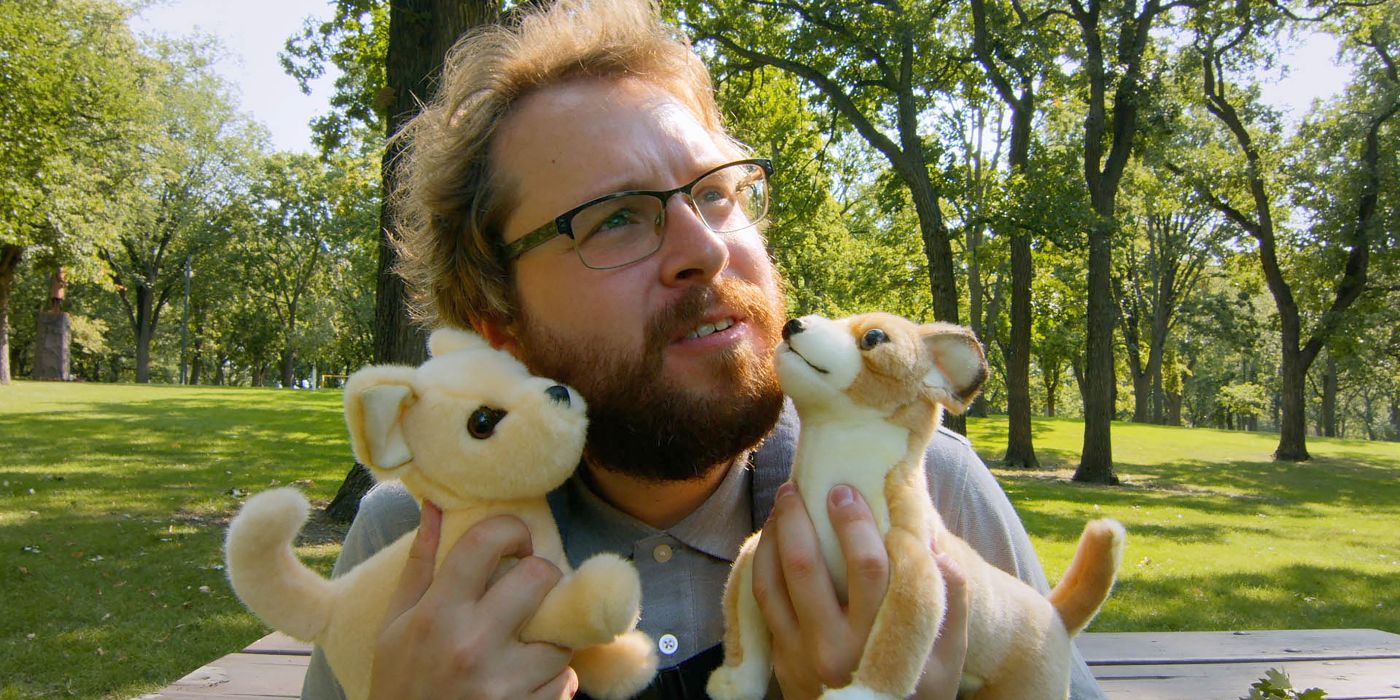
Cartoon Network veteran Toby Jones brings his animation sensibilities to live-action with this aggressively weird comedy that feels like a feature-length sketch stretched beyond its natural limits. At times I was laughing hysterically since the humor is akin to Stella-era David Wain or Tim & Eric. For as many times as I laughed out loud, over time, I began to groan and felt it did overstay its welcome despite how go-for-broke it goes.
Toby Jones is known for being a writer on animated programs such as OK K.O.! Let’s Play Heroes and Regular Show. AJ Goes to the Dog Park is Jones’ debut as a live-action full-length filmmaker. OK K.O.! creator Ian Jones-Quartey serves as a creative consultant and Steven Universe creator Rebecca Sugar has a new song called “My Hill to Die On” that plays over the end credits, one of the highlights.
When mild-mannered office worker played by AJ Thompson discovers his beloved dog park has been converted into a "blog park" for laptop-wielding writers, he embarks on a quest to become mayor and restore canine paradise to Fargo, North Dakota.
Operating on a micro-budget with DIY special effects and homemade charm, there are copious sight gags and non-sequiturs at breakneck speed, channeling the manic energy of ZAZ through a distinctly cartoonish lens. Jones's animation background shines in moments like AJ kicking a perfect body-shaped hole through a door, and the film's commitment to pure cartoonish nonsense occasionally pays off with genuine belly laughs.
At 80 minutes, what begins as delightfully unhinged gradually becomes a bit exhausting especially during the final act; I almost would've preferred this to be an hour at the most since there are multiple false endings, tangential character backstories, and a bizarre third-act pivot involving demon lords and stop-motion skeletons that feels too random and GWAR-like in sharp contrast to the rest of the absurdity. The film even acknowledges its own structural issues through a very funny library scene where a child complains about pacing, but self-awareness doesn't solve the fundamental problem.
Thompson's earnest man-child performance anchors the chaos with surprising heart, and when the film briefly explores themes of routine, friendship, and what we sacrifice for our goals, it hints at deeper substance beneath the surface silliness. I certainly won’t forget many moments throughout that made me laugh quite hard but I wish it had been consistent in a film that pretty much embraces inconsistency and confusion in terms of where the story decides to go. Though I’m a picky laugher, one moment involving AJ’s reaction to a “bad rhyme” sung to him while falling asleep is one of the biggest laughs I’ve had all year.
AJ Goes to the Dog Park does succeed as a calling card for Jones's comedic vision and proof that he possesses a unique, unhinged approach to comedy. But throwing everything against the wall to see what sticks, it’s possible to find some jokes provoking eye rolls instead of chuckles. As a feature film, it's an ambitious experiment that doesn't quite justify its length, leaving me simultaneously entertained throughout and then, sadly, eager for it to end.
The Fantastic Four: First Steps (dir. Matt Shakman)
“Ben has always been a rock.”
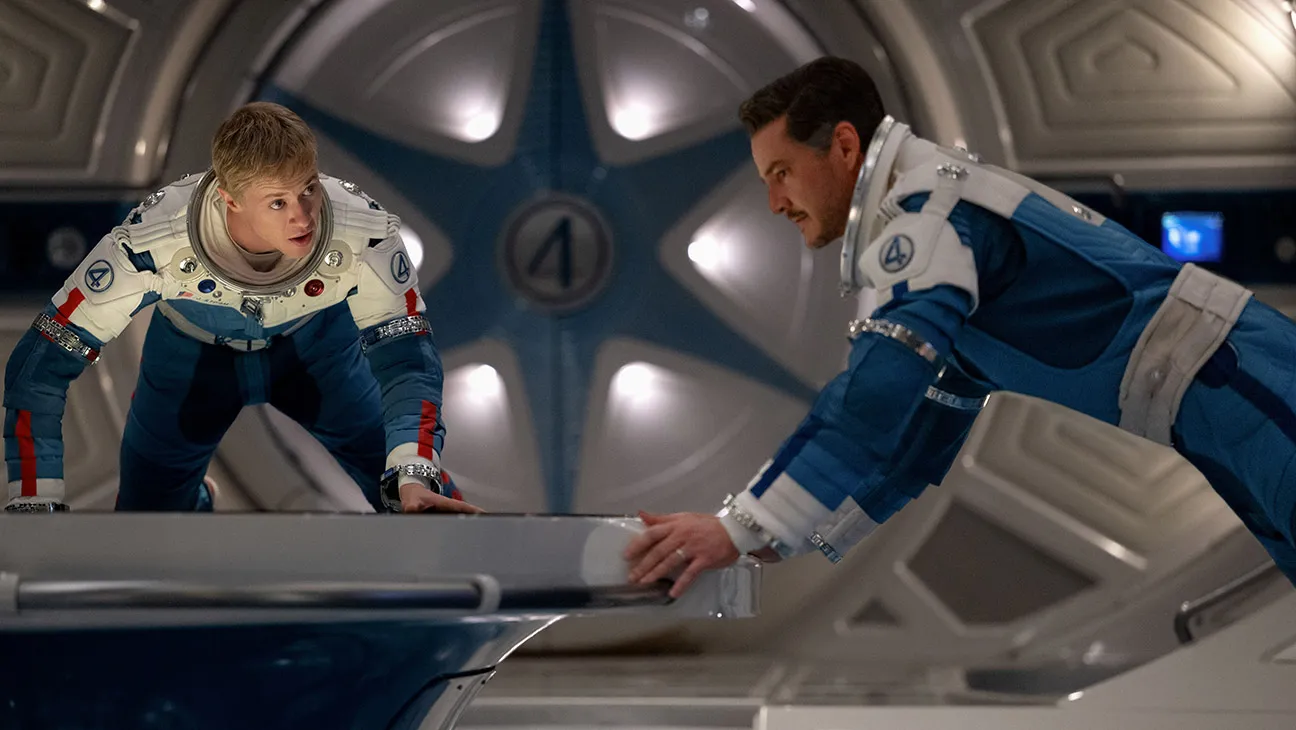
After decades of misfires, Marvel's First Family finally gets the treatment they deserve. Filmmaker Matt Shakman (WandaVision) wisely sidesteps another origin retelling, instead dropping us directly into the lives of Reed Richards (Pedro Pascal), Sue Storm (Vanessa Kirby), Johnny Storm (Joseph Quinn), and Ben Grimm (Ebon Moss-Bachrach) as established heroes navigating both cosmic threats and domestic bliss. When the Silver Surfer (Julia Garner) arrives heralding Galactus's world-consuming hunger, the team faces an impossible choice that tests their bonds as both superheroes and family.
What elevates First Steps above its predecessors is its commitment to character over spectacle. Right from the start, it isn’t about exposition ad nauseam to get folks caught up which is a welcome relief. Pascal brings his signature warmth to Reed's obsessive genius, while Kirby transforms Sue from invisible wallflower to the team's emotional anchor. Quinn finds fresh energy in Johnny's “hot”shot persona, and Moss-Bachrach (from The Bear) delivers the definitive Ben Grimm—gruff yet tender beneath his rocky exterior. The ensemble here is one of the reasons to seek this out since unlike other superhero endeavors as of late, everyone here puts in their best effort even when the occasional clunky line of dialogue fails them.
Their chemistry feels lived-in and authentic, making every family dinner as compelling as any cosmic battle. Everyone stands out and brings something fresh to their portrayal, despite familiar superhero archetypes. Perhaps expectations were low to where I contemplated missing this completely, especially after being underwhelmed with the latest Superman incarnation. As a fan of WandaVision, maybe I’ve turn into a fan of Shakman and his playful approach to superhero stories in general.
Shakman's retro-futuristic vision is a feast for the eyes, with production design that lovingly recreates the optimistic Space Age aesthetic of the comics' 1960s heyday. The film maintains a delicate tonal balance—witty without being frivolous, earnest without being saccharine. This is more or less The Incredibles in live-action form, but it goes down easy, remains visually eye-popping and even has stakes for the characters that I actually cared about.
Most refreshingly, First Steps operates as a self-contained adventure, free from the multiverse machinations that have bogged down recent Marvel entries. Granted, I know they will be back in another Avengers film that I'll likely end up seeing despite completely feeling tuned out of the comic book world. Thankfully, this film stands alone as summer entertainment that didn't grate on my nerves the way so many other films of this ilk tend to do.
This is a solid throwback to when superhero films could simply tell a complete story about compelling characters facing extraordinary circumstances. It’s far from perfect (again final confrontations with villains often leave me numb) but this is 110 minutes of good old-fashioned fun. While the film occasionally feels constrained by studio mandates—hints of deeper themes about techno-authoritarianism remain underdeveloped—it succeeds brilliantly as both crowd-pleasing entertainment and faithful adaptation. Coming from someone who doesn't enjoy these movies as much anymore, this is pretty high praise.
When the Phone Rang (dir. Iva Radivojević)
"It happened in a country that no longer exists, except in books, films and memories.”
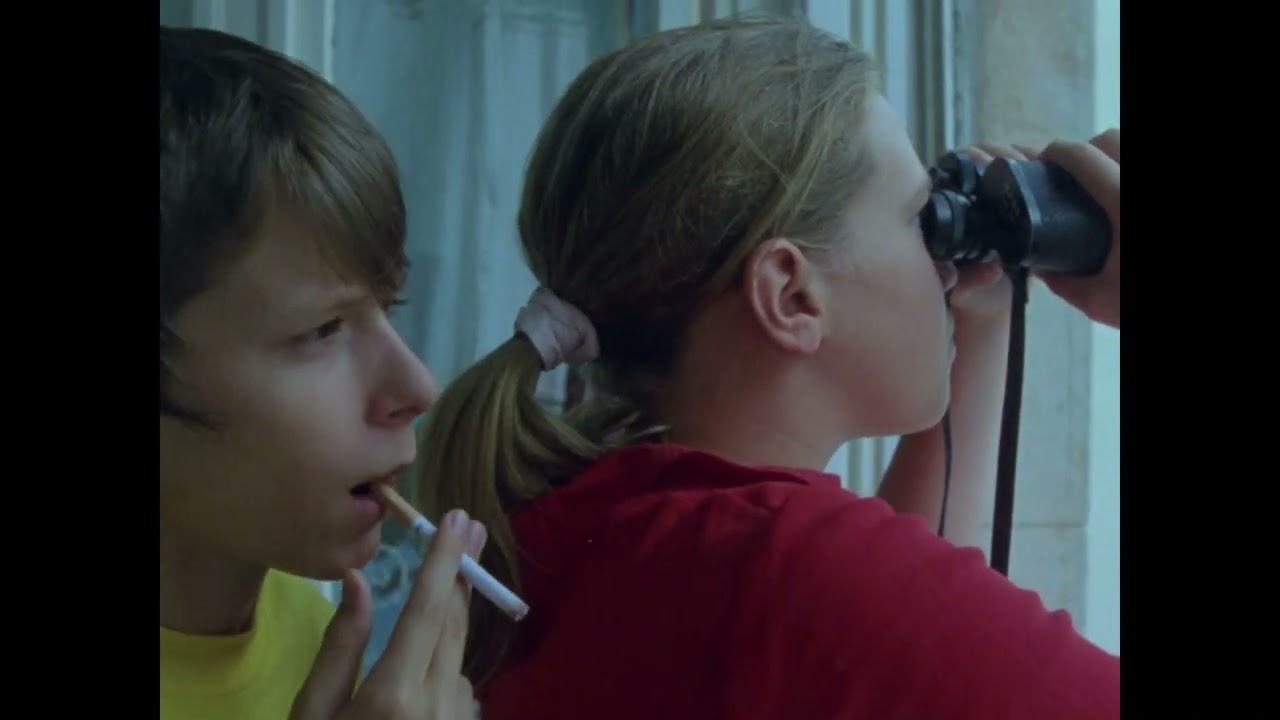
Iva Radivojević's deeply personal third feature transforms trauma into a hypnotic meditation on memory and displacement. Set in 1992 Yugoslavia, the film follows eleven-year-old Lana (Natalija Ilinčić) as she receives a phone call announcing her grandfather's death—a moment that coincides with the outbreak of war and forced emigration. Structured around segments, each triggered by the ringing of a telephone, the film loops back to that pivotal Friday morning at 10:36, creating a fragmented tapestry of recollection that mirrors how memory actually works.
Radivojević, who also serves as editor, production designer, and casting director, maintains complete artistic control over this autobiographical material, crafting a work that feels both intimately personal and universally resonant. The power lies in its understanding that childhood memories of trauma don't follow linear narratives but exist as a series of impressions, emotions, and sensory details that blur together over time. Through grainy 16mm cinematography and meticulous period detail—analog clocks, VHS tapes, chunky phones—the film conjures the transitional period of the 1990s with authenticity and nuance.
Natalija Ilinčić is a standout as Lana, her face becoming an emotional anchor as Radivojević's close-ups capture the melancholy of a child processing incomprehensible loss. The supporting characters, from the anarchist glue-sniffer Vlada to the various neighborhood figures, feel less like fully realized individuals than fragments of time—which is precisely the point. This is memory as archaeology, digging through the sediment of an adolescent's past to uncover not facts but feelings. Songs appear intermittently like a homemade mixtape including a memorable moment involving peeking through binoculars with "Dodirni Mi Kolena" by Zana playing.
Radivojević's approach is affecting, transforming the devastation of a country into a coming-of-age story that doubles as a meditation on identity, belonging, and the stories we shape surrounding our origins. The aesthetic never feels indulgent; instead, it serves the larger project of reconstructing a world that no longer exists except in the minds of those who lived through its dissolution. When the Phone Rang is a meditative, elegantly crafted work that stirs a lot of complicated sensations despite a brief 73-minute runtime, a concentrated viewing experience that transforms personal history into something approaching the universal experience of what it means to change with the times, even when we're not prepared to.
Together (dir. Michael Shanks)
"It’s stuck.”
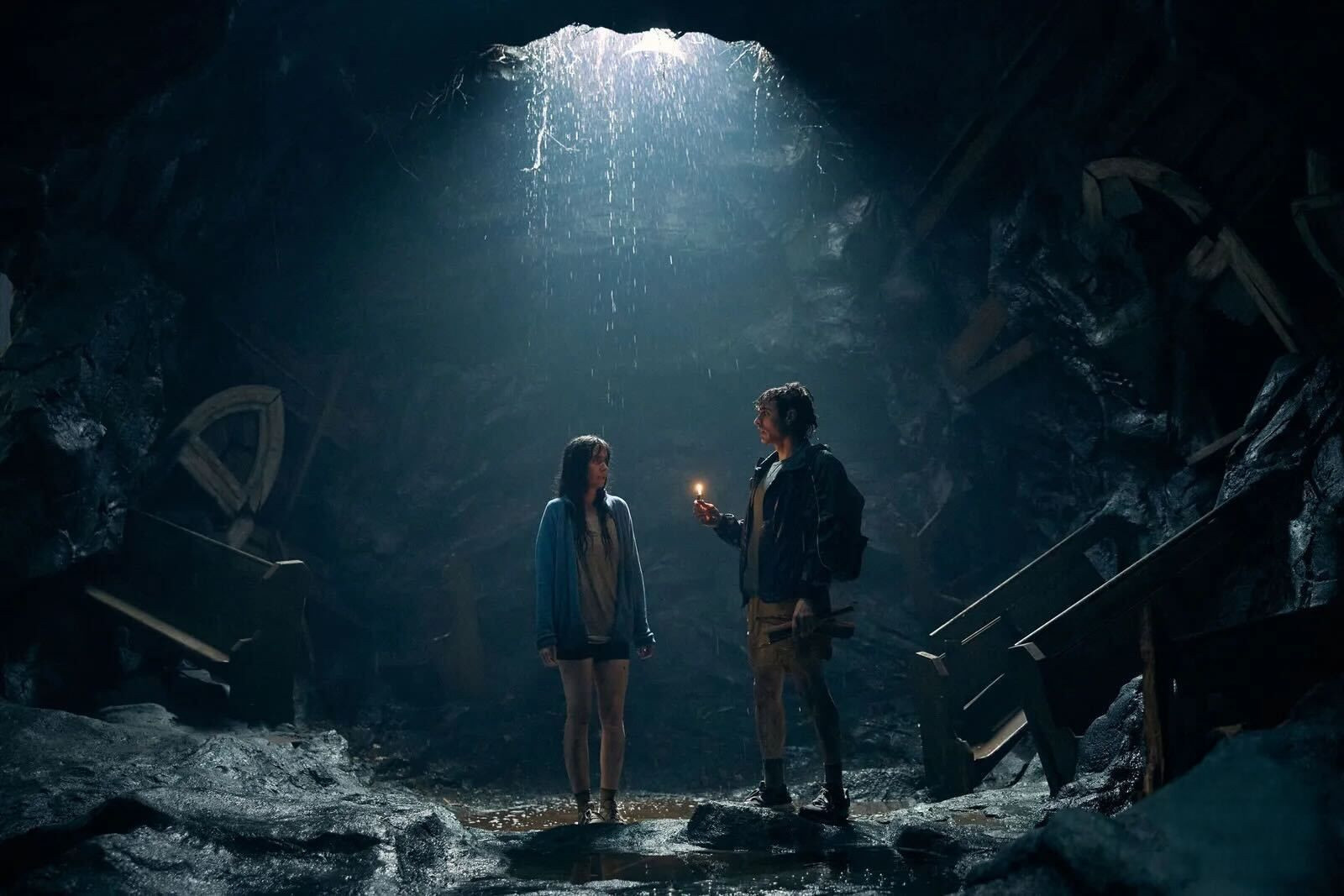
Why bury the lead? My third favorite film of the year so far is a terrific new body horror film about co-dependence called Together. This has been a rough year in a lot of ways, culminating in some scary stuff happening with family. I know a film is a complete success when I completely forget reality because I’m so completely immersed and unnerved in what’s playing on the screen before my eyes (which at times had to be covered while wincing). Relationships… are scary!
Michael Shanks' debut arrives as one of the year's most unsettling examinations of toxic attachment, wrapped in a nasty packaging of Yuzna-esque effects that will leave everyone both laughing and squirming in equal measure. Starring real-life married couple Dave Franco and Alison Brie, this ambitious horror-comedy takes the familiar concept of two people becoming "one" and literalizes it in ways that shake the soul. Especially when you think about how losing someone can cause panic to the point of shared psychosis.
We follow Tim and Millie, a couple whose relationship has reached that suffocating stage where individual identity begins to dissolve into an unhealthy "we." Tim is a struggling musician approaching middle age with little to show for his artistic dreams, while Millie is the practical breadwinner whose teaching career has landed them a fresh start in a rural town. From their opening scene at a goodbye party, complete with matching outfits that signal their enmeshed dynamic, Shanks establishes the uncomfortable intimacy that defines their relationship. Did I mention that yet it’s also quite romantic at the same time?
What begins as a fairly conventional relationship drama takes a sharp turn into supernatural territory when the couple falls into an underground cavern during a hiking trip. After drinking from a pool of water to survive the night in the woods, they discover that their bodies have begun to literally fuse together whenever they're in close proximity. What starts as legs sticking together quickly escalates into full-body integration as their flesh merges and separates in increasingly grotesque ways.
The performances from Franco and Brie are crucial to the film's success and it’s among their best (Franco in particular). Their real-life chemistry translates into a believable portrayal of a couple whose love has curdled into something toxic yet inescapable. Brie brings her considerable comedic talents to bear while never losing sight of Millie's growing frustration, while Franco effectively captures Tim's transformation from selfish man-child to someone genuinely fighting for connection. As the film progresses, Shanks cleverly shifts our sympathies between the characters, revealing layers of manipulation and genuine care that complicate any simple reading of their dynamic.
The overall exploration of relationships gone awry is refreshingly sincere without being heavy-handed. Rather than delivering a thesis on how love can become addictive, Shanks allows the horror elements to speak for themselves while keeping a sense of humor in check. The physical fusion becomes a perfect metaphor for the way codependent couples lose their individual identities, becoming unable to function separately even when their togetherness fuses into one. The pain of separation, both emotional and now literal, drives much of the film's tension.
Together stumbles only slightly is in its final act, where the need to provide explanations for the supernatural elements leads to some clunky exposition and convenient discoveries. The film works best when it trusts its central metaphor to carry the weight of meaning, and the attempts to ground the horror in specific mythology feel unnecessary. Additionally, some trauma-related subplots involving Tim's deceased parents add complexity that doesn't always integrate seamlessly with the main narrative but the monologue delivered by Franco is at least compelling in the moment.
Despite very minor quibbles, it succeeds as an effective horror film and a sharp commentary on relationship dynamics. Together ultimately works because it understands that the most effective horror often comes from recognizable human experiences pushed to their logical extreme. While it may not reinvent body horror, it brings fresh perspective to familiar themes and demonstrates that effective genre filmmaking can emerge from personal experience. The film's blend of comedy, gore, and Cassavetes-level drama creates something that feels genuinely surprising and quite relatable to anyone who has ever felt incomplete without a partner.
For audiences willing to embrace a grotesque premise, Shanks offers an enligtening, visceral exploration of love's darkest impulses. (I know there’s a lawsuit pending about the film’s originality but right now, I’m willing to overlook that in light of how excellent this film is without having seen the other). Together will likely divide viewers based on their tolerance for both graphic body horror and uncomfortable relationship dynamics, but those who connect with its wavelength will find a smart, funny, and genuinely disturbing examination of what happens when two become one in the most literal sense possible. Also, there’s a use of one song in particular that made me howl. Well, surprisingly it wasn’t “Come Together,” but the choice instead is even better.