New Reviews + Short Film Premiere!
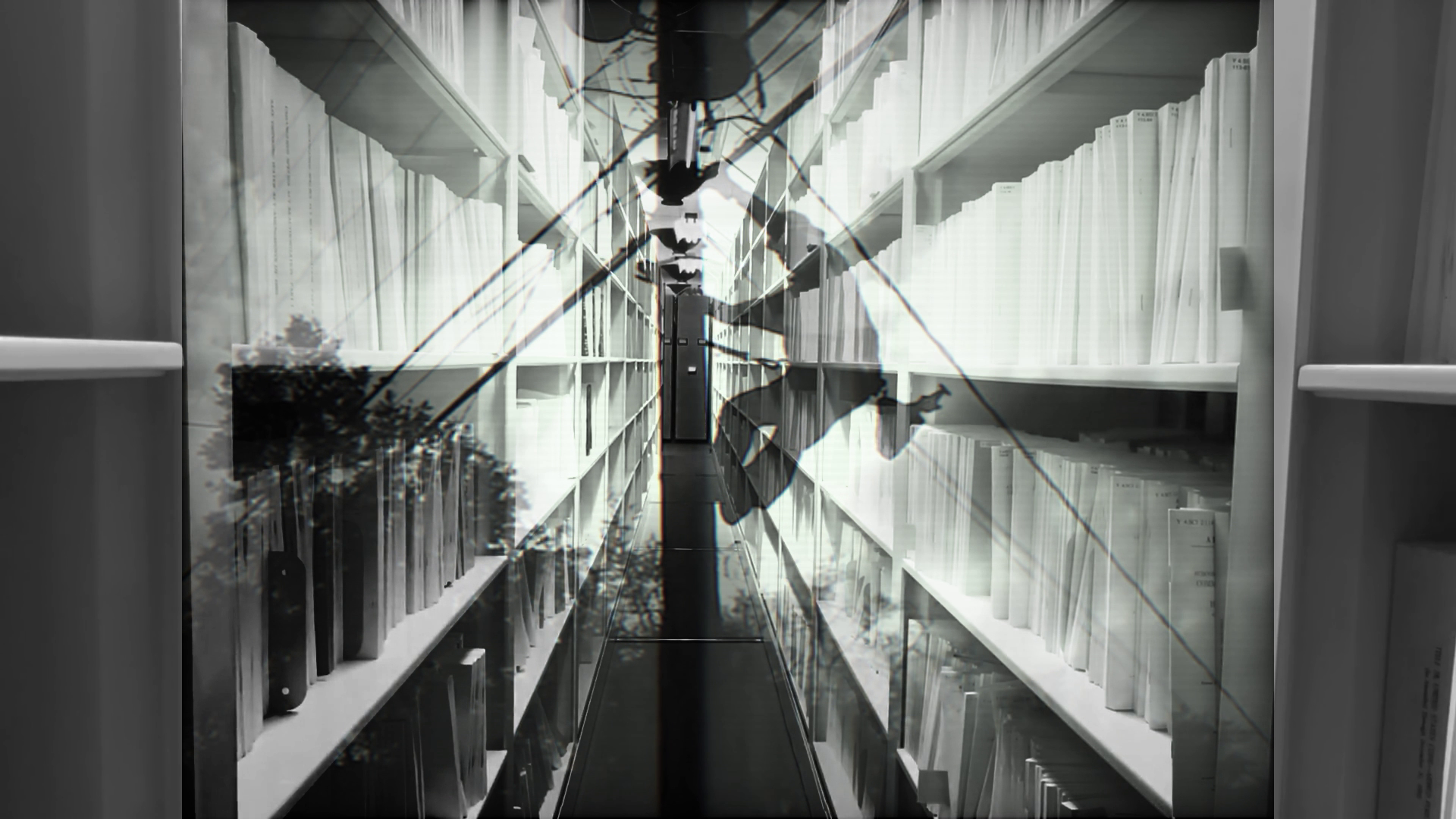
Before we get to three new releases I reviewed, let me relay more info about the upcoming release of my first experimental short film, The Switching Division. After it comes out this Sunday on Vimeo, you’ll be able to log it on Letterboxd!
Available Sunday:
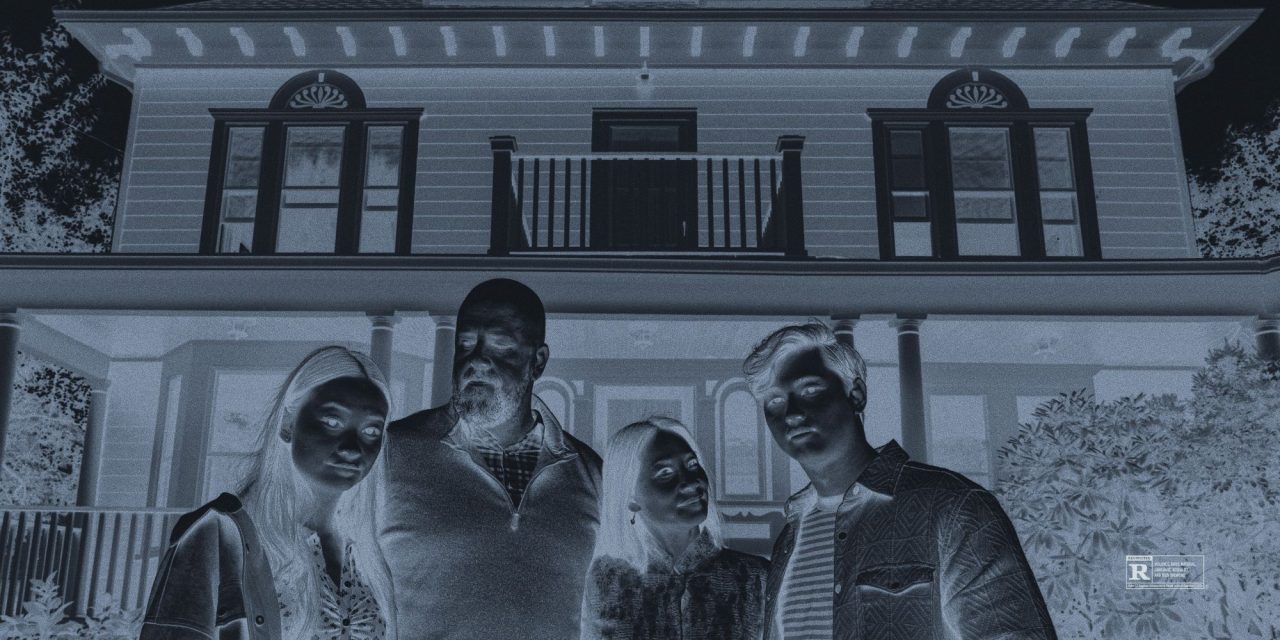
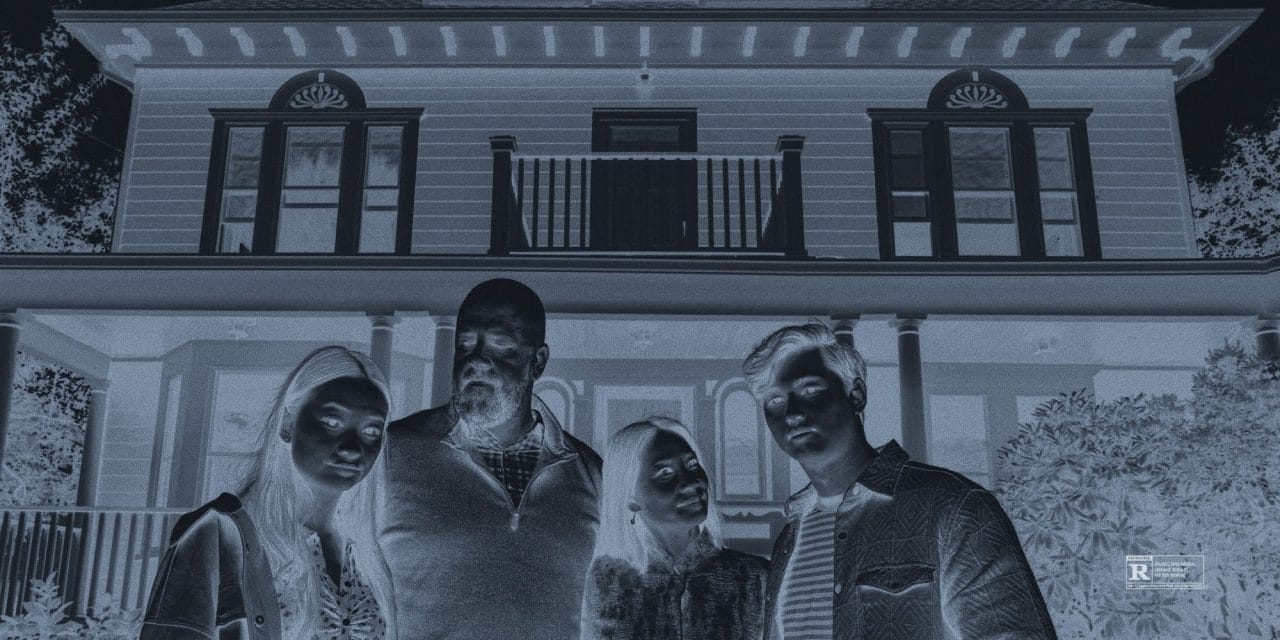
Presence (dir. Steven Soderbergh)
What happens when the watcher becomes the watched? Themes of audiences being implicated as ‘voyeurs’ have been prevalent in movies going all the way back to the days of Powell’s Peeping Tom. In his latest work, prolific storyteller Steven Soderbergh continues his tradition of experimental narrative with Presence, a haunted house narrative that upends convention by telling its story entirely through the eyes of a supernatural entity.
Made on a modest $2 million budget from a script by another prolific scribe, David Koepp, this surprisingly intimate domestic drama wrapped in ghost story trappings demonstrates Soderbergh's ability to innovate within set limits and constraints. Presence slowly burns into a haunting experience of loss and perspective.
Presence follows the Payne family as they settle into their new suburban home, but we experience their story through an unusual lens: the viewpoint of the house's ghostly inhabitant. Through this presence's eyes, we witness the complex dynamics of a family in quiet crisis: workaholic mother Rebecca (Lucy Liu) showing clear favoritism toward her champion swimmer son Tyler (Eddy Maday), while her husband Chris (Chris Sullivan) tries to support their troubled daughter Chloe (Callina Liang), who's grieving the recent drug overdose death of her friend. A lot of the time we are left wondering when someone will come to terms with the past.
Beautifully contained within a tight running time, the film masterfully uses technical restriction to create meaning and psychological depth, with every long take revealing the ghost's internal emotional state. It is a bold take on the idea of the audience being subjected to a point-of-view. Family dynamics and real-world dangers prove more frightening than supernatural elements and the relationship between time and spirit adds fascinating layers to the conflicts, both internal and external.
Rather than relying on traditional scares or found footage techniques, Presence creates tension through observation and implication. The ghost's perspective makes us complicit in the watching, creating an uncomfortable intimacy with this family's private moments. We are more than just flies on the wall. The technical prowess on display is remarkable, particularly in how Soderbergh (serving as his own cinematographer and editor) uses camera movement to convey the ghost's emotional state.
When the presence hovers near Chloe's closet or glides through hallways, we feel its uncertainty, its apprehension, its fear. The occasional technical limitations of the $2 million budget show through in moments, such as slightly noticeable camera movement on stairs, but these barely detract or distract from the overall feeling.
The performances ground the supernatural concept in emotional reality. Callina Liang stands out as Chloe, bringing quiet strength to a character dealing with loss and isolation. Her scenes with Chris Sullivan create a believable father-daughter dynamic that forms the emotional core of the film. Lucy Liu brings surprising complexity to what could have been a one-note role as the distant mother, while Eddy Maday effectively portrays Tyler's casual cruelty.
The film's inevitable shift into more conventional thriller territory in its final act might divide some, but I found it earned its climactic moments through considerate character development. The revelation about the presence's nature adds layers of meaning to earlier scenes, though it also raises questions about the ghost's abilities and limitations that the film doesn't fully address. There are definitely questions to consider and ponder once a “reveal” of sorts occurs.
Presence succeeds as both technical experiment and satisfying (though ambiguous) emotional journey, though a quiet pace and a few mysterious elements may frustrate viewers seeking traditional horror thrills. Paranormal Activity this is not, but could’ve easily served as inspiration for Soderbergh to attempt something differently and he does so successfully.
While not quite reaching the heights of similar genre-bending films like A Ghost Story or other recent experiments like Kimi and No Sudden Move, Soderbergh's latest demonstrates how formal control can enhance rather than damper assured storytelling. For viewers interested in thoughtful explorations of family dynamics through a supernatural lens, Presence offers a uniquely haunting perspective on loss, connection, and the ways we watch over one another. Sometimes for better, sometimes for worse.
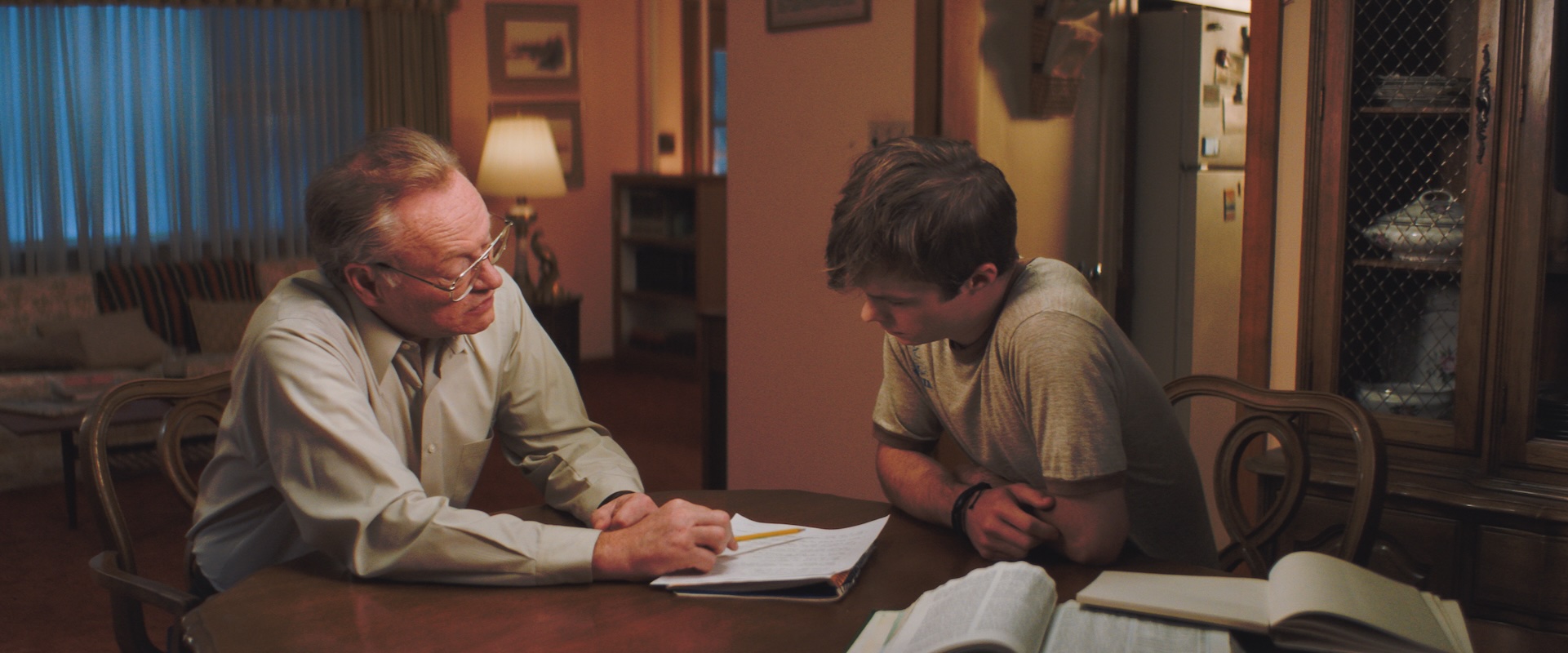
Brave the Dark (dir. Damian Harris)
In an era where inspirational teacher dramas have become their own well-worn genre, Angel Studios' Brave the Dark manages to carve out its own niche through raw authenticity, even as it occasionally stumbles over familiar territory. Sometimes serving up something reliable, albeit with a bit of a surprise late in the game, isn’t always a detriment. Still, there’s only so much that great performances can overcome a rather conventional approach to an unconventional story.
Set in 1986 Lancaster County, Pennsylvania, the film tells the true story of Stan Deen (the consistently great Jared Harris), a beloved high school drama teacher who takes an extraordinary risk by opening his home to Nate Williams (Nicholas Hamilton), a troubled student living out of his car. After Nate is arrested for burglary, Deen sees past the teen's hardened exterior to recognize a wounded soul in desperate need of guidance and support. What ensues is a touching portrait of healing, trust, and the transformative power of unconditional acceptance.
Nicholas Hamilton delivers a fairly nuanced, heartbreaking performance as Nate, a young man haunted by childhood trauma he can barely remember. Living on the margins of society, Nate maintains a precarious balance - excelling in track, dating a girlfriend, and attending classes while hiding his homelessness and anguish from everyone around him. Hamilton brings a welcoming vulnerability to the role, particularly in the film's devastating third act when the full truth of Nate's past finally emerges. It all builds quite effectively even if most of the beats are standard and expected.
Jared Harris matches Hamilton's intensity as Stan Deen, infusing the potentially stereotypical "inspiring teacher" role with subtle complexity. His Deen is no saint - he's stubborn, occasionally short-tempered, and willing to call in favors to help Nate in ways that raise eyebrows among his colleagues. Harris as expected makes us believe in Deen's fundamental goodness while avoiding maudlin sentimentality. The growing trust between teacher and student feels earned rather than prescribed by the plot.
Damian Harris (Jared's brother) brings authenticity to the production by filming in the actual locations where these events took place, including Garden Spot High School and Stan Deen's own house. This commitment to verisimilitude helps ground the story, even when it ventures into darker territory involving domestic violence, suicide, and intergenerational trauma.
Where the film occasionally falters is in its conventional story beats - we've seen many of these narrative developments before in similar films about at-risk youth and the educators who believe in them going all the way back to To Sir, With Love. Some subplots, particularly involving Nate's girlfriend and fellow students, feel underdeveloped and the two-hour running time drags at times. Not to mention a very familiar refrain late in the game you may recall from another film of this ilk when someone tells Stan that it’s not his “fault.”
The film overall transcends some normally tiresome elements through the strength of its central relationship and its willingness to sit with uncomfortable truths about trauma, trust, and redemption. Thankfully, it also doesn't offer easy answers or unexpected character transformations. Instead, it suggests that sometimes the bravest thing we can do is simply show up for someone else, day after day, even when they push us away.
This message resonates particularly strongly given that the real Nate (who co-wrote the screenplay) eventually took Stan's surname, becoming Nathaniel Deen - a testament to the profound impact one person's belief can have on another's life. While Brave the Dark may not break new ground in its genre, it tells its story with enough authenticity from its actors to make it worth seeking out.
Brave the Dark ultimately succeeds not because it reinvents the inspirational teacher drama, but because it presents its familiar elements with sincerity and emotional truth. In an age of increasing cynicism, there's something quietly radical about a film that simply believes in the power of human connection to change lives. While it may not be perfect and a bit longer than it needs to be, it's still a worthy addition to Angel Studios' growing catalogue of films that aim to amplify a modicum of light in the midst of unrelenting darkness.
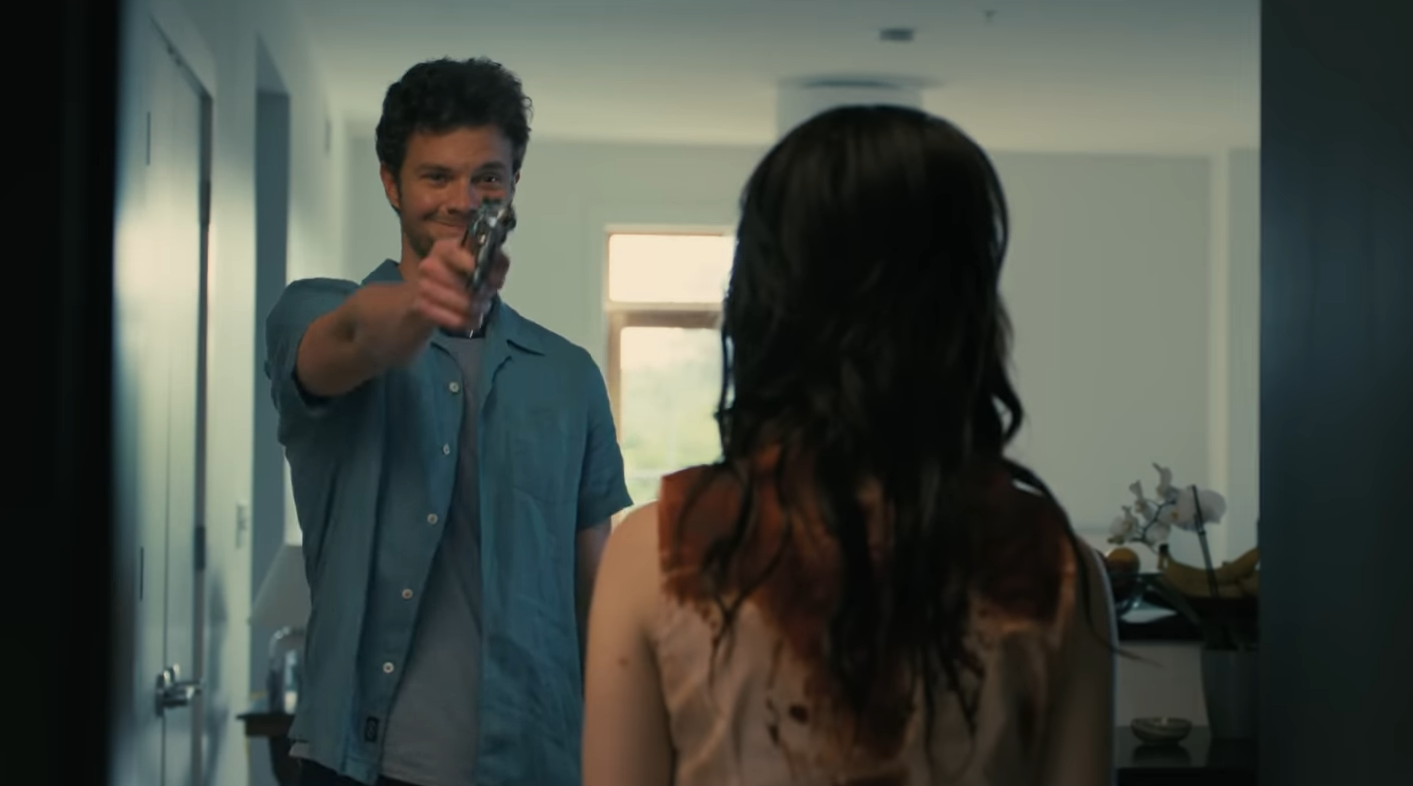
Companion (dir. Drew Hancock)
Drew Hancock's directorial debut Companion is a wickedly clever genre-bending ride that confidently blends elements of sci-fi, horror, dark comedy and social commentary into a wildly entertaining and thought-provoking package to make it the standout film of the year so far. While the film's marketing has already revealed its central premise, the less viewers know going in, the better, as this taut 97-minute feature continues to subvert expectations at every turn. Sure it may cover similar territory as Spike Jonze’s Her, but this is definitely a darker take on the concerns surrounding the future of AI and how it may distort contrasting perceptions of relationship dynamics.
The story begins innocently enough, following new couple Josh (Jack Quaid) and Iris (Sophie Thatcher) as they head to a luxurious lakeside estate for a weekend getaway with Josh's friends. Iris feels anxious about fitting in with the group, which includes wealthy Russian Sergey (Rupert Friend) and his girlfriend Kat (Megan Suri), along with couple Eli (Harvey Guillén) and Patrick (Lukas Gage). But there's a good reason for her unease - Iris is actually an advanced AI companion robot, programmed to be the perfect girlfriend for Josh. One might think this is simply going to go down similar territory as Alex Garland did with Ex Machina, but there are surprises to be had.
This revelation, which comes early in the film and in the trailer reveal, sets up what could have been a straightforward cautionary tale about artificial intelligence. Instead, Hancock uses this familiar premise as a launching pad to explore deeper themes about relationships, control, toxic masculinity, and what it truly means to be human. The script cleverly plays with conventions, delivering a couple of shocks that feel earned rather than manipulative.
Sophie Thatcher gives another mesmerizing central performance as Iris, bringing remarkable nuance and humanity to a character discovering her own agency and identity. It’s clear that between this and Heretic, she’s a scream queen in the making. Her subtle facial expressions and mannerisms perfectly convey Iris's internal struggle as she grapples with her artificial nature and programmed limitations. Jack Quaid also impresses here, using his natural charm to mask Josh's more sinister qualities, creating an effectively unsettling portrait of casual misogyny hiding behind a "nice guy" facade.
While I can see many having quibbles with certain plot logistics or character decisions in the third act, these minor issues don't detract from the film's overall impact. Hancock has created something thoroughly engaging here - a genre film that works both as pure horror entertainment and as a sharp commentary on contemporary relationships and our dependence on technology.
Companion announces Hancock as a filmmaker to watch even if there are last act issues where it gets a little out of control. It's still the kind of smart, accessible genre piece that should satisfy both casual viewers looking for thrills and those seeking deeper thematic resonance to talk about over dinner. In an era where discussions about AI and human relationships are increasingly relevant, Companion offers a compelling exploration of these issues while never forgetting to entertain. It's the rare genre film that actually becomes more interesting upon reflection, inviting discussion about its implications long after the credits roll.
This is not just another straightforward horror film, it offers something far more interesting: a genuinely fresh take on familiar themes that manages to be both crowd-pleasing and even a bit creepy and gory. Thatcher, again is the star of the show, proving once again she really knows how to keep us engaged with simple, subtle gestures while also going-for-broke when the time comes. For viewers willing to go along with its twists and turns, it provides a uniquely engaging experience that showcases exciting talent both in front of and behind the camera.