New Movie Reviews (August 2025)
Highest 2 Lowest (2025) (dir. Spike Lee)
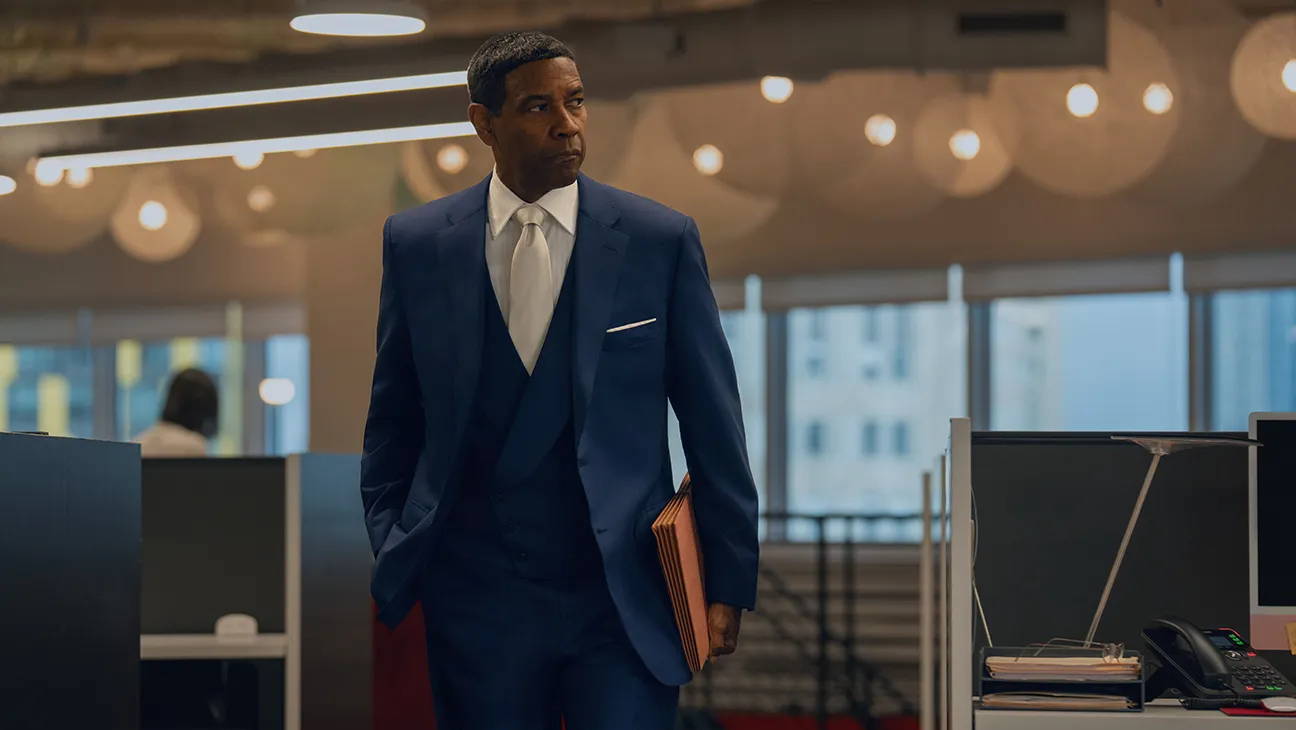
After nearly two decades apart, Spike Lee and Denzel Washington reunite for Highest 2 Lowest, an energized, jazzy reimagining of Akira Kurosawa's masterful High and Low. While the collaboration doesn't quite reach the heights of their previous work together, it delivers yet another strong, compelling character study anchored by Washington's powerhouse performance. Throughout the entire running time, I just kept thinking to myself, “Fucking Denzel. He just owns every scene and does something interesting at every turn.”
Washington plays David King, a legendary music mogul facing the twilight of his career as he attempts to buy back his record label, Stackin' Hits Records. When a kidnapper mistakenly takes the son of his chauffeur and closest friend Paul (Jeffrey Wright) instead of his own child, King faces an agonizing moral dilemma: sacrifice his financial future to save someone else's son, or protect his empire and let an innocent child die.
The film stumbles just a tad in its opening act, with static staging and the Lee’s tendency to rely on a rather intrusive orchestral score threatening to derail the proceedings. However, once Lee moves the action from King's penthouse to the streets of New York, Highest 2 Lowest finds its rhythm and it is pure cinema at its finest. About a half hour in, there’s simply no denying that Lee can still make a vital story come to life without losing his signature moves that make even his weaker films compelling. A thrilling subway ransom sequence, complete with rowdy Yankees fans and cross-cutting to a Puerto Rican Day parade, showcases Lee at his most kinetic reminding me of the strongest moments of Inside Man.
Washington delivers his finest work in years, embodying King's narcissism, vulnerability and ultimate decency with remarkable nuance. Jeffrey Wright matches him beat for beat as Paul, whose reserved, quiet suffering and barely contained rage provide the film's emotional core. A$AP Rocky also makes a memorable impression as the kidnapper, bringing unexpected depth to what could have been a conventional, stock villain role.
Basically, this is a Spike Lee joint for devotees that have been hoping for him to step up to the plate again. For the most part, he knocks it out of the park though again, if you’re not a fan of “bluntness” and his tendency to spell it all out directly, you may roll your eyes. I know I sure did with Bamboozled but I owe that one another look since I dismissed it at the time.
While Highest 2 Lowest never quite achieves the sustained brilliance of Kurosawa's original or Lee's best work, it succeeds as both an entertaining thriller and a meditation on class, loyalty, and redemption. It’s certainly one of the year’s standout thrillers that I hope people catch in the theater. Really, this is just a great time at the movies that I desperately needed and hoped for. The reunion of these two master talents reminds us why their collaborations have always been cinematic events worth celebrating and supporting.
Weapons (2025) (dir. Zach Cregger)
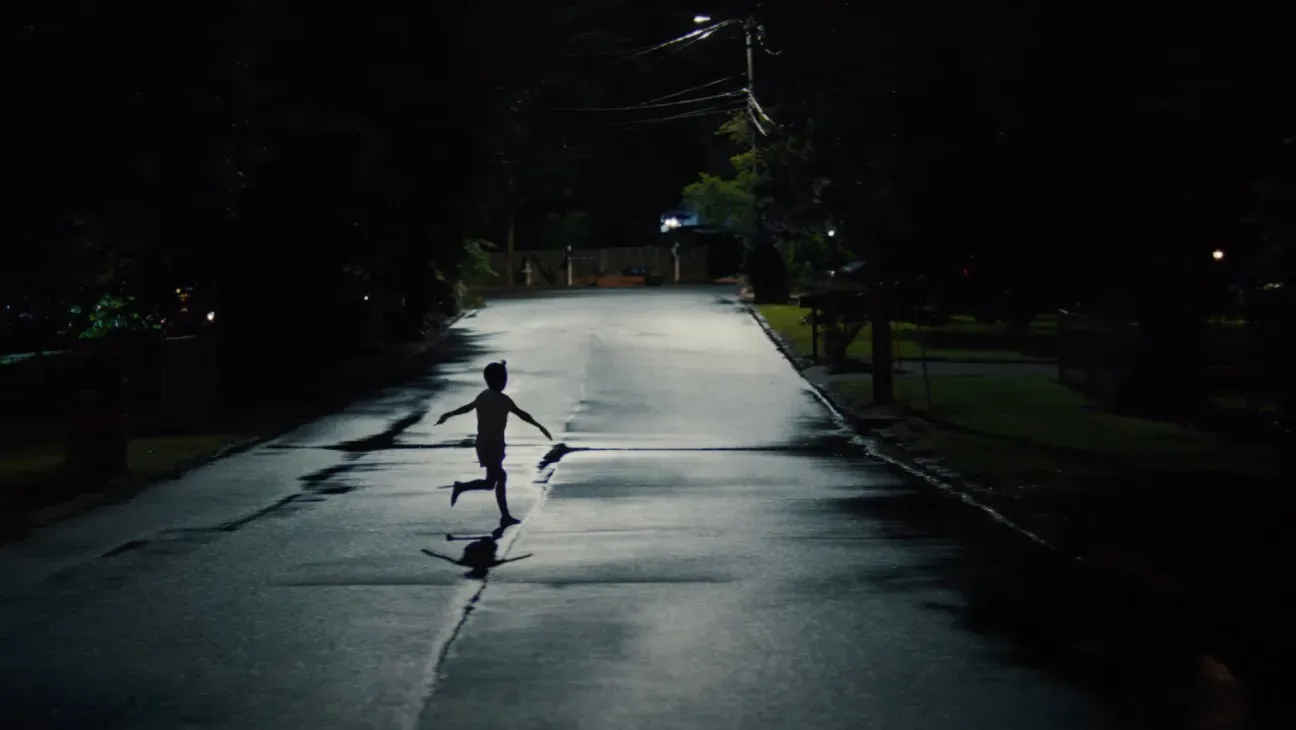
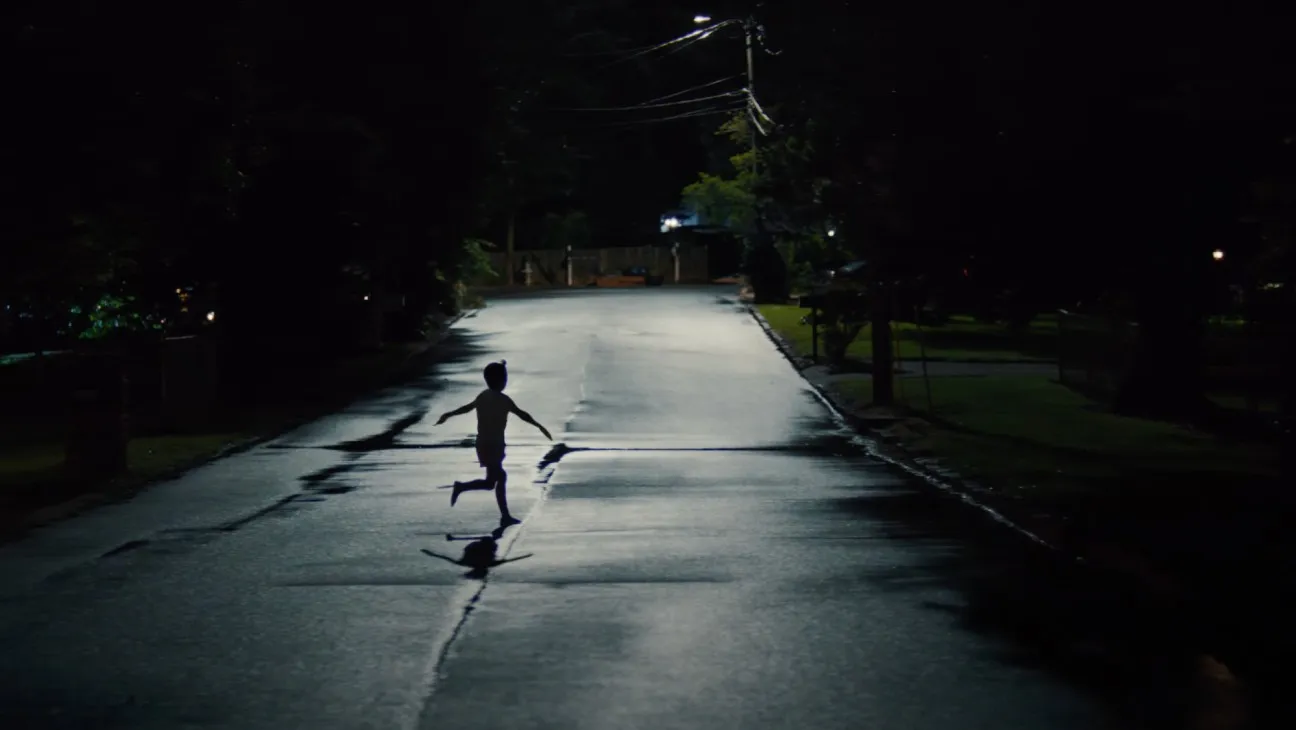
Zach Cregger follows up his breakout hit Barbarian (a movie I quite liked) withWeapons, an ambitious, extremely effective horror film that weaves multiple perspectives into a haunting mystery about a small town's darkest nightmare. Simply put without spoilers: Seventeen third-graders vanish simultaneously from their Maybrook homes at 2:17am, running into the night with arms outstretched like airplanes, the community fractures under the weight of grief, suspicion, and mounting paranoia.
Cregger employs a Pulp Fiction-style narrative structure, exploring the tragedy through different viewpoints. Julia Garner delivers a compelling performance as Justine, the children's teacher who becomes the town's primary scapegoat, her sections playing like a paranoid ghost story. Josh Brolin brings righteous fury to Archer, a grieving father whose desperate search for answers drives the film's thriller elements. Supporting characters, including a conflicted police officer (a great Alden Ehrenreich) and a homeless addict (Austin Abrams), add layers of dark comedy and suburban horror atmosphere.
The film's greatest strength lies in Cregger's masterful tonal balance. Weapons seamlessly blends genuine scares with unexpected humor that feels organic rather than forced, creating moments where audiences laugh not despite the horror, but because of how authentically characters react to impossible circumstances. The practical effects work is exceptional, and a rather unexpected casting choice delivers a memorably bizarre performance as the mysterious Gladys (far more effective than what Cage did in Longlegs).
I loved the film overall, especially once we get to the final act, but the multi-perspective approach occasionally works against the film's momentum, with some character segments feeling more essential than others. While the finale delivers a spectacular, crowd-pleasing reign of chaos, the mystery's resolution may feel anticlimactic to viewers who've correctly guessed what’s happening early on. Perhaps to tell this story in a straightforward manner might’ve been less interesting and the best thing about Weapons is that any one can project themselves onto what it means to “weaponize” a child, depending on their history, psychology and their response to what’s been going on sociologically.
Weapons succeeds as both a visceral horror experience and a thoughtful exploration of how terror ripples through communities. It’s one of the year’s better horror films to be sure and I’m eager to see it again, listen to people talk about it and read other theories (I have my own but it contains spoilers). Cregger proves his directorial prowess extends beyond basement scares, crafting a film that lingers long after the credits roll. We should all beware of darkness, especially since it can come from anywhere and ultimately take away the innocence of children to a damaging degree.

Americana (2025) (dir. Tony Tost)
Tony Tost's directorial debut Americana is a lively genre-bending Western crime thriller that deconstructs the mythology of the American frontier while delivering a compelling crime thriller. Set in the dusty expanses of South Dakota, this tense comic caper revolves around various parties attempting to steal a sacred Lakota ghost shirt worth $500,000 on the black market.
The film's ensemble cast delivers uniformly strong performances, with Sydney Sweeney particularly compelling as Penny Jo, a stuttering diner waitress with Nashville dreams. The ubiquitous Paul Walter Hauser brings both vulnerability and determination to Lefty, an Afghanistan veteran whose repeated attempts at marriage proposals provide some of the film's most tender moments.
Halsey sure proves herself a capable dramatic actress as Mandy, a woman trapped in an abusive relationship who becomes the story's moral center through her fierce devotion to her delusional younger brother Cal, who believes he's the reincarnation of Sitting Bull. Finally, not enough can be said about Simon Rex as a screen presence especially as of late, even when reduced to a villain bragging about his stature and possessions during a negotiation.
Tost demonstrates remarkable restraint for a first-time director, allowing his characters to breathe within the frame rather than overcomplicating the narrative. The film's non-linear structure unfolds naturally (oddly enough a lot like Weapons), weaving together multiple storylines with the precision of an Altman production. Most impressively, Americana avoids the white savior complex that plagues many Westerns, instead offering thoughtful commentary on cultural appropriation while centering Indigenous voices through Zahn McClarnon's commanding performance as Ghost Eye.
The film's violence is often brutal but purposeful, serving the story's themes about the cost of American dreams deferred. When the inevitable confrontational shootout arrives, it carries the weight of both cinematic history and real historical trauma, echoing the brutality with which the West was won. At the same time, it doesn’t sacrifice dark comedy and character investment to where it could’ve easily been reduced to a genre exercise.
Americana succeeds as both an entertaining crime thriller and a nuanced critique of American mythology. While its dark humor and graphic violence won't appeal to all audiences, those who appreciate films like No Country for Old Men or the more recent The Last Stop At Yuma County will find much to admire in Tost's confident debut. It’s not on the caliber of the Coens or Tarantino but it’s just another solid piece of escapist entertainment that works on multiple levels. It's a film that understands the Western crime genre deeply enough to turn it inside out and offer something new and compelling.
Anxiety Club (2025) (dir. Wendy Lobel)
With a title like that, how can I not view and review this film! Especially since lately, I’ve been chock-full of anxiety regarding my mother’s deteriorating health. This one certainly provided solace, laughs and some inspiration at a time when I needed it, so I hope others make an effort to watch this on-demand.
Wendy Lobel's documentary Anxiety Club offers a warm, intimate and surprisingly uplifting exploration of mental health through the lens of stand-up comedy. By focusing on comedians who openly struggle with anxiety, the film creates a safe space where vulnerability meets humor, resulting in a deeply human portrait of one of America's most common mental health conditions.
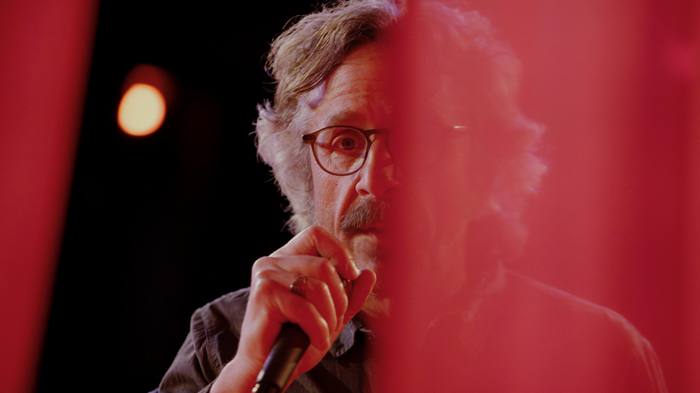
The documentary features a compelling roster of comedians including Tiffany Jenkins, Marc Maron, Joe List, Mark Normand, Baron Vaughn, and Eva Victor (writer/director of Sorry, Baby). (One quibble is that I wish Bill Hader had been included here given his openness and history with panic attacks in particular). Each brings their distinct voice to discussions about how anxiety shapes both their personal lives and professional material. What emerges is not just a collection of testimonials, but a genuine community of people finding ways to transform their pain into connection.
Jenkins is the film's emotional anchor, allowing cameras unprecedented access to her therapy sessions with Dr. Natalie Noel. Watching Jenkins undergo exposure therapy provides the documentary's most powerful moments, particularly when her therapist warns, "Don't confuse anxiety with love." These sessions demonstrate the exhausting but necessary work of mental health recovery, showing that healing is possible but requires courage and commitment.
Lobel strikes an impressive balance between comedy and gravity. The film never minimizes the real suffering these performers experience, yet it finds genuine moments of levity that feel earned rather than forced. The comedians' natural ability to find humor in mental health issues becomes both their coping mechanism and their gift to audiences who recognize their own struggles reflected on screen.
While the documentary could have delved deeper into why anxiety seems particularly prevalent among comedians, it succeeds brilliantly at its primary mission: creating empathy and understanding. The film doesn't offer simple solutions or universal fixes, instead presenting a range of crippling examples of sheer panic while highlighting the importance of support systems that also acknowledge the individual nature of mental health journeys.
Perhaps yes, it’s mostly a talking heads approach to a documentary but the stories told are insightful and relatable, especially for someone like myself who struggles with both depression and anxiety. I can see a detractor possibly thinking this could’ve just been a podcast rather than a film, but personally, I like watching people express themselves (particularly comedians) just as much as listening to them. The therapy sessions are great and makes me eager to eventually finish my own mental health documentary as difficult as it’s been.
Anxiety Club argues that while an affliction like this isn't our fault, managing it is our responsibility as challenging as it can be on a daily basis (especially given the current political climate we find ourselves in). For anyone who has ever felt overwhelmed by apprehension or debilitating fear or known someone who has, this documentary offers both comfort and hope, proving that sometimes the best medicine really is laughter shared with others who understand.