
The Appointment (1982) (dir. Lindsey C. Vickers)
A true discovery that I experienced on Halloween with my partner, and we couldn't stop singing its praises. The Appointment is one of my new favorite films.
During the landscape of early 1980s horror, where slashers ruled the box office and practical effects pushed boundaries of gore, Lindsey C. Vickers' The Appointment arrived as something altogether different—and was promptly ignored. This obscure British horror film, which never secured theatrical distribution and was quietly dumped onto VHS, represents perhaps the final gasp of what might be called "Psycho-Aestheticist" horror: films that prioritize aesthetics, unease, and visual poetry over jump scares and gore. The Appointment is unlike any film I’ve ever seen before, and it won’t leave my mind.
The plot could fit on an index card. In fact, the description on Letterboxd reads: "Prophetic nightmares precede a family’s confrontation with an evil, unseen force." Ian (Edward Woodward), a company director in beige V-neck knitwear, must break the news to his teenage daughter Joanne (Samantha Weysom) that he'll miss her violin recital due to a business appointment. That's essentially it. Yet in Vickers' hands, this domestic disappointment becomes the framework for one of the most unsettling horror experiences of its era. Is this a story about a spirit summoned by a rage-filled teenage girl? Are we trapped in Ian’s dream? There is no clear answer and the film is better for it.
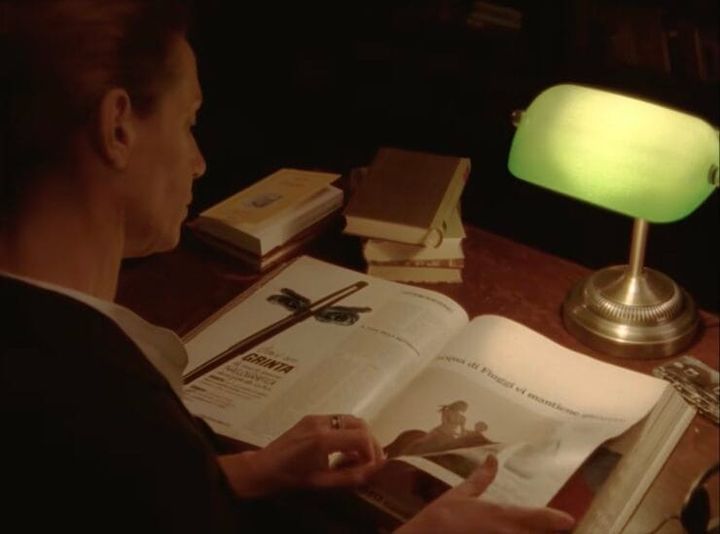
What makes The Appointment so distinctive is its setting: not the gothic castles and flowing capes of Hammer tradition, but a 1920s Mock Tudor house in Gerrards Cross, occupied by a thoroughly modern (for 1981) family. Ian and his wife Diana (Jane Merrow, in tight Pierre Cardin jeans) represent comfortable middle-class British suburban malaise, and it's precisely this mundane normalcy that Vickers weaponizes.
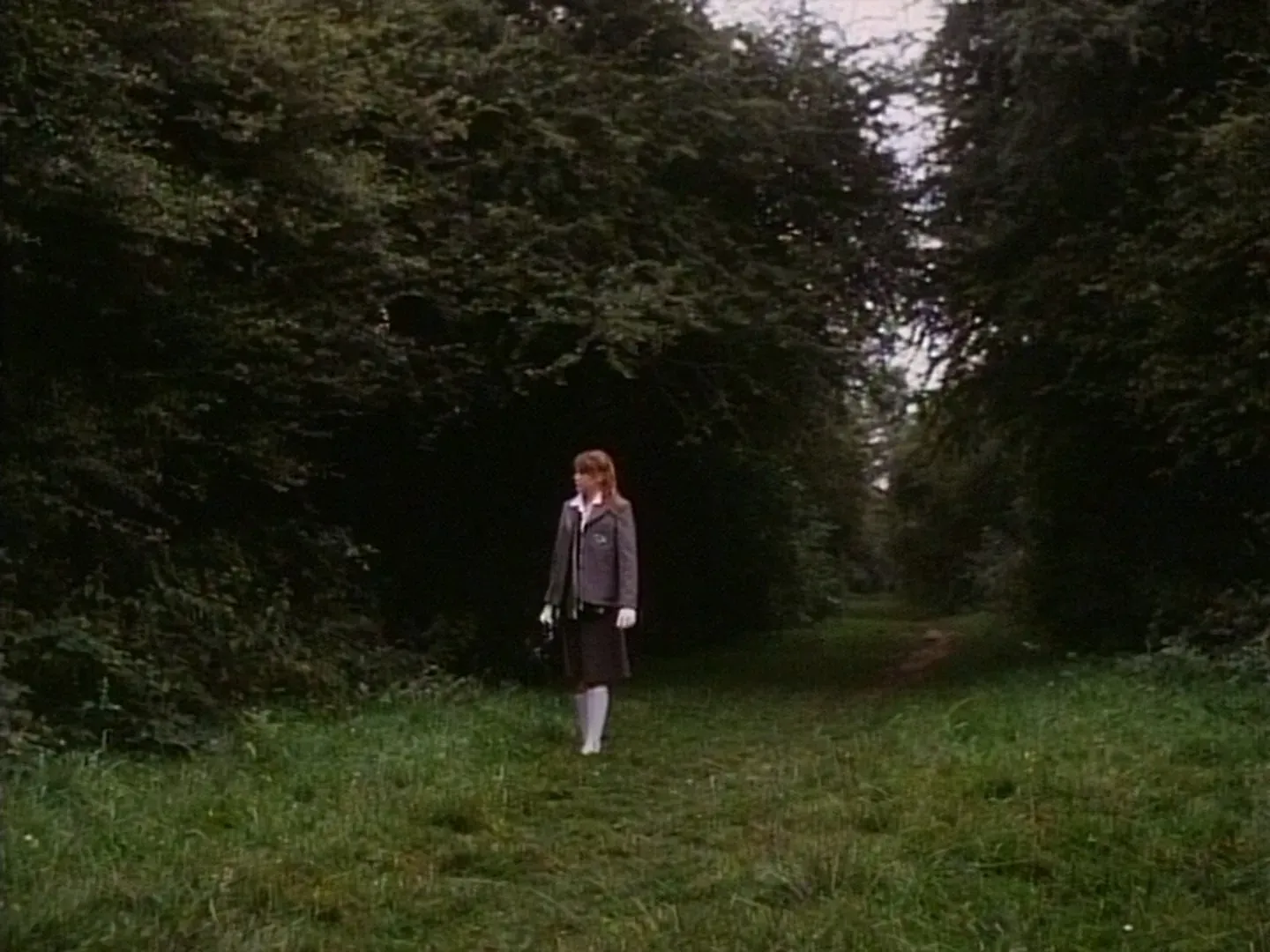
The film opens with a prologue set "THREE YEARS AGO," showing a young girl taking a forest shortcut home after orchestra rehearsal. She's pulled into the trees by something unseen, her violin left smashed on the ground. Flash forward to the present, and we meet Joanne, the star violinist at the same school, who stops by the now-fenced-off trail to speak with someone—or something—we cannot see.
The true horror of The Appointment lies in the uncomfortable dynamic between Ian and Joanne. She's described as having "some sort of unhealthy dependence on her father," and the film plays this tension with remarkable restraint and intelligence. When Ian must explain that he'll miss her recital, the scene stretches agonizingly—what should take twenty seconds extends to four minutes of calm, measured dialogue while Joanne's eyes bore into her father's. No tantrum, no slammed doors, just mounting edginess and apprehension that becomes almost unbearable.
Later, Ian stands outside his daughter's bedroom, debating whether to comfort her after their argument or is there more to the “picture.” The camera cuts between his concerned, uncertain expression and Joanne lying awake in bed, the barest hint of smugness on her face. She's waiting. Expecting. The scene is palpable with unspoken meaning and I was unnerved by it.
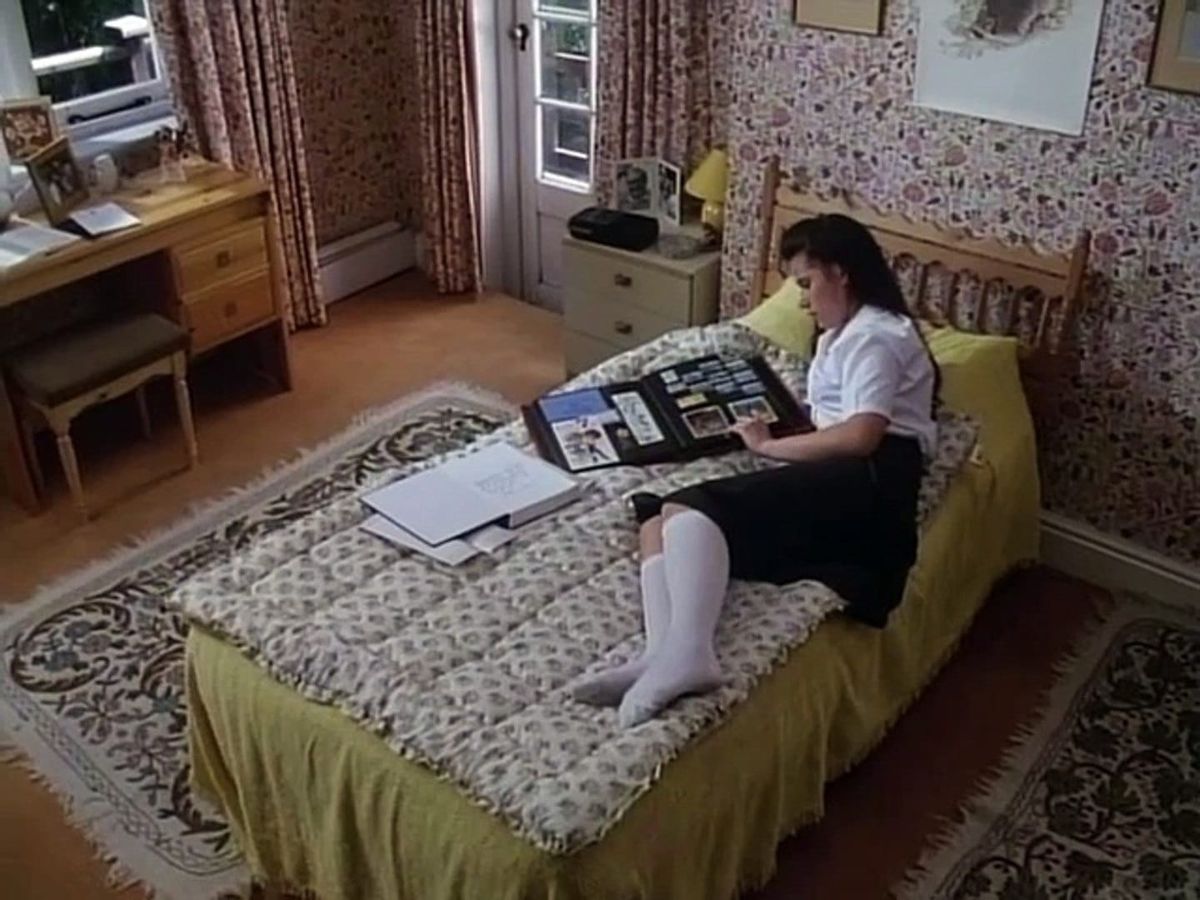
Crucially, the film never makes explicit what it's suggesting. Is Joanne telekinetic, like Carrie? Is Ian an abusive father? Or is this all filtered through Ian's perspective—his fear of his daughter's emerging sexuality, symbolized by the flowers that bloom throughout the film, adorning Joanne's wallpaper and bedspread? When Diana mentions she'd appreciate a phone call from Ian during his trip, he grunts and closes his eyes, more concerned with calling Joanne. Diana's gaze lingers just long enough to communicate everything.
The Appointment is a film built on deliberate execution rather than concept. Vickers, who as far as anyone knows never made another feature, demonstrates an extraordinary command of cinematic language. He favors long, static still shots that force viewers to sit with their discomfort. Combined with a trippy synthesizer score (with violin motifs that gain thematic resonance from Joanne's recital), stilted performances that feel deliberately off-kilter, and casually bizarre imagery, the film achieves something genuinely chilling.
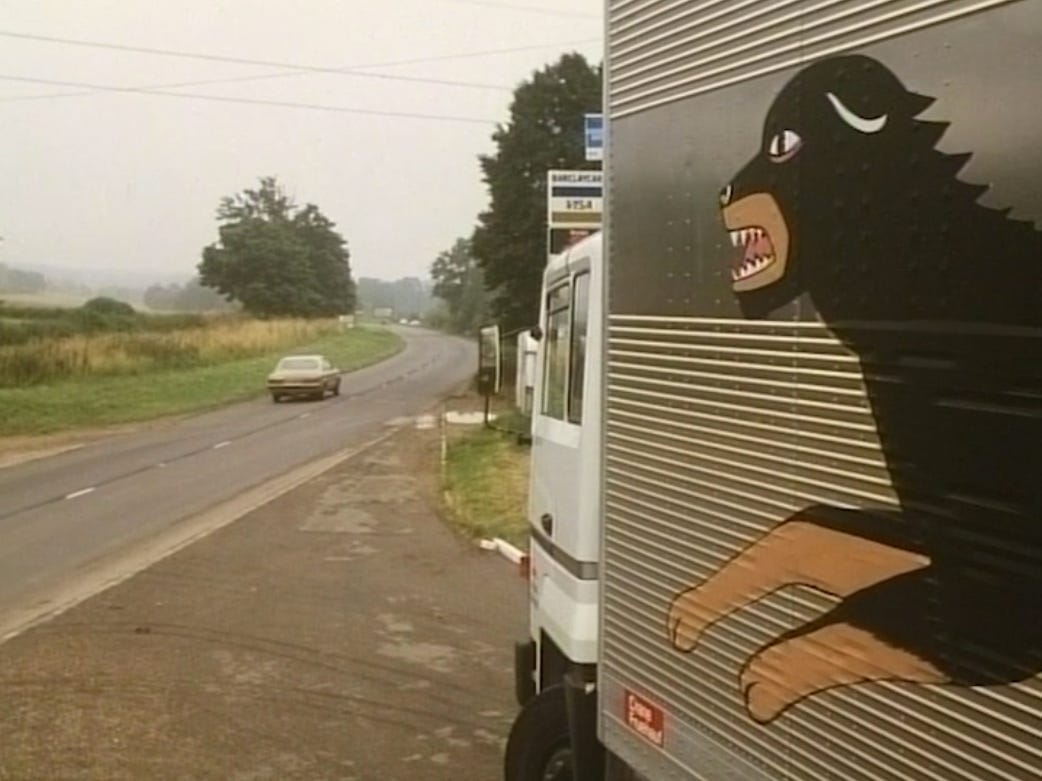
Edward Woodward, beloved by horror fans for The Wicker Man, delivers another composed performance as a practical man being pulled into a vortex of inexplicable terror. He spends much of the film wandering his house unable to sleep, plagued by vivid nightmares of savage dogs and car accidents. These rottweilers become the film's primary symbol of threat—if Joanne is a blooming flower, the dogs represent the forces that might destroy her innocence, or perhaps Ian's fear of what that blossoming means.
There's also a bewildering subplot involving Ian's car, which seems to be possessed or cursed. In one sequence worthy of Final Destination, Ian turning the ignition on his rental car somehow causes the death of a mechanic working on his actual vehicle perhaps in a flashback? This connection is "pretty much impossible to explain or rationalize even in a horror film," yet it adds to the mounting sense that reality itself is becoming unmoored.
This all builds to an extraordinary finale that uses a familiar horror set piece—the kind that's appeared in countless other films—but renders it with such intensity and detail that it becomes the definitive version. The sequence is so insane, so meticulously constructed, that you think the film couldn't possibly top it. Then comes the coda, involving a forgotten watch gifted by Joanne, that seals Ian's fate in a moment of absurd yet devastating horror.
This is not a film for viewers seeking conventional scares. There are no jump scares, no screaming teenagers, no monsters lurking in shadows. Instead, The Appointment offers the slow burn of fear, the accumulation of small details and running symbolism that creates an atmosphere of wrongness that lingers long after viewing.
The mystery of Lindsey C. Vickers adds another layer of intrigue to The Appointment. After this film failed to secure distribution, he produced a BBC miniseries adaptation of Percy Shelley's Zastrozzi and co-produced an Aardman Animation short, both in 1986, then vanished completely from the film world. His only other known work is The Lake, a 33-minute short from 1978 that played before screenings of Chuck Norris' A Force of One.
That a filmmaker capable of such sophisticated horror craft simply disappeared is frustrating and baffling. The Appointment demonstrates enormous talent—the brilliant combination of cinematography, music, editing, sound design, and pacing shows a director who understood exactly how to manipulate audience psychology. If any element had been out of place, the spell would have broken. Instead, everything is orchestrated in concert to create something genuinely surprising.
The Appointment arrived at the wrong moment in horror history. By 1981, the genre had been codified by the success of Halloween and Friday the 13th. Distributors wanted marketable thrills, not slow-burn psychological mysteries. The film's confusing structure and defiance of horror tropes made it commercially unviable, and it was dumped onto video with misleading cover art that promised something far more conventional than what the film delivers.
In many ways, The Appointment represents the final example of 1970s-style art horror—films like Messiah of Evil, Don't Look Now, Let's Scare Jessica to Death, and Hour of the Wolf that used psychological stories as launching pads for experiences driven by heightened technique, symbolism, and aesthetic intoxication. These films banked on haunting mystery and uncertainty, letting audiences' minds expand upon the story rather than spelling everything out.
The Appointment isn't perfect (it’s definitely slow) but it manages to consistently coast on dread, atmosphere, mood, tension. Samantha Weysom's performance in particular as Joanne is adequate but unremarkable—she has an airy voice that works for the creepy-child role but strains credibility. The car and repair shop subplot, while atmospheric, refuses to cohere into sense leaving one scratching their head. But none of that matters when the cinematography and everything surrounding the story is so remarkably confident and jaw-dropping throughout.
This is an experience that deserves to be discussed alongside other underseen horror masterworks, debated and analyzed by genre enthusiasts. Every viewing reveals new details to admire—the way flowers appear in nearly every frame once you start looking for them, the subtle ways the film suggests multiple interpretations without committing to any, the extraordinary control of pacing that makes simple scenes unbearable with tension.
The Appointment is a wonderfully uncomfortable and satisfyingly mysterious horror film that teases and challenges viewers with its refusal to conform. It won't resonate with everyone—its languid pacing and ambiguous symbolism require patience, focus and engagement. But for those attuned to its frequency, it delivers one hell of a wallop especially since it’s a slow burn that has a memorable payoff. I was so taken aback by images and directorial choices that they invaded my dreams the night after. That’s the sign of a film having true power and resonance.
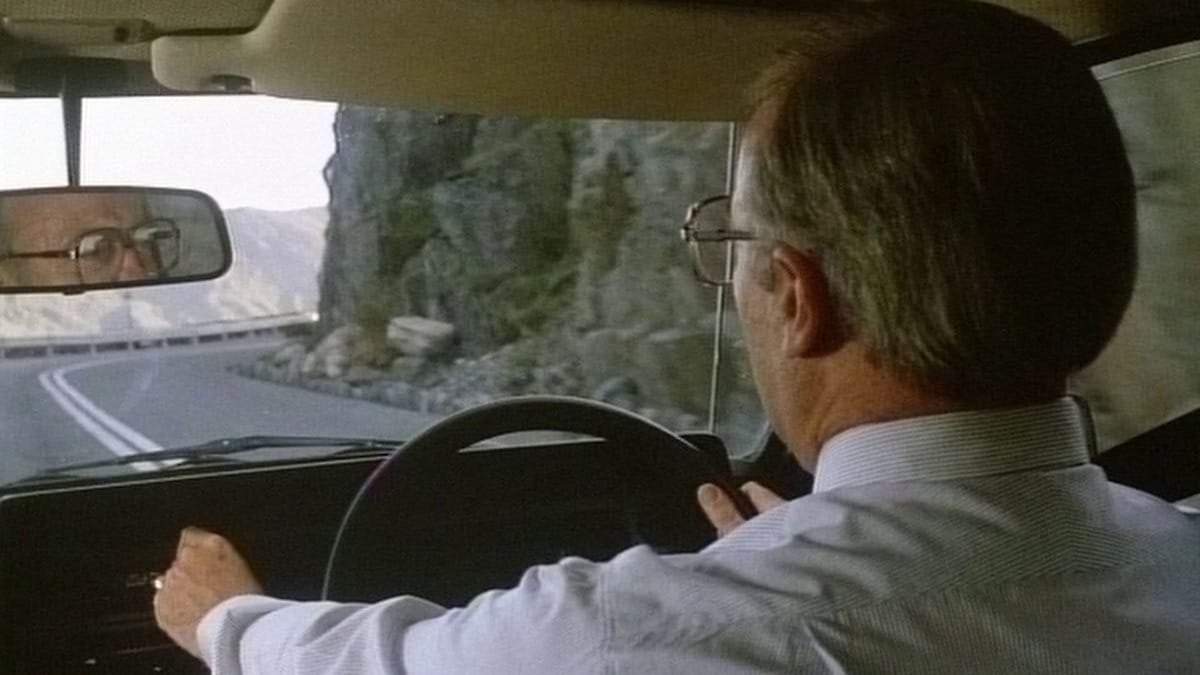
In an era when horror has become increasingly self-referential and dependent on formulaic takes on trauma, The Appointment stands as a reminder of what the genre can achieve when a filmmaker trusts atmosphere over explanation, suggestion over exposition, and psychological unease over visceral shock. It's a film that treats its audience as intelligent, that respects the power of restraint, and that understands that the most terrifying horrors are often the ones we glimpse only in the rearview mirror.
Comments ()