
New Movie Reviews (July 2026)
Time to catch up! I'll briefly begin with what my favorites of the year are so far and then launch into 4 new movie reviews that I'm excited to share!
It's the midway point of the year and it's always good to take note of what has stood out so far. The five films that I implore everyone to seek out that I've loved the most are all unconventional and surprising to say the least. Since I saw Nirvanna The Band The Show The Movie last year and put it high on my list, that explains its absence for this year. Aside from that here are my five favorites of 2026 so far (haven't seen as much this year and still need to catch up with a lot). Right below these five picks are reviews of new movies out this month! Coming soon: podcasts, new music/videos and hopefully a bonus commentary track too!
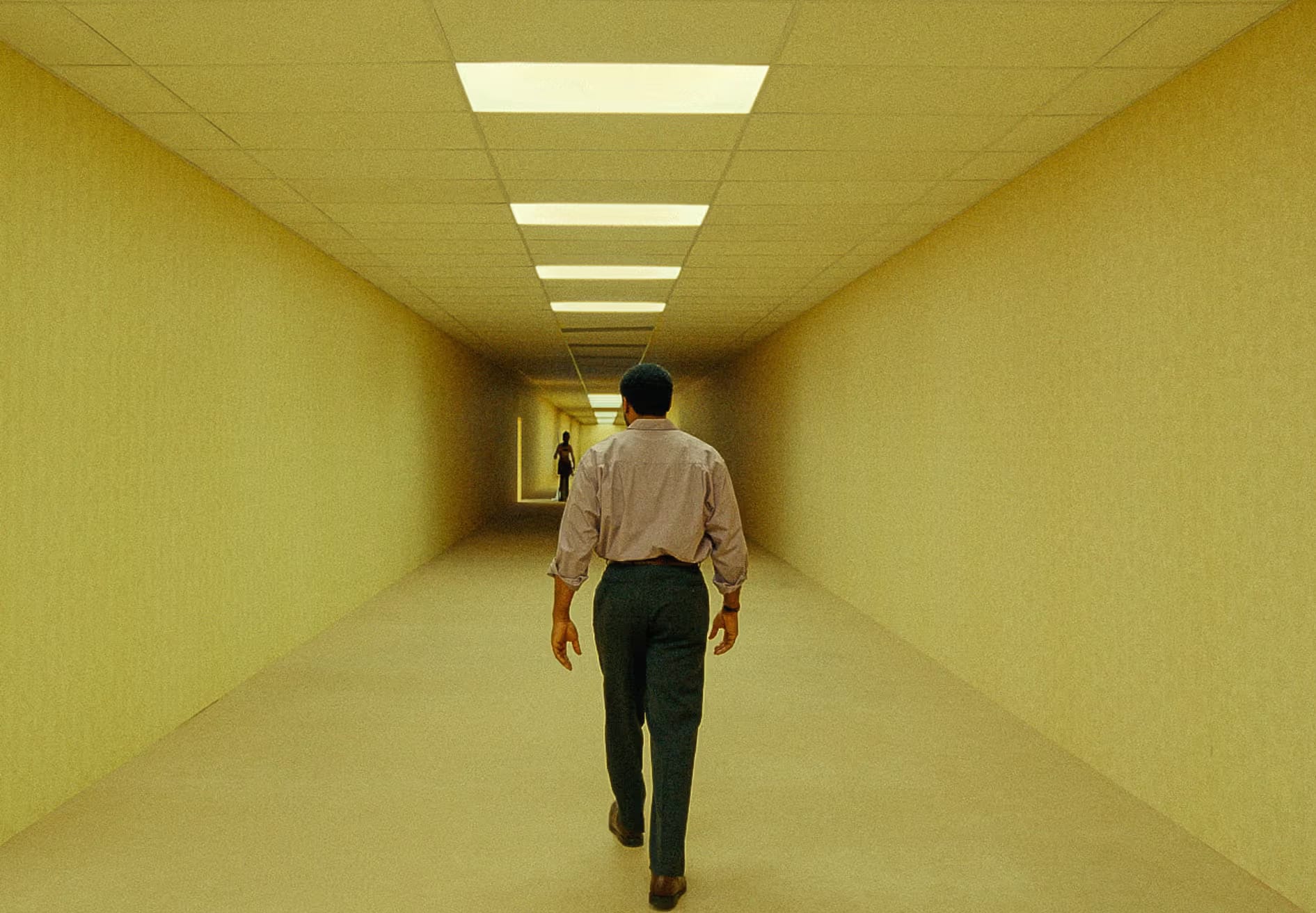
Backrooms (dir. Kane Parsons)
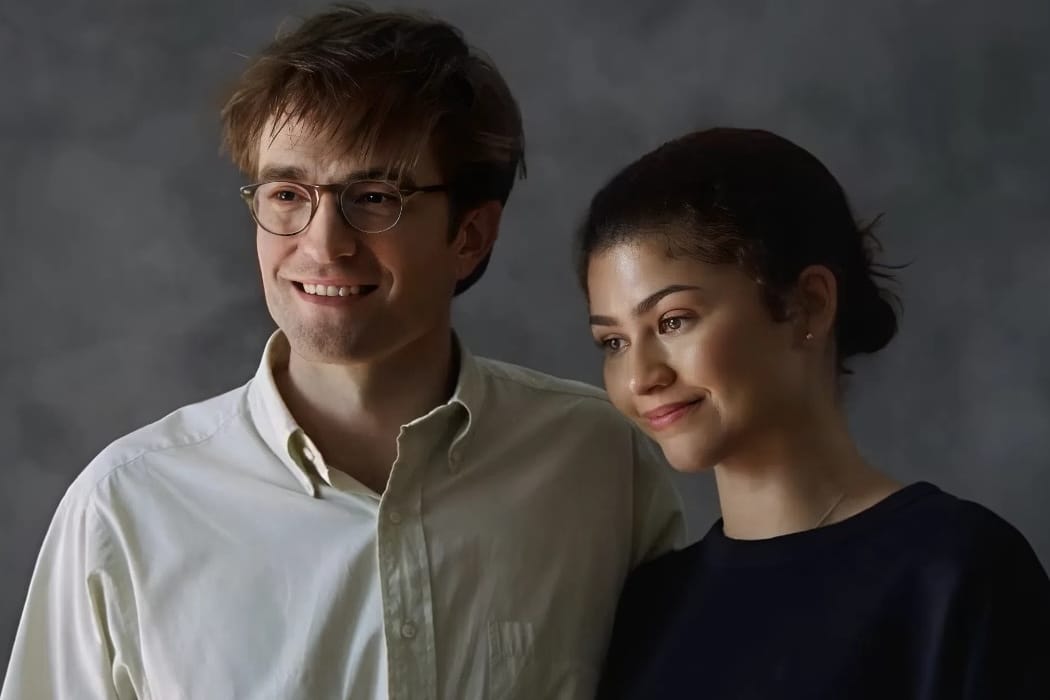
The Drama (dir. Kristoffer Borgli)
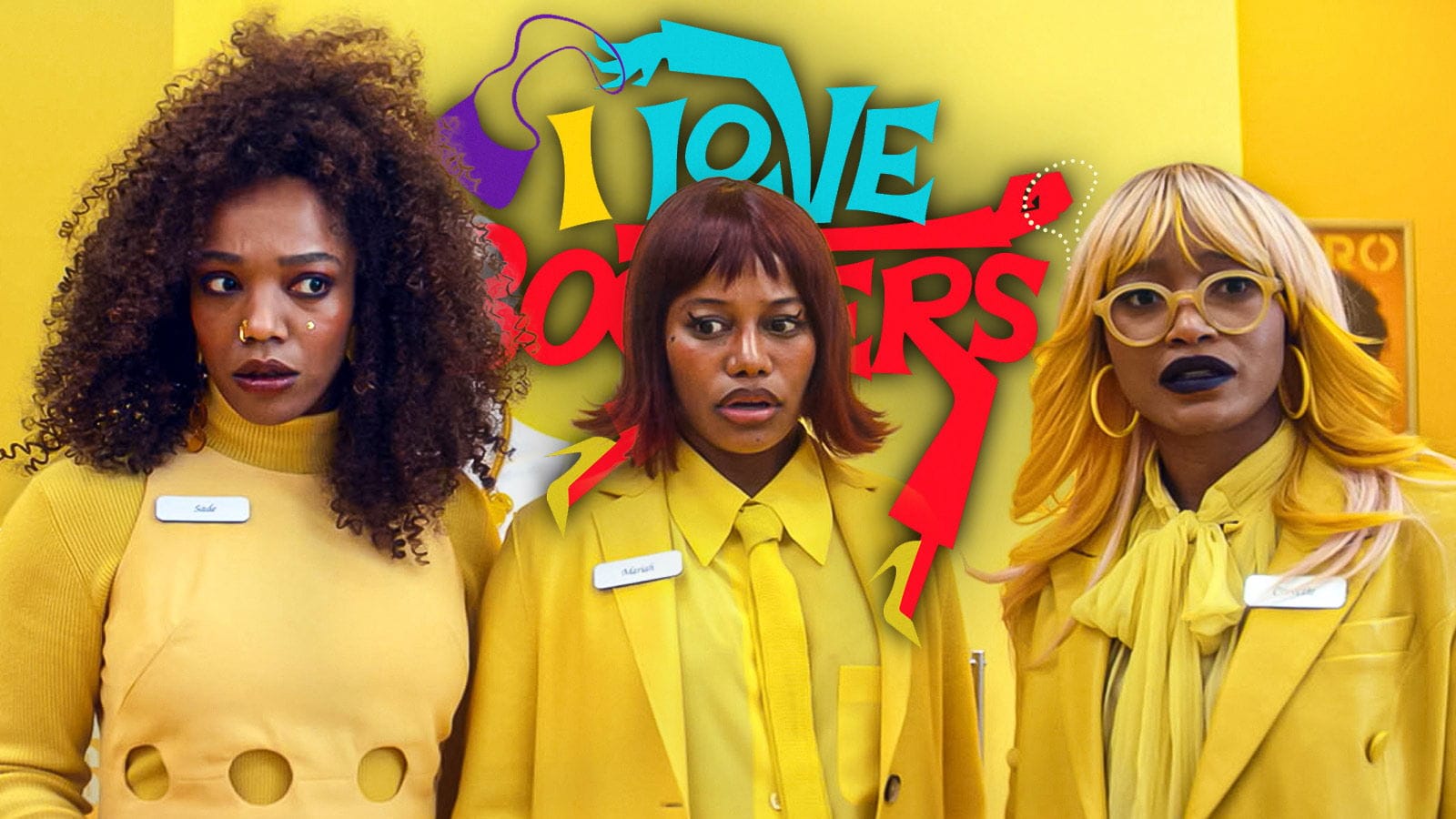
I Love Boosters (dir. Boots Riley)
Remake (dir. Ross McElwee)
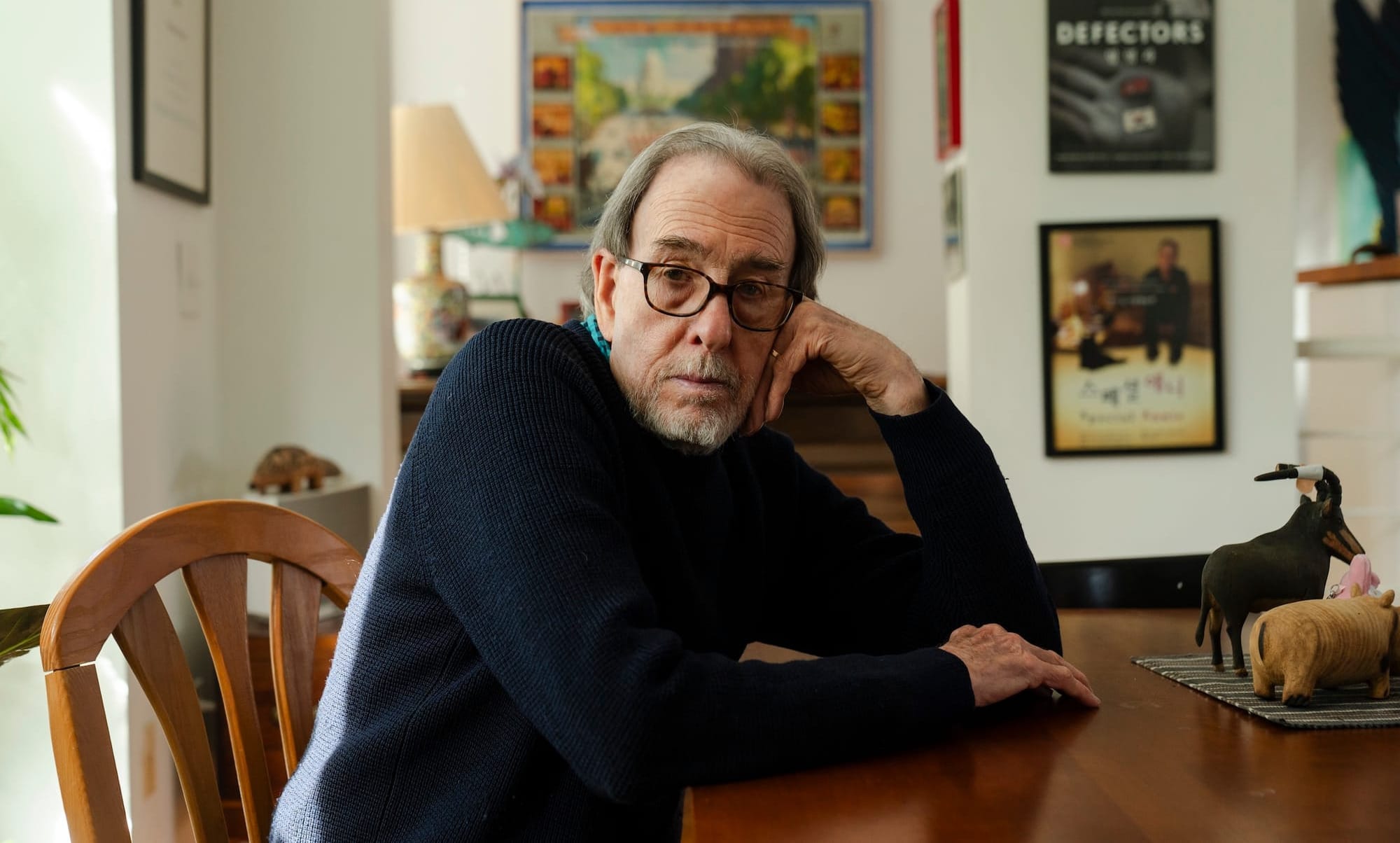
Miroirs No. 3 (dir. Christian Petzold)
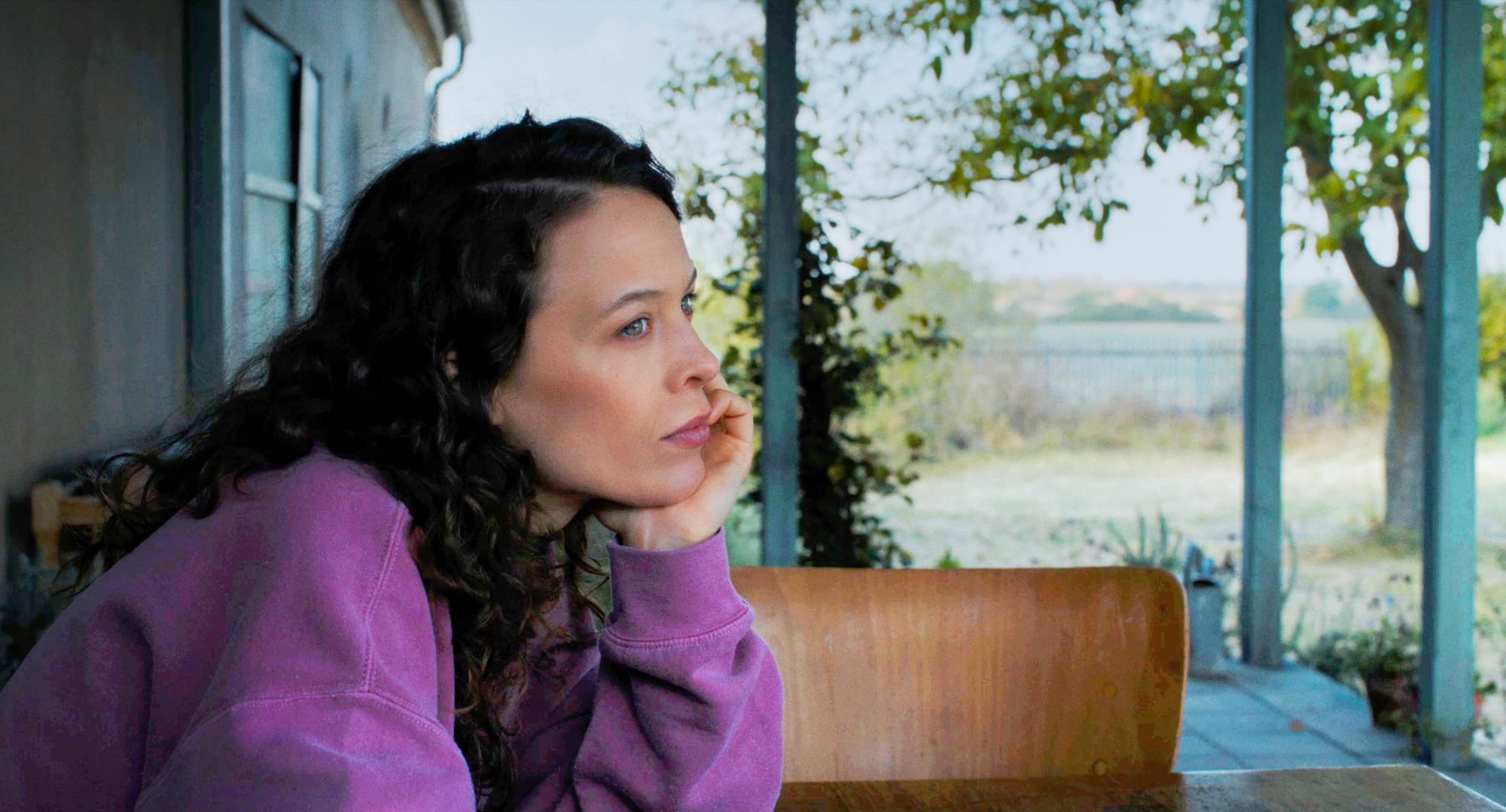
Evil Dead Burn (dir. Sébastien Vaniček)
The latest installment in the Evil Dead franchise burns bright with visceral brutality but forgets to bring a soul along for the ride. Maybe they’ve all been swallowed? The Evil Dead franchise has always walked a razor's edge between horror and humor, between visceral terror and gleeful absurdity. It's what made Sam Raimi's original trilogy so enduring—the willingness to be both genuinely frightening and utterly ridiculous, often in the same scene. Unfortunately, Evil Dead Burn, the latest entry directed by Sébastien Vaniček, forgets this essential formula entirely, delivering a film that's brutally violent but hollow.
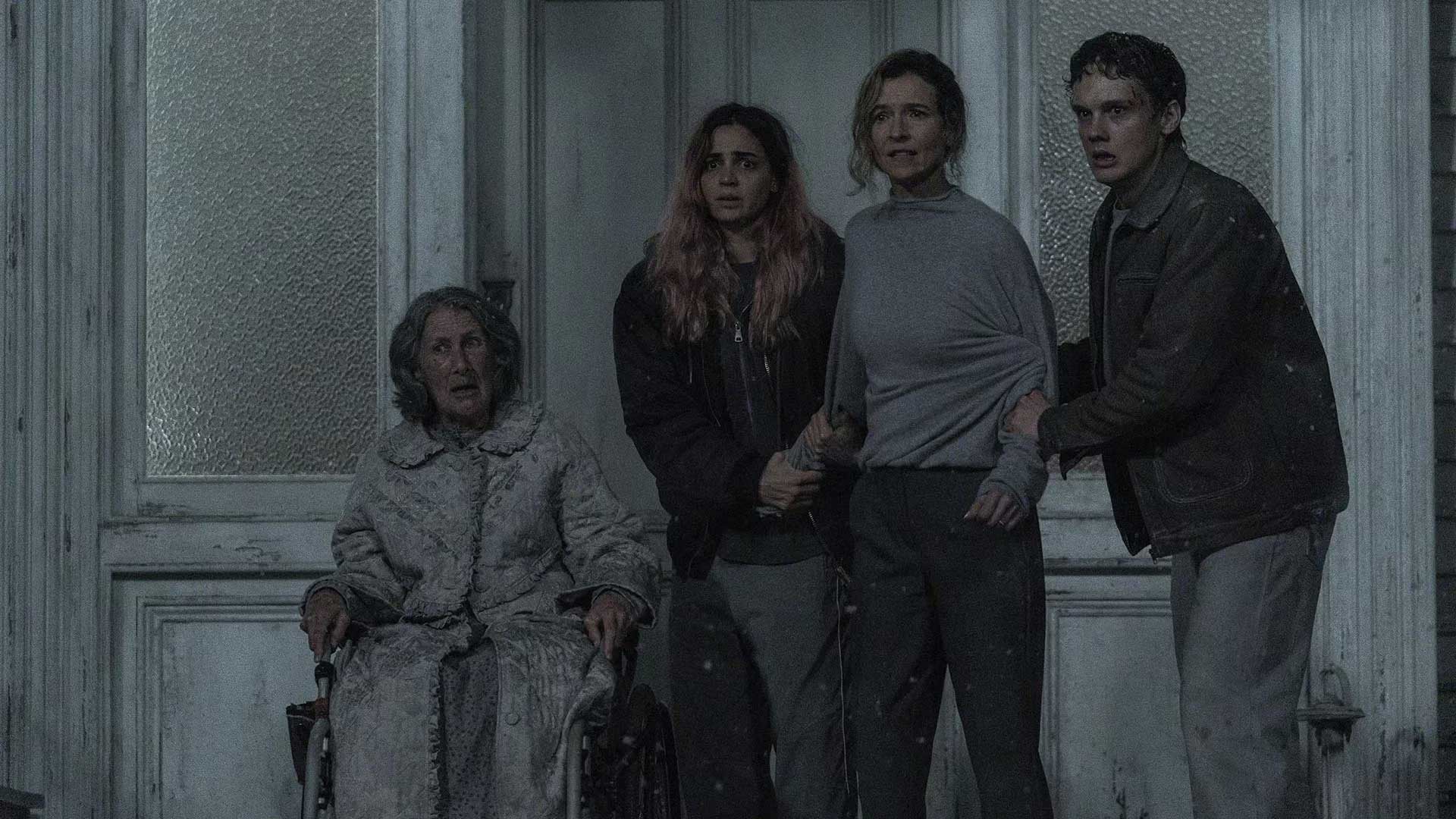
Alice (Souheila Yacoub), a French widow, finds herself trapped with her hostile in-laws at their rural family home when the Necronomicon awakens the Deadites once again. Her late husband Will was abusive, and his family—including bitter mother Susan (Tandi Wright), cold father Edgar (Erroll Shand), and dementia-addled grandmother Polly (Maude Davey)—clearly blame Alice for his death. When the supernatural carnage begins, family tensions explode alongside the gore.
On paper, using domestic violence as the thematic backbone for a Deadite invasion could work. Fede Álvarez's 2013 Evil Dead successfully externalized addiction through demonic possession and a remarkable lead performance from the great Jane Levy. But Vaniček's script, co-written with Florent Bernard, never earns the emotional weight it's reaching for. The domestic trauma feels like window dressing rather than the beating heart of the story. We're told Alice suffered, but we never truly feel it. The characters remain frustratingly thin—archetypes rather than people—which makes it impossible to care when they're inevitably torn apart.
And torn apart they are. Make no mistake: Evil Dead Burn is relentlessly, exhaustingly violent to where it's clear where the priorities are: shocking you to an extreme that recalls the work of French horror. Vaniček stages the carnage with technical proficiency, and the practical effects are undeniably impressive. Bodies are mutilated in increasingly creative ways. Blood flows in rivers. The sound design makes every stab, crack, and squelch viscerally uncomfortable. If your only metric for an Evil Dead movie is "how much gore can they pack in," this delivers in spades.
Spectacle without substance grows tedious quickly. Despite a morbid curiosity to what gross image they will conjure up next, it’s hard when you lack any investment in what’s taking place. By the time the film reaches its overlong climax—which borrows far too heavily from Álvarez's 2013 film—the violence has become numbing rather than shocking. It's carnage for carnage's sake, a checklist of body parts to destroy rather than a story with stakes we care about.
What's most frustrating is how completely Evil Dead Burn abandons the franchise's signature dark humor. There are half-hearted attempts at comedy through Grandma Polly ascending up the stairs, but they fall flat, often veering into uncomfortable territory around her dementia and casual racism. The Deadites themselves lack personality—they're just vessels for violence rather than the gleefully malevolent tricksters of earlier films. There's no joy here, no mischievous energy, no moment where you can't help but laugh at the sheer audacity (or absurdity) of what you're watching.
Souheila Yacoub does her best with underwritten material, bringing genuine commitment to Alice's suffering. She deserves better than a script that treats her character's trauma as mere motivation for survival rather than something worth exploring. The rest of the cast is serviceable but forgettable, with no one approaching the charisma Bruce Campbell brought to Ash or the intensity Alyssa Sutherland delivered in Evil Dead Rise.
Vaniček proved with Infested that he can craft tense, claustrophobic horror. Here, he demonstrates technical skill in staging violence but shows little interest in the personality that makes Evil Dead special. Strip away the Necronomicon and the Deadites, and this could be any generic supernatural horror film—competent but soulless. The unwelcome sight of a CGI Deadite summed up everything that is wrong about contemporary takes on this franchise.
The Evil Dead franchise has thrived by inviting distinctive filmmakers to leave their mark while honoring what made the original special. Evil Dead Burn gets half of that equation right. It's violent, it's technically accomplished, and it will satisfy gore-hounds looking for their next fix. But it's missing the twisted glee, the ridiculous comedy, and most importantly, the unexpected humanity that elevated even the most outrageous moments of Raimi's original trilogy. I cared about Ash and his survival; these newer installments, I honestly don't care what happens.
By the time the credits roll you'll have witnessed some truly brutal imagery. But you won't have experienced anything that lingers beyond the shock value. Evil Dead Burn is a film so focused on making you squirm that it forgets to make you care. It's the least affecting entry in the series: a film that burns fiercely in the moment but leaves surprisingly little behind once the flames die down.
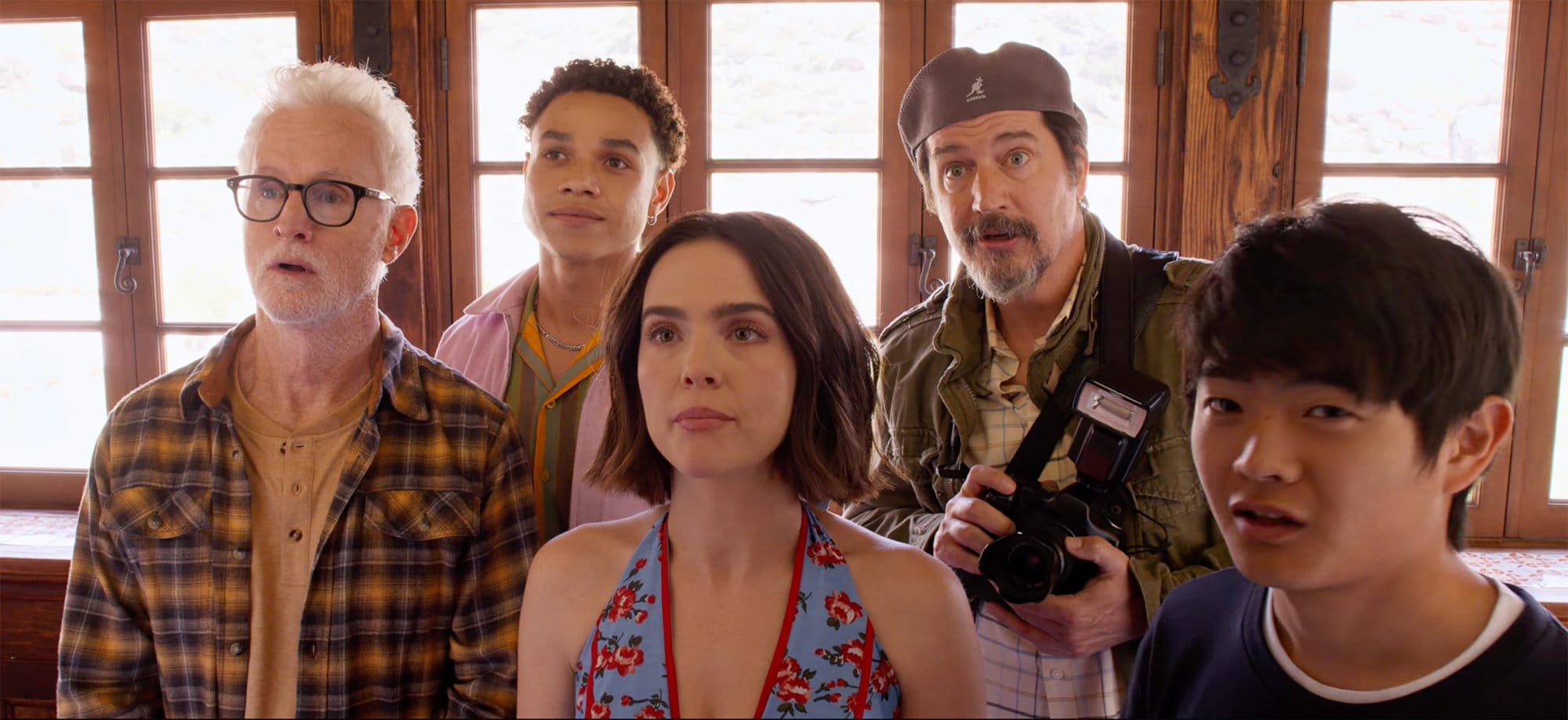
Gail Daugherty and the Celebrity Sex Pass (2026) (dir. David Wain)
It brings me little joy to write the words "disappointment" when it comes to a new film from my favorite comedy filmmaker working today. I can't deny the fact that despite David Wain's latest being on the lower end of my ranking of his work, it still has plenty of laughs and surprises to warrant a mild recommendation. Initial reviews had me worried that this would be a total flop but that's not the case. That being said, this might be the first of Wain's films I don't have a strong desire to revisit.
Essentially, this is Wain and co-star/co-writer Ken Marino's take on the hero's journey, only this time involving a skewering of Hollywood, the premise shows promise right from the start. When small-town Kansas hairdresser Gail Daughtry (the delightful Zoey Deutch) discovers her fiancé Tom has actually slept with his "celebrity sex pass" Jennifer Aniston, she does what any reasonable person would do: heads to Los Angeles to even the score by sleeping with Jon Hamm. What follows is a loose, unofficial remake of The Wizard of Oz filtered through the sensibilities of Wet Hot American Summer and sprinkled with the chaotic, frantic energy of a Harold & Kumar movie.
Deutch is the film's MVP, effortlessly balancing sweetness and determination while making the pursuit of revenge sex with Jon Hamm feel oddly relatable and understandable. She has proven her comedic chops time and time again, and here she leans fully into the absurdity, delivering moments of surprising crassness and even brutal violence that catch you completely off guard.
The supporting cast is game for anything. Ben Wang, Miles Gutierrez-Riley, and Ken Marino have wonderful chemistry as Gail's ragtag companions (standing in for the Scarecrow, Tin Man, and Cowardly Lion), while John Slattery steals scenes as a washed-up version of himself who can't get work after Mad Men. The celebrity cameos—from Hamm and Aniston to Weird Al Yankovic and Henry Winkler—add to the film's scrappy, anything-goes energy.
That being said, when anything-goes, that doesn't mean everything lands. Scenes barely get a chance to breathe but that's also where Wain has excelled in the past, finding the right blend of offbeat comedic timing to land somewhere between The Zucker Bros and the extended set-piece style of Jerry Lewis. Here though, I often wished scenes weren't cut off so quickly and a rather tired subplot involving the mob and a misplaced briefcase is right out of Dumb & Dumber but perhaps that was also an intentional point of parody.
When the jokes land, they really land in ways that solidify my feelings that Wain is the best comedy director working today. Wain and co-writer Marino pack the film with rapid-fire gags, and the hit rate is high enough to keep you laughing especially during unexpected moments of random absurdity (personally that's what makes me laugh the most and always has since I was young). The Wizard of Oz parallels are cleverly woven throughout, from Gail's red shoes to the Hollywood Walk of Fame standing in for the Yellow Brick Road. Not to mention Hamm's final appearance and transportation of choice towards the conclusion.
The film throws everything at the wall, and while enough sticks to warrant a recommendation, there are stretches where the humor falls flat. The Italian mobster subplot involving Sabrina Impacciatore feels tacked on and never quite gels with the rest of the story, even if it does provide some third-act urgency. At 93 minutes, the film is mercifully short, but the loose structure—reportedly written during a seven-day binge session—shows. It's more a collection of funny scenes than a cohesive narrative, which works until it doesn't. But I also can't deny the smile rarely left my face, I just have higher expectations due to my love of Wain.
Gail Daughtry and the Celebrity Sex Pass is aggressively silly, sporadically hilarious, and frequently baffling. It's the kind of movie that makes you wonder "How did this get made?" while simultaneously making you laugh. Wain and Marino know their lane—absurdist, offbeat comedy that doesn't take itself seriously—and they stay in it, even when the road gets bumpy. Though I also can't help but wonder if the absence of compadre Michael Showalter keeps it from being upper tier comedy that I go back to time and time again due to their collaboration.
This isn't Wet Hot American Summer or They Came Together, but it's funnier than most contemporary comedies, and that counts for something. I just hoped for more than what was given, putting this more in the category of The Ten (another hit and miss though occasionally brilliant comedy). If you're a fan of Wain's particular brand of stupid-smart humor or prolonged penchant for sight gags, you'll find plenty to enjoy. Everyone else might want to get high first.
The Invite (2026) (dir. Olivia Wilde)
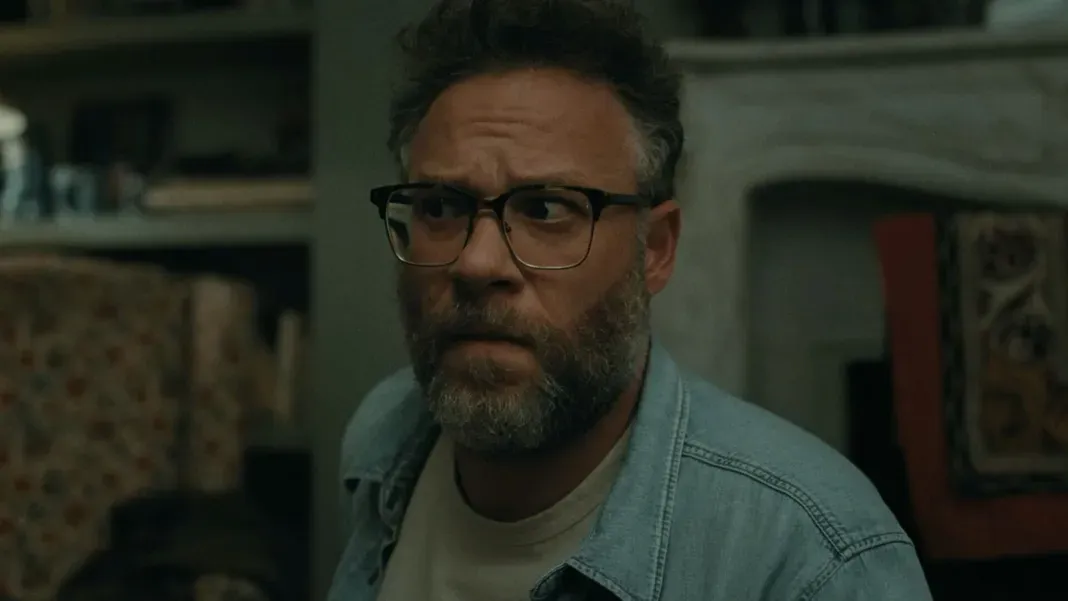
Olivia Wilde's The Invite is the kind of sharp, sophisticated adult dramedy that feels like a breath of fresh air in today's blockbuster-dominated landscape. Particularly because it’s short, simple and manages to provide a lot to think about when it comes to controlling anxiety while handling social interactions with people very different than you are. After the turbulent reception of the underwhelming Don't Worry Darling, Wilde has returned with a film that showcases her directorial prowess in the most intimate setting imaginable: a single apartment over the course of one increasingly cringy evening. Think of this as Larry David’s Who’s Afraid of Virginia Woolf. It's a movie about how difficult is to communicate with both those you are closest to (in terms of relationships) and those who live upstairs that you're just getting to know for the very first time.
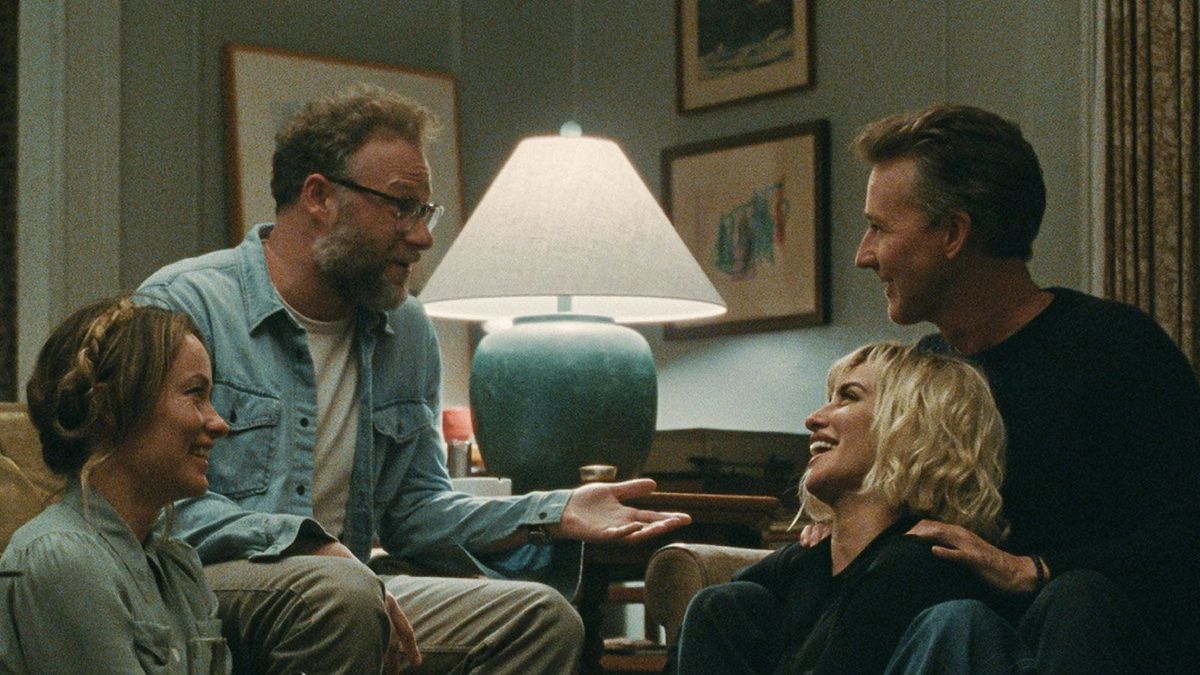
Adapted from Cesc Gay's 2020 Spanish film The People Upstairs, with a screenplay by Rashida Jones and Will McCormack, The Invite follows married couple Joe (Seth Rogen) and Angela (Wilde) as they host their upstairs neighbors Hawk (Edward Norton) and Piña (Penélope Cruz) for what begins as a simple dinner party and evolves into something far more provocative and revealing.
From the opening moments, Wilde establishes the fractured state of Joe and Angela's marriage with remarkable efficiency. The bickering flows thick and fast, each barbed comment revealing years of accumulated resentment. Rogen, continuing to prove his dramatic range, plays Joe as a cynical music teacher whose failed dreams have curdled into constant negativity. Wilde gives herself the role of Angela, a neurotic stay-at-home mom desperate to control every detail of the evening, and she's absolutely brilliant—channeling Diane Keaton (to whom the film is dedicated) with her anxious energy and vulnerable physicality.
When Norton and Cruz arrive as the seemingly perfect couple from upstairs, the contrast couldn't be starker. They're elegant, sexually liberated, and maddeningly self-assured. What follows is a masterclass in cringe comedy and emotional excavation, as the evening spirals through revelations, propositions, and confrontations that force all four characters to examine what they really want from their relationships.
Wilde's direction is confident and purposeful. Working with cinematographer Adam Newport-Berra, she transforms the apartment into an emotional pressure cooker, using mirrors, doorways, and the open-plan layout to create a sense that there's nowhere to hide. The camera placement feels both voyeuristic and intimate, pulling us into private moments we perhaps shouldn't be witnessing. I should add that Olivia Wilde and cinematographer Adam Newport-Berra opted to shoot on 35mm. This adds much image warmth and intimacy in a way that's "inviting". The overlapping dialogue and careful blocking give the film a natural flow that never feels stagey, despite theatrical origins.
The ensemble cast is firing on all cylinders. Rogen delivers one of his most mature performances, draining his usual charm and replacing it with bitter humor that's both detestable and oddly sympathetic. Norton is effortlessly charismatic as the almost-too-nice Hawk, while Cruz is absolutely magnetic—seductive, commanding, and hilarious in equal measure. There's a scene where she sings Sade's "By Your Side" that's simultaneously the funniest and sexiest moment in cinema this year.
Jones and McCormack's script is wickedly smart, mining comedy from every marital fault line while never losing sight of the genuine pain underneath. The dialogue crackles with wit, but it's the quieter moments—the glances, the silences, the small gestures of connection or disconnection—that give the film its emotional weight. By the time we reach the poignant final scene, these characters have been stripped bare, and we've come to care deeply about whether they can find their way back to each other.
The Invite is that rare thing: a smart, well-observed adult movie that will make you laugh and squirm in your seat in recognition of awkward relationship dynamics that you feel, rather than simply watch and experience on the screen. It's excruciatingly entertaining, blisteringly funny, and surprisingly moving in its final image. Wilde has definitely delivered her best work yet, both behind and in front of the camera. This is the kind of sophisticated relationship drama Hollywood has been missing, and it deserves to be seen—preferably with a date, so you can have your own uncomfortable discussion right afterward.
Night Nurse (2026) (dir. Georgia Bernstein)
Georgia Bernstein's feature debut Night Nurse is the kind of film that announces a filmmaker with a distinct vision—even if that vision doesn't always translate into a fully satisfying narrative experience. This atmospheric erotic thriller, which premiered at Sundance in January before its July theatrical release via IFC Films, is audacious, unsettling, and frustratingly opaque in equal measure.
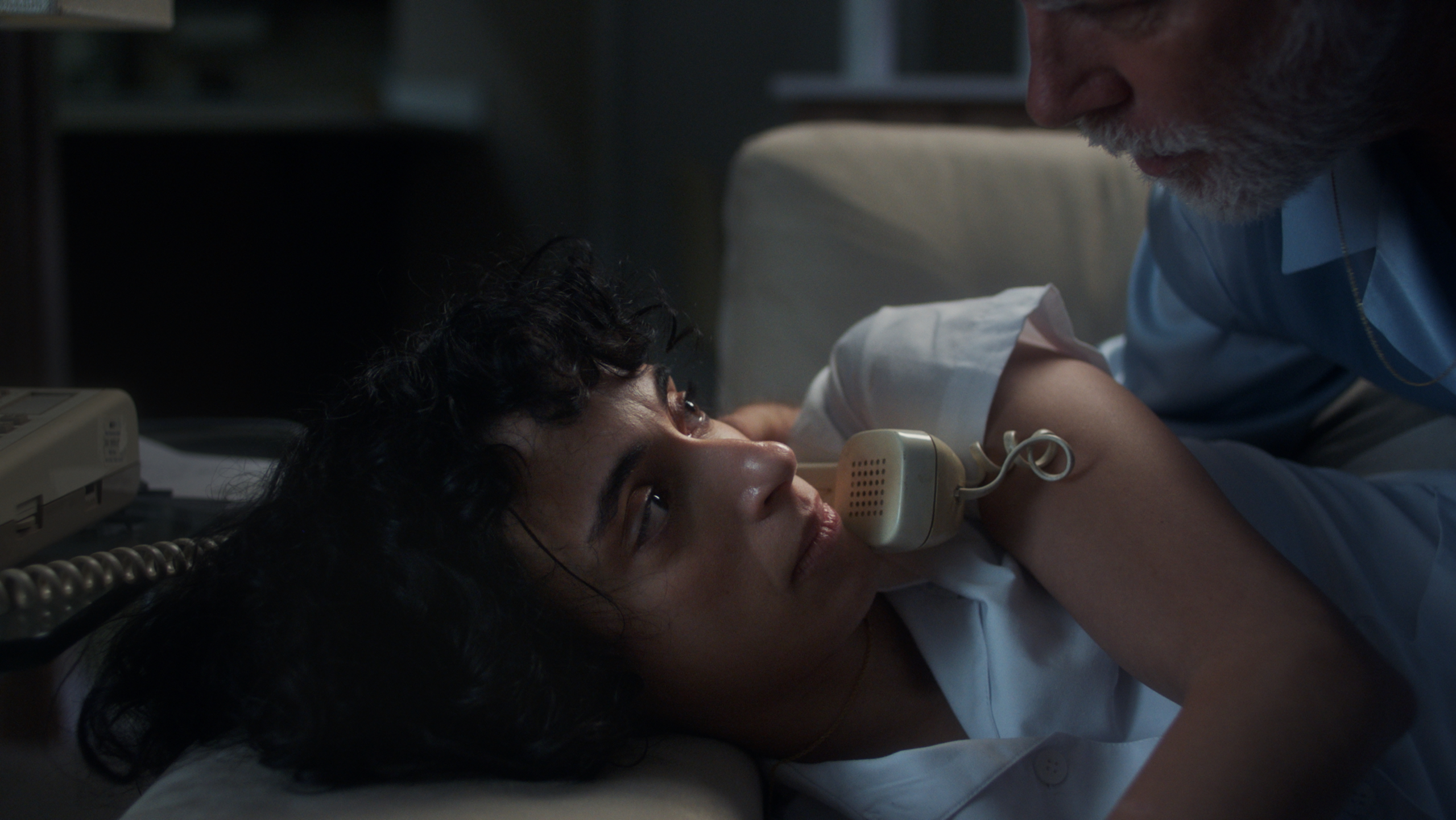
The film follows Eleni (Cemre Paksoy, in an excellent performance), a withdrawn night nurse starting fresh at a retirement community after being fired from her previous position under murky circumstances involving "possibly inappropriate misconduct." When asked what she does for fun, Eleni politely insists she doesn't do anything outside of work—caring for her patients is pastime enough. It's an answer that, paired with the intensity of her stare, immediately establishes her as someone fundamentally unknowable.
Eleni is assigned to care for Douglas (Bruce McKenzie), an elderly patient with a mischievous twinkle in his piercingly blue eyes and what may or may not be genuine cognitive impairment. What begins as a standard caregiver relationship quickly curdles into something far more disturbing. Douglas reveals himself to be a grifter running phone scams on elderly widowers, convincing them their granddaughters have been in terrible accidents and fleecing them for thousands. He coaxes Eleni into participating, and she doesn't just comply—she becomes addicted to it, craving both the con and Douglas's attention with equal fervor.
Bernstein, who has cited Catherine Breillat as a personal hero, transforms the sterile environment of the retirement community—its lukewarm wading pools, assiduously selected houseplants, and neatly ironed uniforms—into a hotbed of secretiveness and scheming. Cinematographer Lidia Nikonova's shadowy, closeup-heavy work gives the film an ominous, dreamlike quality, while Steven Jackson and Sam Clapp's piano-forward score trembles with haunted-house creakiness. The atmosphere is suffocating in the best possible way.
Night Nurse distinguishes itself from typical erotic thrillers in its approach to eroticism itself. Unlike the Adrian Lyne or Brian De Palma films it might superficially resemble, Bernstein's movie contains virtually no sex scenes. Douglas rebuffs Eleni's advances, seeming annoyed rather than aroused by her desire. Yet the film feels uncomfortably, undeniably erotic—not through physical intimacy, but through the subservience inherent in caregiving taken to its most pathological extreme. Bernstein explores how the act of caring for another person, typically seen as noble and altruistic, can become twisted, self-serving, and self-destructive.
The problem is that Bernstein keeps both Eleni and Douglas almost completely opaque. We never learn why Eleni is so transfixed by this unpleasant man, why she's so willing to participate in his schemes, or what psychological wounds drive her behavior. Paksoy does remarkable work conveying Eleni's troubled interior through largely non-verbal performance, and McKenzie is appropriately creepy and uncomfortably seductive. But the film's refusal to provide any insight into its protagonist's motivations makes it difficult to emotionally invest in her journey.
This opacity works in a short film or as the logic of a fever dream, but at feature length, it tests patience. An enthralling, mysterious first act gives way to a narrative that never commits fully to being either a perverse horror movie or a perverse erotic thriller. It's a little bit of both, but neither very committal nor very convincing. There's no real emotional pull to hitch yourself to, no sense of consequence that feels earned. Even if there's no denying an interest in what becomes of this entire narrative thread.
That said, there's something admirable about Bernstein's conviction and self-restraint. Night Nurse has the audacity to be proudly odd, to shirk expectations, and to show conspicuous lack of worry about ungenerous interpretations. It's a calling card that establishes Bernstein as a subversive filmmaker worth watching, even if this particular film doesn't entirely connect. The comparisons to David Cronenberg, David Lynch, Atom Egoyan are accurate when applied to her eerie, airless style—less so to the emotional limitations of her substance.
In transforming caregiving into something twisted and unsettling, Bernstein has created something genuinely unique. Night Nurse won't be a crowdpleaser, and its mean-spirited premise—elderly people being scammed is, after all, a real and shameful problem—which may leave some viewers cold. But for those willing to see it on its own strange, intriguing terms, there's something compelling about a debut that is willing to be difficult, this committed to its own peculiar vision. And of course, this makes me anticipate whatever is next to come from Bernstein too.
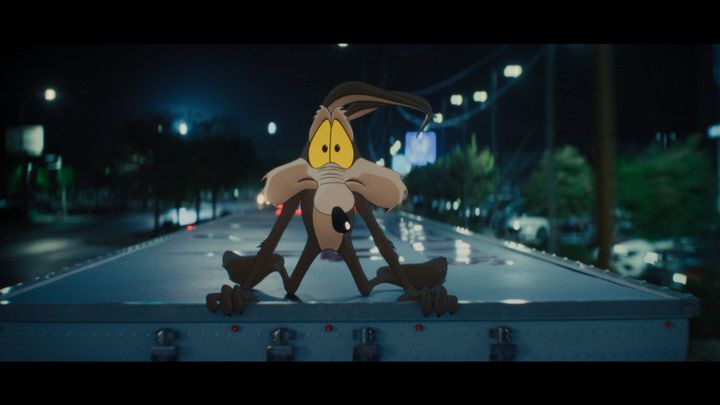
Can't wait for this coming out soon too! You may have heard of it??
STAY TUNED FOR MORE TO COME IN A COUPLE OF WEEKS! THANK YOU FOR THE SUPPORT, SUBSCRIPTIONS AND YOUR KIND WORDS TOO 😄
Comments ()